Tuesday, July 9, 2024

How to Use Grow Lights for Succulents: Boost Growth Indoors

Place the grow lights 6-12 inches above the succulents. Ensure they receive 12-14 hours of light daily.

Using grow lights for succulents can ensure they thrive indoors. Natural sunlight may not always be sufficient, especially during winter or in shaded areas. Grow lights provide the necessary light spectrum that succulents need for photosynthesis. LED grow lights are energy-efficient and emit the right wavelengths.

Positioning the lights correctly and maintaining a consistent schedule can promote healthy growth. It's crucial to monitor the distance to avoid burning the plants. Proper use of grow lights can replicate natural sunlight, helping succulents maintain their vibrant colors and robust structure. This method is essential for indoor gardeners seeking to keep their succulents healthy year-round.

Grow Lights

Grow lights are artificial light sources. They help plants grow indoors. These lights mimic natural sunlight. They provide the right light spectrum for plant growth. Many types of grow lights exist. Each type serves different plant needs.

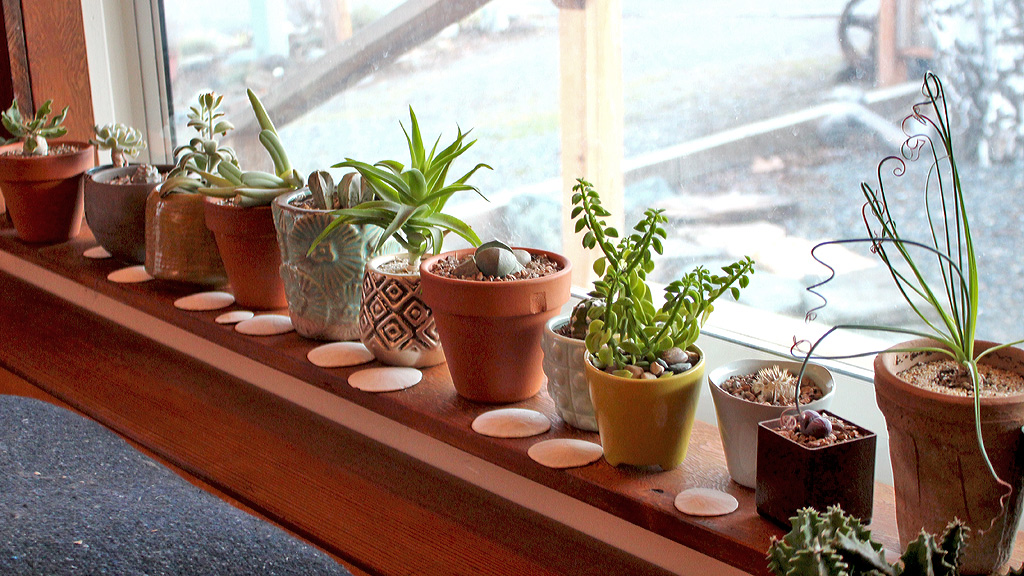
Succulents need lots of light. They thrive in bright conditions. Winter days are short. Indoor light is often not enough. Grow lights solve this problem. They provide extra light. This helps succulents stay healthy. They prevent plants from stretching and becoming weak.

How to Use Grow Lights for Succulents: Boost Growth Indoors


Types Of Grow Lights

Different types of grow lights, such as LED, fluorescent, and incandescent, cater to the specific needs of succulents. Each type offers unique benefits, ensuring optimal growth and vibrant colors for your plants.

Led Grow Lights

LED grow lights are energy-efficient. They last a long time and produce less heat. This makes them safe for succulents. They are also customizable. You can choose the color spectrum needed. Many gardeners prefer LED grow lights for their versatility.

Fluorescent Grow Lights

Fluorescent grow lights are also efficient. They are cheaper than LED lights. They emit a cool light. This helps prevent succulent leaves from burning. T5 and T8 bulbs are popular choices. These lights are good for small indoor gardens.

Incandescent Grow Lights

Incandescent grow lights are not ideal for succulents. They produce a lot of heat. This can harm the plants. They are also less efficient. These lights use more electricity. Most gardeners avoid incandescent lights for growing succulents.

Choosing The Right Grow Light

Succulents need a full spectrum of light. Blue light helps in growing leaves. Red light aids in blooming. A mix of both is ideal.

Succulents thrive under moderate to high light intensity. A light with 15-40 watts is usually enough. Make sure not to burn the plants.

Choose a light that covers all your plants. Measure the area before buying. Larger setups may need multiple lights.

Setting Up Grow Lights

Place grow lights above the succulents. Ensure they cover all plants evenly. Avoid shadows by adjusting the angle.

Keep lights 6 to 12 inches away. Close distance ensures plants get enough light. Too close can burn leaves.

Use adjustable stands for flexibility. Hang lights from the ceiling for more space. Clip-on lamps work for small setups.

Light Schedules And Timing

Succulents need 12 to 14 hours of light daily. This ensures they grow strong and healthy. Use a timer to automate the light schedule. This will help maintain consistency.

Succulents require a balance of light and darkness. Ensure they get 10 to 12 hours of darkness each night. This mimics their natural environment. Proper cycles prevent stress and promote growth.

Adjust light duration as seasons change. In winter, succulents may need more light. In summer, they might need less. Monitor their growth and adapt accordingly.

How to Use Grow Lights for Succulents: Boost Growth Indoors


Monitoring Plant Health

Healthy succulents have vibrant colors and firm leaves. New leaves grow regularly. Plants look full and strong. No signs of wilting or discoloration.

Light stress causes yellowing leaves. Brown spots may appear. Leaves become soft and droopy. Plants may stretch and look leggy. Too much light can burn the leaves.

Move lights closer for more light. Move lights away for less light. Use a timer for consistent light periods. Rotate plants for even light distribution. Observe and adjust as needed.

Supplemental Care Tips

Grow lights can effectively support succulent growth indoors. Position lights 6-12 inches above plants for optimal results. Ensure a daily exposure of 12-16 hours for healthy, vibrant succulents.

Watering Needs

Succulents need water less often than other plants. Overwatering can harm them. Check the soil before watering. It should be dry. Water deeply but less frequently. Use a pot with drainage holes.

Fertilizing Succulents

Succulents need fertilizer during their growing season. Use a balanced, water-soluble fertilizer. Dilute the fertilizer to half strength. Fertilize once a month in spring and summer. Avoid fertilizing in winter.

Pest Control

Check succulents for pests regularly. Common pests include aphids and mealybugs. Use insecticidal soap to treat pests. Remove pests manually if possible. Keep the growing area clean to avoid infestations.
How to Use Grow Lights for Succulents: Boost Growth Indoors


Common Mistakes To Avoid

Succulents can get too much light. This can cause sunburn. Leaves may turn brown or white. It is important to give them a break from light.

Lights should not be too close to the plants. This can cause heat damage. Keep lights at a safe distance. Check the plant's response regularly.

Light is not the only thing succulents need. They also need water and nutrients. Soil quality is very important. Ensure proper drainage to avoid root rot.

Frequently Asked Questions

Can I Use A Grow Light For Succulents?

Yes, you can use a grow light for succulents. Choose full-spectrum LED lights for best results. Ensure 12-14 hours of light daily.

How Do You Stress Succulents With Grow Lights?

To stress succulents with grow lights, gradually increase light intensity and duration. Maintain proper distance to avoid burning.

How High Should Grow Lights Be Above Succulents?

Place grow lights 6 to 12 inches above succulents. Adjust height based on plant response and light intensity.

How Much Light For Indoor Succulents?

Indoor succulents need bright, indirect sunlight for 4-6 hours daily. Place them near south or east-facing windows. Rotate regularly.

Conclusion

Mastering grow lights can transform your succulent care routine. With the right setup, your plants will thrive indoors. Remember to adjust light intensity and duration for optimal growth. Experiment with different types of grow lights to find what works best.

Happy gardening!

Read More Article: What Color Grow Light for Cactus

Friday, July 5, 2024

Collinear Hoe Vs Stirrup Hoe: Best Weeding Tools

The collinear hoe is ideal for precision weeding, while the stirrup hoe is better for cutting weeds at the roots. Both tools serve specific purposes in garden maintenance.

Gardeners often debate the merits of collinear hoes versus stirrup hoes. Each type of hoe offers unique advantages for maintaining a weed-free garden. With its narrow blade, the collinear hoe excels in precision weeding and working in tight spaces. It allows gardeners to manoeuvre around plants without disturbing them.


On the other hand, the stirrup hoe features a looped blade that cuts weeds at the roots with a back-and-forth motion. This action makes it highly effective for larger areas and tougher weeds. Understanding their differences helps gardeners choose the right tool for their specific needs.


Weeding Tools


Weeding tools are essential for keeping gardens neat. They help remove unwanted plants. Two common types are the collinear hoe and the stirrup hoe. Each has its strengths and uses. Understanding these tools can make gardening more accessible and more enjoyable.


Good garden tools are essential. They help with plant health and garden beauty. Weeding tools keep unwanted plants away. A clean garden means healthy plants. Tools like hoes are easy to use. They save time and effort.


Weeding helps plants grow better. Weeds take nutrients from the soil. Removing weeds gives more food to your plants. Healthy plants need less care. A pleasing hoe makes weeding fun and easy.


Collinear Hoe Vs Stirrup Hoe: Best Weeding Tools


The Collinear Hoe


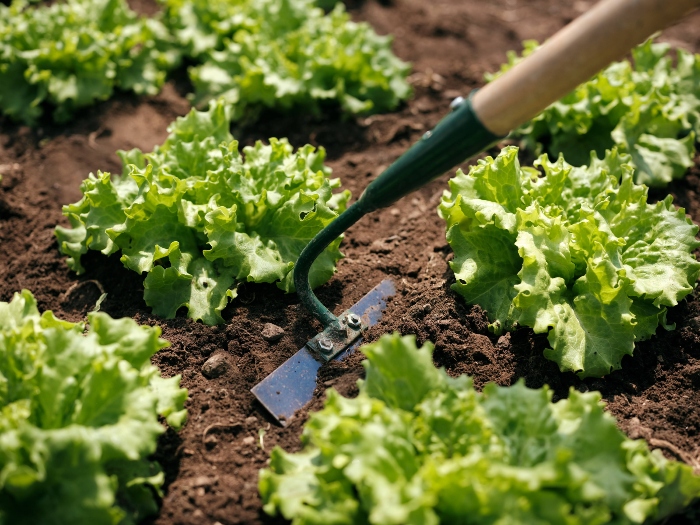
The collinear hoe has a long, thin blade set at a sharp angle. It is light and easy to handle. The blade cuts weeds by slicing just under the soil, disturbing the soil very little. The hoe is perfect for tight spaces between plants, raised beds, and narrow rows.


Gardeners love the collinear hoe for its precision. It makes weeding faster and easier, reduces strain on the back and arms, requires less effort than other tools, and helps keep the garden neat and tidy. The sharp blade stays effective for a long time, and maintenance is simple with a quick sharpen.


The Stirrup Hoe


The stirrup hoe has a loop-shaped blade that moves back and forth, cutting weeds at the root. The blade is also sharp on both edges, making cutting easier.


The stirrup hoe is lightweight. It is easy to use for long periods. The handle is usually long. This helps in reducing back strain. The tool is designed for precision.


Stirrup hoes are a powerhouse when it comes to weed removal. They cut weeds below the soil surface, preventing regrowth and ensuring a weed-free garden. The tool's design allows it to work well in tight spaces, reaching areas other hoes can't. This versatility and effectiveness make it a valuable addition to any gardener's toolkit.


Using a stirrup hoe is a game-changer in the weeding process, saving you both time and effort. It speeds up the weeding process, making it more efficient. The tool's effectiveness also reduces the need for chemicals, contributing to a healthier environment. This time-saving and eco-friendly approach to weeding is a win-win for any gardener.


Collinear Hoe Vs Stirrup Hoe: Best Weeding Tools


Comparing Ergonomics


The collinear hoe is light and easy to handle. It glides smoothly over the soil, making it perfect for precision weeding. The stirrup hoe has a push-pull motion, which can be faster. Both tools are simple to use. Kids and adults can use them without trouble.


The collinear hoe reduces strain by allowing an upright posture. Its design helps avoid back pain. The stirrup hoe also reduces strain, especially on the arms. Its motion is less tiring. Both hoes help make gardening work easier.


Blade Quality And Maintenance


Collinear hoes feature razor-sharp blades ideal for precision weeding, while stirrup hoes offer durability and easy maintenance. Regular sharpening ensures optimal performance for both tools.


Materials And Durability


The blade of a collinear hoe is often made of steel. This material ensures long-lasting sharpness. A stirrup hoe usually has a stainless steel blade. This material is rust-resistant. Both tools are durable but need regular maintenance to stay effective.


Sharpening And Care


A collinear hoe requires frequent sharpening to maintain its edge. A whetstone works well for this task. A stirrup hoe also needs sharpening, but less often. It's best to use a file for this. Always clean the blades after use to prevent rust. Store the tools in a dry place to extend their life.


Efficiency In Different Soils


Collinear hoes excel in loose, sandy soils, providing precise weeding with minimal soil disturbance. Stirrup hoes, on the other hand, perform better in compacted or heavy soils, cutting through weeds with their oscillating motion. Both tools offer unique advantages depending on the soil type and gardening needs.


Performance In Clay


The collinear hoe performs well in clay soil. Its sharp blade slices through the clay easily. This hoe requires less effort from the gardener. The stirrup hoe struggles more in clay. Its oscillating blade can get stuck. It needs more force to move through the soil. This makes the collinear hoe a better choice for clay.


Handling Sandy Terrains


The stirrup hoe excels in sandy soil. Its oscillating action is perfect for loose soil, and it covers more area quickly. The collinear hoe is less effective in sand. It tends to push the sand around, making weeding harder. Thus, the stirrup hoe is better for sandy terrains.


Versatility And Function


Collinear hoes are great for shallow-rooted weeds and work well in tight spaces. Stirrup hoes, on the other hand, are better for deeper-rooted weeds and can cut weeds both push and pull. Both tools have unique strengths. Choosing the right one depends on your garden's needs.


Collinear hoes are perfect for precise weeding and light soil aeration. Stirrup hoes excel in heavy soil and are great for quick weeding in large areas. Both tools can handle different garden tasks, and each home has its particular uses.


User Experience And Reviews


Many gardeners love the collinear hoe. It is easy to use and very light, and they say it helps them work faster. They also like the stirrup hoe. It cuts weeds quickly and is very strong. Some people find it a bit heavy. Each tool has its fans. Some prefer the collinear hoe for small gardens, and others like the stirrup hoe for big areas.


Experts recommend both tools. The collinear hoe is great for tight spaces and detailed work, while the stirrup hoe is better for large fields and can handle tough weeds easily. Both tools are helpful. Choose the one that fits your needs. Professionals use both in their work.


Investment Considerations


A collinear hoe costs less is excellent for light weeding and is easy to use. A stirrup hoe is more expensive but can handle tougher weeds and save time in the long run. Both tools have pros and cons. Choose the right one for your needs.


The collinear hoe may wear out faster. It needs frequent replacements. The stirrup hoe is durable. It lasts longer. Less frequent replacements save money. Always check for quality before buying. A good tool lasts many years.


Frequently Asked Questions


What Kind Of Hoe Is Best For Weeding?


A stirrup hoe is best for weeding. It easily cuts weeds at the roots and works well in tight spaces.


What Is A Collinear Hoe?


A collinear hoe is a gardening tool designed for weeding. Its long, narrow blade slices through soil efficiently.


Is A Stirrup Hoe The Same As A Loop Hoe?


Yes, a stirrup hoe is the same as a loop hoe. Both have a loop-shaped blade for weeding.


What Is A Stirrup Hoe Used For?


A stirrup hoe is used for weeding. It cuts weeds just below the soil surface. This helps maintain garden beds.


Conclusion


Choosing between a collinear hoe and a stirrup hoe depends on your gardening needs. Both tools offer unique benefits. The collinear hoe excels in precision weeding, while the stirrup hoe excels in larger areas. Evaluate your garden's requirements to make the best choice.

Happy gardening!


You May Read Also:  How to Use a Stirrup Hoe

How to Kill Spurge Weed – Easy Steps for a Clean, Healthy Garden

 If you’ve ever walked into your garden and seen tiny green plants spreading low on the soil, chances are you’ve met spurge weed . It looks ...