The home and garden are dedicated to improving and beautifying living spaces inside and out. This niche contains home essentials, lawn care and landscaping advice, and gardening techniques. It aims to help individuals create attractive, functional, and personalized environments, enhancing their homes and outdoor areas. Whether maintaining a lush lawn, cultivating a garden, or embarking on a DIY project, this niche provides valuable insights and inspiration to elevate your living spaces.
Christmas Decorations In The USA: Ideas For Every Home
Get link
Facebook
X
Pinterest
Email
Other Apps
-
Christmas decorations in the USA often combine decorated trees, warm indoor lights, wreaths, festive porches, and colorful outdoor displays. The best approach is to choose a style that fits your home, local climate, budget, and holiday traditions.
Across the United States, Christmas decorating can transform a simple home into a warm, festive space. In snowy New England towns, evergreen wreaths and soft white lights suit the winter landscape. In Southern neighborhoods, bright porch displays, red bows, and glowing palm trees may bring the same holiday cheer without a blanket of snow. In cities and suburbs alike, decorations often reflect both family traditions and the character of the home.
There is no single look that defines American Christmas decor. Some households favor classic red and green, while others use natural wood, white lights, metallic ornaments, or handmade crafts. Outdoor displays may range from a simple wreath and a strand of lights to carefully planned scenes across a front lawn. A thoughtful design starts with a few clear choices rather than filling every corner with decorations.
This guide explores popular Christmas decorations in the USA, practical ways to decorate indoor and outdoor spaces, regional ideas, and steps for keeping displays safe. It also covers budget planning, sustainable choices, and ways to make a home feel festive without buying a large collection of new items. The aim is to help you create a welcoming holiday setting that feels personal and works for your space.
Source: c8.alamy.com
What Makes Christmas Decorations in the USA Distinctive?
Christmas decorations in the United States reflect a mix of family customs, regional influences, religious traditions, and popular culture. Evergreen trees, wreaths, stockings, lights, and wrapped gifts are familiar sights in many homes. Yet each household can give these items a different look through color, materials, placement, and personal keepsakes.
The American approach often extends beyond the living room. Front doors, porches, windows, rooflines, mailboxes, and garden paths can all become part of a holiday display. Some neighborhoods coordinate modest lighting, while others feature large animated scenes or music-synchronized lights. These choices are personal, and elaborate displays are not required for a home to feel festive.
Many decorations also carry meaning. A handmade ornament may mark a child's first Christmas, while a wreath passed down through generations can remind a family of past celebrations. Combining these items with a few new accents gives a room a sense of continuity instead of making it look like a temporary showroom.
Source: assets.birminghamhomeandgarden.com
Classic American style
Red bows, green garlands, plaid ribbons, stockings, and warm white lights create a familiar holiday look.
Rustic and natural style
Pinecones, wood ornaments, dried orange slices, burlap ribbons, and evergreen branches add texture and a relaxed feel.
Modern holiday style
A restrained palette of white, silver, gold, or deep green can create a clean display with fewer objects.
Playful family style
Colorful ornaments, handmade crafts, felt figures, and cheerful character decorations can make rooms feel lively.
How American Holiday Traditions Shape Decor
Many households build their displays around customs such as decorating a Christmas tree together, hanging stockings, placing a wreath on the front door, or displaying a nativity scene. Other families include ornaments from their cultural heritage or use decorations that reflect local landscapes and community traditions.
A useful starting point is to identify two or three items that matter most to your household. Give these pieces a clear place, then choose other decorations that support them. This keeps the display personal and helps avoid unnecessary purchases.
Keep meaningful pieces visible
Place heirloom ornaments, handmade gifts, or treasured figures where people can enjoy them.
Make room for different traditions
If household members celebrate in different ways, give each tradition a thoughtful place rather than forcing every item into one style.
Popular Christmas Decoration Ideas for American Homes
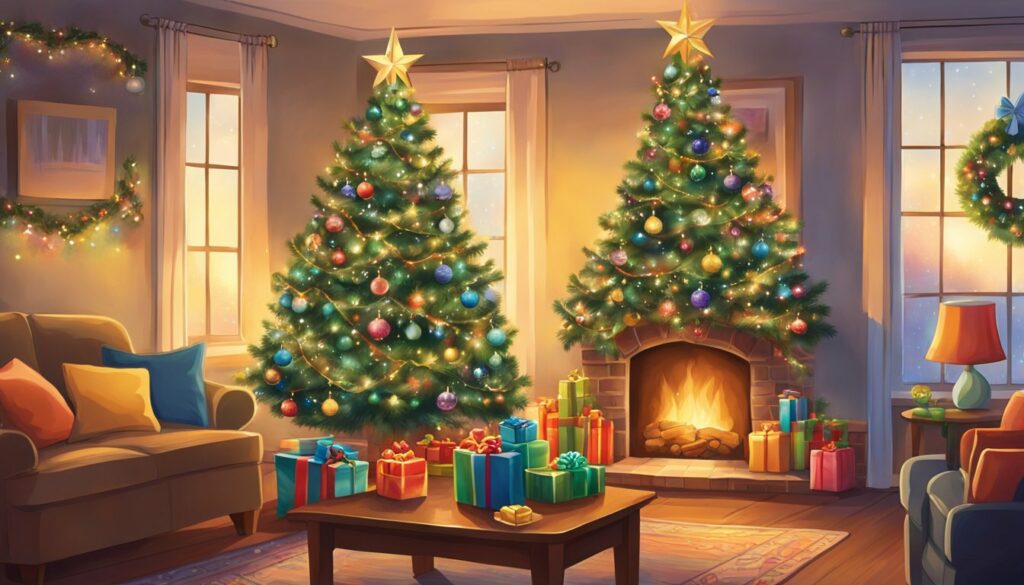
The easiest way to decorate a home is to work from the largest visual feature to the smallest. Start with the Christmas tree or the main gathering area, add lighting, and finish with wreaths, textiles, and small seasonal objects. This order helps the room feel balanced and makes it easier to see what is still needed.
Choose a consistent color palette before shopping. Red and green offer a traditional look, while cream, brown, and green feel more natural. White and silver can make a room look bright, and navy with gold offers a richer appearance. Two main colors and one accent color are often enough to create a connected design.
Source: letscelebratechristmas.com
Decorated Christmas tree
Use ornaments in a few related colors, add ribbon or garland if desired, and leave enough space between branches for the tree to remain visible.
Wreaths and garlands
Place a wreath on the front door and use garlands on suitable mantels, stair rails, or shelves, securing them so they cannot slip.
Festive window displays
Try paper snowflakes, simple star ornaments, battery-operated window candles, or lights designed for the intended location.
Holiday table decor
A runner, cloth napkins, greenery, and a low centerpiece can dress up a dining table without blocking conversation.
Create a Cozy Christmas Living Room
The living room often becomes the center of holiday activity, so it helps to keep the layout comfortable. Place the tree where it can be seen from the main seating area without blocking doors, walkways, or heating equipment. If the room is small, a narrow tree or tabletop tree can provide the same seasonal feeling while leaving more floor space.
Add soft texture with a throw blanket, cushion covers, and a few seasonal pillow accents. A bowl of ornaments or a small group of candles designed for safe indoor use can finish a side table. Leave clear surfaces for drinks, games, gifts, and other items used during family gatherings.
Layer light
Combine tree lights with a lamp or other gentle room lighting instead of relying on one bright source.
Protect clear walkways
Keep cords, gift boxes, and tree stands away from the paths people use most.
Decorate the Front Door and Entryway
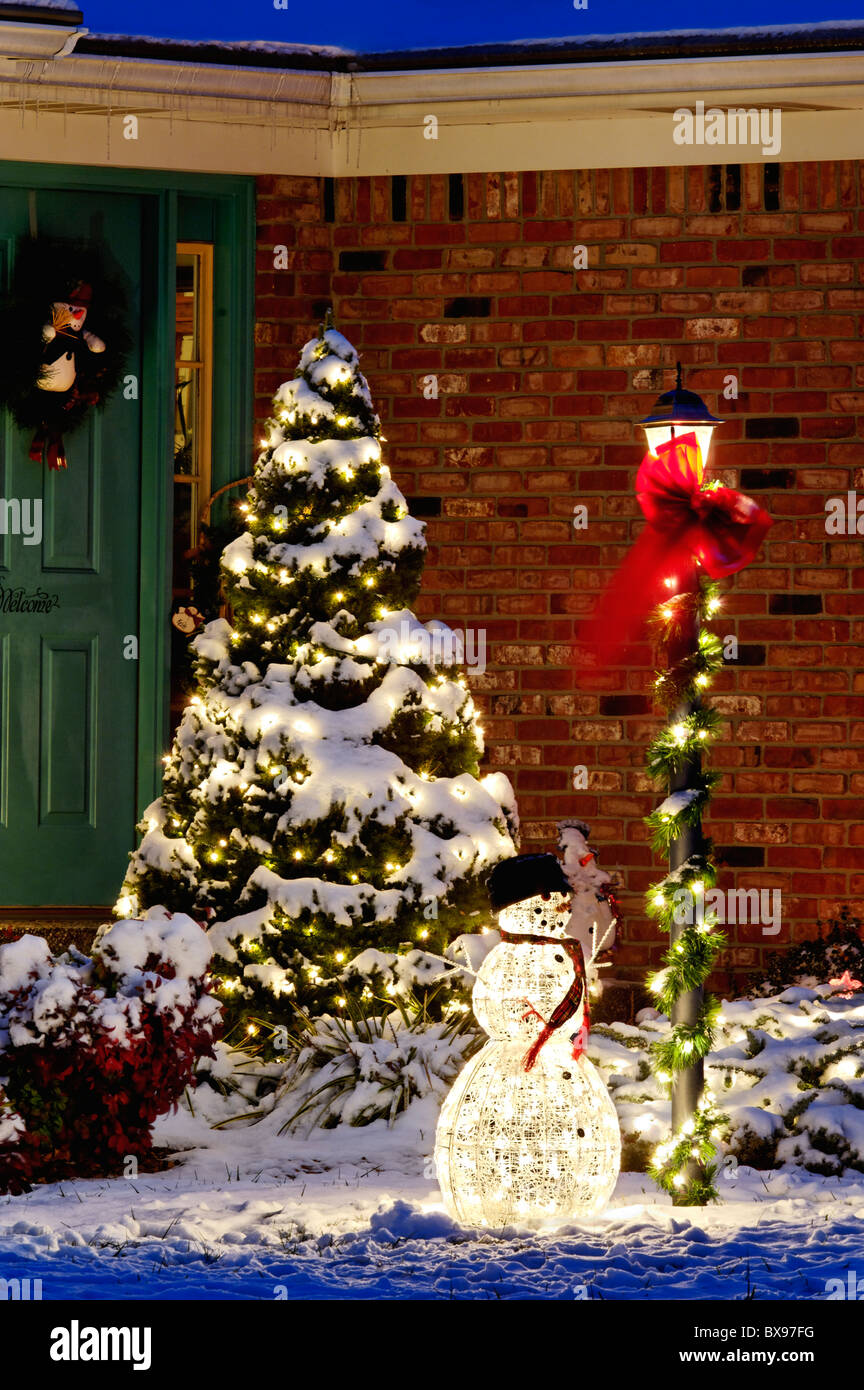
A front door wreath is a simple way to signal the season before visitors enter. Choose a wreath that fits the door size and mounting method, then add a ribbon or a small cluster of ornaments that matches the rest of the exterior. If the door receives direct sun, rain, or snow, choose materials suited to those conditions.
For an entry table, try a small evergreen arrangement, a bowl for keys, and a festive runner. Keep the door swing and entry route clear. Avoid placing fragile objects where a coat, bag, or opening door could knock them over.
Use a secure hanger
Choose a door hanger or mounting system suitable for the door material and the wreath's weight.
Keep the entrance usable
Leave enough space for packages, visitors, and everyday movement.
Outdoor Christmas Decorations Across the United States
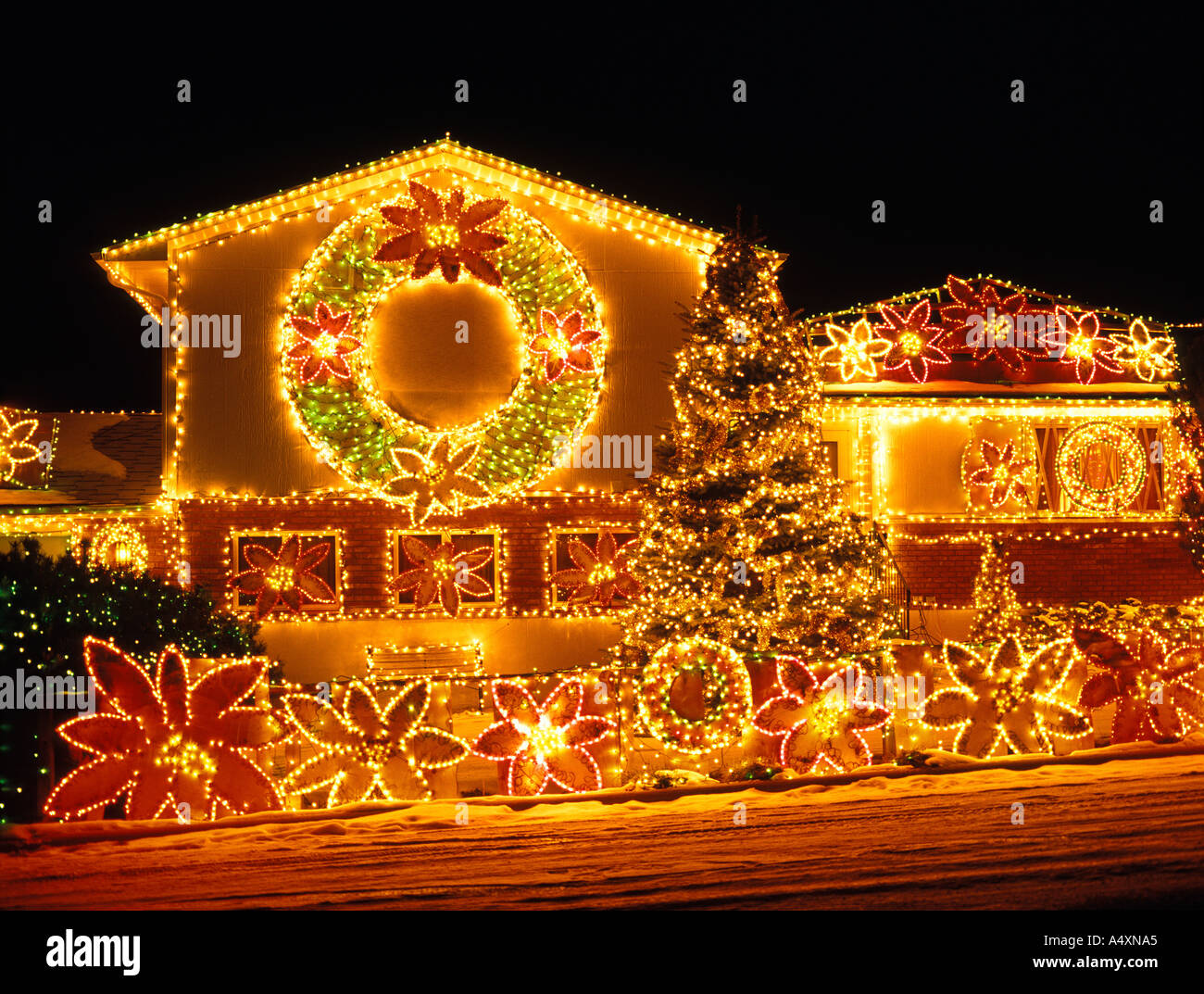
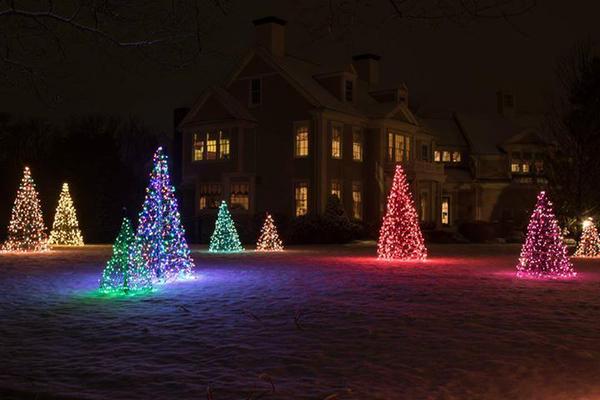
Outdoor decorations are a visible part of the holiday season in many American communities. Roofline lights, illuminated wreaths, porch garlands, pathway markers, and lawn figures can make a home feel welcoming after dark. The right display depends on the size of the property, the local climate, electrical access, and how much setup and storage the household can manage.
A well-planned outdoor display does not need many lights. Pick one main feature, such as the front door, a porch railing, or a small tree near the entrance. Add one or two supporting elements, then view the display from the street or sidewalk to check whether it looks balanced. This approach can reduce clutter, cost, and setup time.
Before decorating, check local rules, neighborhood requirements, lease terms, and any limits on lights or yard displays that apply to your property. Keep decorations within your own space, avoid blocking public walkways, and use fixtures designed for outdoor conditions where exposure to weather is expected.
Source: c8.alamy.com
Roofline and eaves
Use lights rated for outdoor use and suitable mounting clips. Avoid nails or staples that can damage cords.
Porch and columns
Wrap suitable garlands around secure supports and fasten them so wind cannot loosen the display.
Trees and shrubs
Use lights intended for outdoor plants and avoid tight wrapping that could harm branches or bark.
Walkways and driveways
Use stable, weather-suitable markers that do not create a trip hazard or obstruct snow removal.
Regional Christmas Decorating Styles
Regional style is shaped partly by weather and local building design. In the Northeast and Upper Midwest, evergreen wreaths, window lights, and snow-themed accents often suit the winter setting. In the South, porches may take center stage, with garlands, bows, and warm lights framing the entrance.
In the Southwest, earth tones, simple greenery, and warm lighting can complement desert landscapes and stucco homes. Along the Pacific Coast, natural textures, coastal colors, and restrained displays may fit the surrounding scenery. These are broad patterns rather than rules; personal taste and local traditions matter more than geography.
Cold and snowy regions
Choose outdoor decorations that can withstand local winter conditions and keep paths clear of snow and ice.
Warm and humid regions
Look for weather-resistant materials and check greenery often for signs of drying or decay.
Dry and sunny regions
Consider fading, dry vegetation, and fire risk when selecting materials and placing lights.
How to Plan an Outdoor Light Display
Measure the areas you plan to light before buying anything. Estimate the length of roofline, railing, or fence, then compare that measurement with the usable lighted length listed on the product package. Check whether sets can be connected and follow the maker's limits rather than assuming every strand can be joined.
Test each light set on the ground before installing it. Inspect cords, plugs, and sockets for damage, and discard sets with exposed wires or cracked parts. Use outdoor-rated extension cords and appropriate ground-fault circuit interrupter protection where required. Keep electrical connections out of standing water and follow all product instructions.
Use a stable ladder on firm, level ground for work at height, and do not reach sideways from the ladder. Never work near overhead power lines. If roof access is unsafe or the installation is beyond your skill level, use a qualified installer rather than taking a risk to finish the display.
Plan the power source
Check outlet locations and electrical requirements before arranging the lights.
Choose a clear visual pattern
Repeat the same light color or spacing along one feature to make the display look intentional.
Set a practical schedule
Use a suitable timer if desired, and switch off decorations when they are not needed.
How to Choose a Christmas Tree and Decorate It
A Christmas tree is often the main feature of a holiday room. Both real and artificial trees can work well, but each has different care needs. A real tree brings natural scent and texture, while an artificial tree can be reused and may be easier to fit into a set decorating plan. Neither option is automatically right for every household.
Measure the ceiling height and available floor space before choosing a tree. Allow room for the stand, topper, and enough clearance above the branches. Check the width as well as the height, especially in small apartments or homes where furniture and walkways already occupy much of the room.
Source: i.pinimg.com
Real trees
Choose a fresh tree, make a fresh cut at the trunk base if advised by the seller, and place it in a stand that holds enough water. Check the water level daily and keep the tree away from heat sources.
Artificial trees
Check the product's size, assembly instructions, light system, and storage needs. Inspect built-in lights and electrical parts before use.
Tabletop trees
Use a small tree when space is limited or when a full-size tree would interfere with daily activity.
A Simple Order for Decorating a Tree
Begin with the stand and tree placement, then shape the branches according to the manufacturer's directions. Add lights before fragile ornaments so you can reach the inner branches without knocking decorations off. Spread the lights through the tree rather than placing every bulb only on the outer tips.
Next, add ribbon or garland if you plan to use it, followed by larger ornaments and then smaller pieces. Hang fragile or treasured ornaments where pets and young children are less likely to reach them. Finish with a topper that is secure and suitable for the tree's height.
Start with the main colors
Use a small palette to connect the tree with the room's other decorations.
Mix ornament sizes
Place larger pieces deeper in the branches and smaller ornaments near the outer tips where they can be seen.
Keep the base tidy
Use a tree skirt or stable collar that does not cover vents, create a trip hazard, or interfere with watering.
Real Tree Care and Fire Prevention
A dry real tree can ignite quickly, so water and placement matter. Keep the tree well away from fireplaces, candles, radiators, space heaters, and other heat sources. Do not block an exit with the tree, and turn off tree lights before leaving home or going to bed.
Remove a real tree when it becomes dry or after the holiday period, and follow local collection or recycling rules. For artificial trees, follow the product's storage and electrical instructions. A tree labeled flame resistant is not fireproof, so safe placement and careful light use still matter.
Check the water daily
Keep the trunk base immersed in water according to the stand's instructions.
Inspect light sets
Replace damaged sets rather than trying to repair unsafe wiring with tape.
Keep exits open
Place the tree and gifts so doors and walkways remain easy to use.
Christmas Decorations for Small Homes and Apartments
A small home can feel festive with just a few well-placed decorations. The key is to use vertical space, choose items that serve more than one purpose, and leave everyday routes clear. A narrow tree, a wreath, window stars, or a decorated shelf can create a holiday focal point without filling the floor.
Renters should check lease terms before installing permanent hooks, drilling holes, or attaching lights to shared building areas. Removable hooks may help, but they still need to suit the surface and the weight of the item. Never use a mounting product in a way that could damage paint, fall onto people, or interfere with a door or fire exit.
Source: blog.flagwix.com
Use wall and window space
Hang lightweight stars, paper snowflakes, or a small wreath where they do not obstruct the view or window operation.
Choose a slim tree
A pencil-style or tabletop tree can fit beside furniture without narrowing the walkway.
Decorate existing shelves
Group a few seasonal objects with books or framed photos instead of adding a separate display unit.
Store items vertically
Use labeled boxes and stackable containers to make better use of closets and under-bed space.
Simple Decor for a Small Budget
You do not need to replace your decorations each year. Move a favorite wreath to a new spot, use ribbon to refresh an old tree, or group ornaments in a glass bowl when they are not hanging on branches. Paper chains, folded stars, and handmade cards can add color with basic craft supplies.
Choose projects that match the time and tools you have. Homemade decorations should be stable, kept away from flames and hot bulbs, and placed where small parts cannot be swallowed by young children or pets. The goal is a warm setting, not a long list of craft tasks.
Reuse gift ribbon
Save clean ribbon that is still in good shape and use it for wreaths, gifts, or table settings.
Make paper decorations
Cut paper stars or snowflakes and hang them with a suitable removable attachment.
Refresh old ornaments
Group existing ornaments by color or theme instead of buying a complete new set.
Budget-Friendly and Sustainable Christmas Decorating
A decorating budget works best when it starts with what you already own. Bring out the storage boxes, check which items are still usable, and make a short list of missing pieces. This simple review can prevent duplicate purchases and help you focus spending on items that will have the greatest visual effect.
For a practical budget, divide planned spending into categories such as tree decor, indoor accents, outdoor lights, and replacement supplies. Set a limit for each category before shopping. If the total is too high, reduce the number of new items or reuse a decoration in a different room rather than stretching the budget.
Sustainable decorating often means using durable items for longer, repairing suitable decorations, and choosing reusable materials when they meet your needs. Real greenery can be composted where local facilities accept it, while artificial items may last for many seasons if stored well. The environmental effect depends on material, production, transport, care, and how long an item remains in use, so there is no universal winner for every decoration.
Source: usalovelist.com
Set a spending limit
Decide the total budget and assign a practical amount to each part of the display.
Buy for reuse
Look for sturdy ornaments and light sets that can be stored safely and used in later seasons.
Choose natural accents thoughtfully
Use fallen pinecones or suitable branches where gathering is allowed, and avoid taking plant material from protected areas.
Store decorations with care
Use labeled containers, wrap fragile ornaments, and keep lights untangled to reduce damage.
A Sample Christmas Decorating Budget
The table below shows a hypothetical budget for a modest home display. These amounts are planning examples, not current market prices or a claim about what every household spends. Adjust them to your local costs, the size of your home, and the decorations you already have.
Tree and ornaments: $40
Use an existing tree and set aside a small amount for a few replacement ornaments or ribbon.
Indoor accents: $25
Add a wreath, table runner, or simple shelf decorations if needed.
Outdoor lighting: $35
Replace damaged light sets or add a small outdoor display within electrical and safety limits.
Craft supplies and storage: $20
Allow for paper, ribbon, labels, or containers needed to finish and store the display.
How to Reduce Waste After the Holidays
Take down decorations carefully and inspect them before storing them. Separate working lights from damaged sets, wrap breakable items, and keep instructions with decorations that need special assembly. Label boxes by room or type so the next season starts with less searching.
Check local rules for tree recycling, wreath disposal, cardboard, and packaging. Some programs accept natural trees but require ornaments, lights, and stands to be removed. Do not put electrical decorations into ordinary recycling unless the local program specifically accepts them.
Repair when appropriate
Replace a missing ornament hook or repair a loose non-electrical part if the item can be restored safely.
Donate usable decor
Offer clean, working items to local donation centers that accept seasonal goods.
Recycle through suitable programs
Follow local instructions for trees, cardboard, batteries, and electronic decorations.
Christmas Decorations Made in the USA
Some shoppers prefer decorations made in the United States because they want to support domestic makers, find locally crafted goods, or learn more about how an item is produced. Options can include handmade ornaments, wood decorations, pottery, textiles, wreaths, and selected lighting products. Availability varies by seller and season, so the place of manufacture should be checked for each item.
A brand's American name or a flag on the packaging does not by itself prove that a product was made in the country. Read the product label and description, and look for clear wording about where the finished item was manufactured. If country of origin matters to your purchase, ask the seller about the specific product rather than relying on a broad brand statement.
Handmade decorations can also give a display a more personal feel. A carved wooden ornament, locally made ceramic figure, or hand-sewn stocking can become a keepsake that is used for years. Compare materials, care instructions, dimensions, and price before choosing, just as you would with any other decoration.
Source: madeintheusamatters.com
Check the country-of-origin statement
Look for a specific, clearly supported statement about where the item was made.
Support local craft sellers
Explore craft fairs, local studios, and small businesses when handmade decor fits your budget.
Consider long-term use
Choose a size, material, and style that can work with future decorating themes.
Choose Quality Without Overpaying
A higher price does not automatically mean a decoration will last longer. Check the quality of joins, stitching, finishes, hanging hardware, and replaceable parts. For electrical products, review the label, intended location, and safety instructions rather than judging quality by appearance alone.
If a handmade ornament is meant to become a family keepsake, consider whether it can be cleaned and stored without special equipment. For outdoor decor, weather resistance and secure mounting may matter more than delicate detail. Matching the material to the setting is often a better guide than price alone.
Review construction
Inspect the finish, attachment points, and any parts that carry weight.
Match decor to its location
Use indoor items indoors unless the manufacturer clearly states they are suitable for outdoor use.
Christmas Decorating Safety for Indoor and Outdoor Displays
A festive display should make the home welcoming without creating avoidable hazards. Before decorating, inspect light sets, cords, plugs, stands, hooks, and other hardware. Follow product labels and instructions, and remove anything with damaged wiring, cracked plugs, loose connections, or signs of overheating.
Use lights and extension cords that are rated for the place where they will be installed. Indoor-only products should not be used outside, where rain, snow, and damp surfaces can create risks. Do not overload outlets or connect more light sets than the manufacturer allows. If a circuit trips repeatedly, stop using the setup and have the cause checked rather than resetting it again and again.
Keep heat and flame away from dry greenery, paper, fabric, and other decorations that can burn. Place candles in stable holders on clear surfaces, and never leave a lit candle unattended. Battery-operated candles can provide a similar glow where an open flame would be unsuitable, but their batteries and small parts still need safe handling around children and pets.
Source: usalovelist.com
Protect children and pets
Keep small, sharp, fragile, or edible-looking decorations out of reach when they could be swallowed or broken.
Secure hanging items
Check that wreaths, garlands, and ornaments cannot fall onto people or block a door.
Keep exits and routes clear
Do not let trees, cords, gifts, or lawn decorations obstruct doors, stairs, or walkways.
Use ladders with care
Set ladders on firm ground, maintain stable footing, and avoid roof or electrical work that is beyond your ability.
When to Stop and Get Help
Stop using a decoration if it sparks, smells burnt, becomes unusually hot, has exposed wires, or repeatedly trips a circuit. Unplug it only when you can do so safely, and replace or have the faulty item assessed according to the manufacturer's guidance. Do not cover damaged wiring with tape and continue using the set.
Outdoor installations near roof edges, overhead wires, or steep surfaces can be dangerous. If the task requires unsafe climbing or work close to electrical lines, leave it to a qualified professional. A smaller display is a better choice than a setup that puts someone at risk.
Electrical warning signs
Sparking, a burning smell, damaged insulation, or repeated circuit trips mean the setup needs attention before reuse.
Unsafe access
Do not climb onto a wet or icy roof or work near overhead power lines.
Unstable decorations
Remove or secure items that sway, tip, or fall when exposed to ordinary wind or movement.
Common Christmas Decorating Mistakes to Avoid
One common mistake is buying decorations before choosing a style or measuring the space. This can lead to oversized wreaths, too many competing colors, and items that have no clear place. Measure first, set a palette, and decide which areas deserve the most attention.
Another mistake is treating every decoration as suitable for every location. Indoor ornaments can fade, crack, or become unsafe outside, while outdoor decorations may be too large or visually heavy for a small room. Check the product's intended use and care needs before installing it.
Overcrowding can also make a display harder to enjoy. Too many objects may hide the tree, block windows, or reduce useful space on tables and counters. Choose a few focal points and let open areas remain open. A clear design often looks more inviting than a room filled from floor to ceiling.
Source: c8.alamy.com
Mixing too many themes
Choose one main style and add personal items that fit it instead of combining several unrelated looks.
Ignoring the room layout
Keep doors, windows, vents, stairs, and everyday routes free of obstructions.
Leaving setup until the last moment
Check supplies and test lights before installation day so damaged items can be replaced without rushing.
Storing decorations carelessly
Wrap fragile items and keep electrical sets dry, labeled, and protected from crushing.
A Quick Final Decorating Check
Walk through the home as if you were a visitor. Check the entrance, main gathering room, dining area, and any outdoor display visible from the street. Look for loose cords, blocked routes, unstable items, and lights that seem too bright or uneven.
Turn on the lights at the time you expect to use them and view the display from a few different angles. Make small changes to spacing or placement rather than buying more items immediately. Once everything looks balanced and works safely, take a few reference photos to make next year's setup easier.
Visual balance
Check whether the main decorations have a clear focal point and a consistent color scheme.
Safe placement
Confirm that cords, flames, trees, and hanging items do not create avoidable hazards.
Practical use
Make sure the home remains easy to clean, walk through, and use during holiday gatherings.
Frequently Asked Questions
Q
What are the most popular Christmas decorations in the USA?
Common choices include Christmas trees, string lights, wreaths, garlands, stockings, ornaments, and outdoor lawn displays. Many homes also use window decorations, festive table settings, and seasonal pillows or blankets. Popular styles range from classic red and green to natural, rustic, modern, and colorful themes.
Q
When do people in the USA put up Christmas decorations?
There is no single date that every household follows. Some people decorate soon after Thanksgiving, which falls on the fourth Thursday of November in the United States, while others begin earlier or wait until December. Families may follow religious customs, personal routines, local events, or their own preferred schedule.
Q
How can I decorate my home for Christmas on a small budget?
Start by reusing the decorations you already own, then choose one focal point such as the tree, front door, or mantel. Add inexpensive accents like paper stars, handmade ornaments, saved ribbon, or a simple table runner. A consistent color scheme can make a small collection look planned and complete.
Q
What colors are traditional for American Christmas decor?
Red and green are widely recognized traditional colors, often paired with white, gold, or silver. Other households prefer blue and silver, cream and natural green, or bright multicolor lights. The best palette is one that suits the home and allows decorations to work together.
Q
How can I make outdoor Christmas decorations safe?
Use lights and cords rated for outdoor use, inspect them before installation, and follow the manufacturer's connection limits. Keep connections away from standing water, protect circuits as directed by applicable electrical guidance, and avoid damaged wiring or overloaded outlets. Use stable ladders and stay away from overhead power lines; hire a qualified installer for unsafe work at height.
Q
Are real or artificial Christmas decorations better for the environment?
The answer depends on the product, how it is made and transported, how long it is used, and how it is discarded. A reusable artificial tree or ornament may serve for many seasons, while a real tree may be a good option when it is responsibly grown and local recycling or composting is available. Reusing existing decorations and avoiding unnecessary purchases can reduce waste with either approach.
Q
How do I make a small apartment feel festive for Christmas?
Use a tabletop or slim tree, a door wreath, window stars, and a few decorations on shelves. Choose a small color palette and use vertical space to avoid crowding the floor. Keep walkways clear, check rental rules before mounting items, and store seasonal decor in labeled containers after the holidays.
✦ Wrapping Up
Conclusion
Christmas decorations in the USA reflect a wide range of homes, climates, and family traditions. A classic tree, a wreath on the door, a few strings of lights, and carefully chosen indoor accents can create a festive setting without a large budget. More elaborate displays can also work well when they suit the property and can be installed safely.
Start with the spaces you use most, choose a simple color palette, and build around a few meaningful pieces. Consider local weather, storage space, household needs, and the intended location of each decoration. With thoughtful planning and safe setup, your holiday display can feel warm and personal throughout the season.
💡 Key Takeaway
Before buying anything, inspect your existing decorations, measure the spaces you want to decorate, choose two or three main colors, and make a short shopping list. Test all lights, check mounting points, and keep exits and walkways clear before enjoying your Christmas display.
Do you want to bring peace and beauty into your home? Peace lilies are wonderful plants for indoor use. They have pretty white "flowers" and green leaves. These plants do more than look nice; they also clean the air in your home. This makes them an excellent choice for any room. I love having my peace lily near my reading chair. It makes the space feel calm and fresh. This plant can also make your home feel peaceful. How Much Light Does Your Peace Lily Need? Do you ever wonder if your plants get enough light? Peace lilies come from thick, warm forests where sunlight does not shine directly on them. They grow under big trees. This tells us a lot about what kind of light they like in our homes. Your peace lily needs bright light, but not direct sun. Think of a window that faces east or north. These windows give gentle morning light or light that is not too strong. If your window faces south or west, use a thin curtain. This curtain acts like the big trees in the forest, softeni...
Hydroponic towers circulate nutrient-rich water to plants grown in vertical columns. This system maximizes space and promotes efficient plant growth. Hydroponic towers are an innovative solution for urban gardening and sustainable farming. These systems utilize vertical columns, allowing plants to grow in a soil-free environment. Nutrient-rich water circulates through the towers, delivering essential minerals directly to the plant roots. This method conserves space and uses less water compared to traditional farming. Hydroponic towers are ideal for growing various crops, from leafy greens to herbs. They offer a practical and efficient way to produce fresh produce year-round, making them increasingly popular among home gardeners and commercial growers. What Is Hydroponics? Hydroponics is a way to grow plants without soil. Instead, plants grow in a nutrient-rich water solution. This method allows plants to grow faster and healthier. Hydroponics uses less water than traditional farming. I...
I’ve seen too many “perfect backyard setups” online that look nice in pictures but don’t really work in real life. In my experience, outdoor living decorating ideas should be practical first, pretty second. Because what’s the point of a beautiful space if you don’t actually sit there? So here’s how I think about outdoor decorating—simple, usable, and something you’ll actually enjoy every day. I Don’t Believe in Over-Decorated Outdoor Spaces Honestly, I think most outdoor spaces get ruined by over-decorating. Too many cushions, too many lights, too many “aesthetic” items that collect dust. Instead, I prefer: Fewer but comfortable furniture pieces Open space for movement Things you actually use, not just display Outdoor living should feel free, not like a showroom. You May Read Also: Small Outdoor Garden Ideas Seating Area: Keep It Real, Not Perfect If I had to start anywhere, it would be seating. But not those fragile fancy setups. I go for: A strong chair...
Cucumber seedlings develop pale leaves most often because of poor light, excess water, low nutrient levels, unsuitable temperatures, or root damage. Check the leaves, soil moisture, growing conditions, and roots before changing fertilizer or watering habits. Across the United States, gardeners start cucumbers indoors in spring to get a head start on the growing season. Others sow seeds directly into warm garden soil after the danger of frost has passed. In both cases, pale leaves can appear just as young plants begin to grow, leaving gardeners unsure whether to water more, add fertilizer, or move their seedlings into brighter light. The color of a cucumber seedling offers useful clues, but it rarely tells the whole story. A plant with pale leaves and wet soil may have damaged roots, while one with pale stems and long, weak growth may need more light. Older leaves that turn yellow while new growth stays green can point to a different problem than leaves that become yellow between their ...







Comments
Post a Comment