The home and garden are dedicated to improving and beautifying living spaces inside and out. This niche contains home essentials, lawn care and landscaping advice, and gardening techniques. It aims to help individuals create attractive, functional, and personalized environments, enhancing their homes and outdoor areas. Whether maintaining a lush lawn, cultivating a garden, or embarking on a DIY project, this niche provides valuable insights and inspiration to elevate your living spaces.
Why Pepper Plants Drop Flowers Before Producing Fruit: Causes And Fixes
Get link
Facebook
X
Pinterest
Email
Other Apps
-
Pepper plants drop flowers before producing fruit when heat, cold, uneven watering, poor pollination, or plant stress keeps the flowers from setting fruit. Check the weather, soil moisture, sunlight, and fertilizer before changing your care routine.
If you grow peppers in a backyard garden in Texas, raise bell peppers in pots on a sunny Florida patio, or tend a small vegetable plot in Ohio, falling pepper flowers can be frustrating. Your plant may look green and healthy, yet its flowers dry up and fall before tiny peppers appear. The good news is that a few simple checks can often reveal what is going wrong.
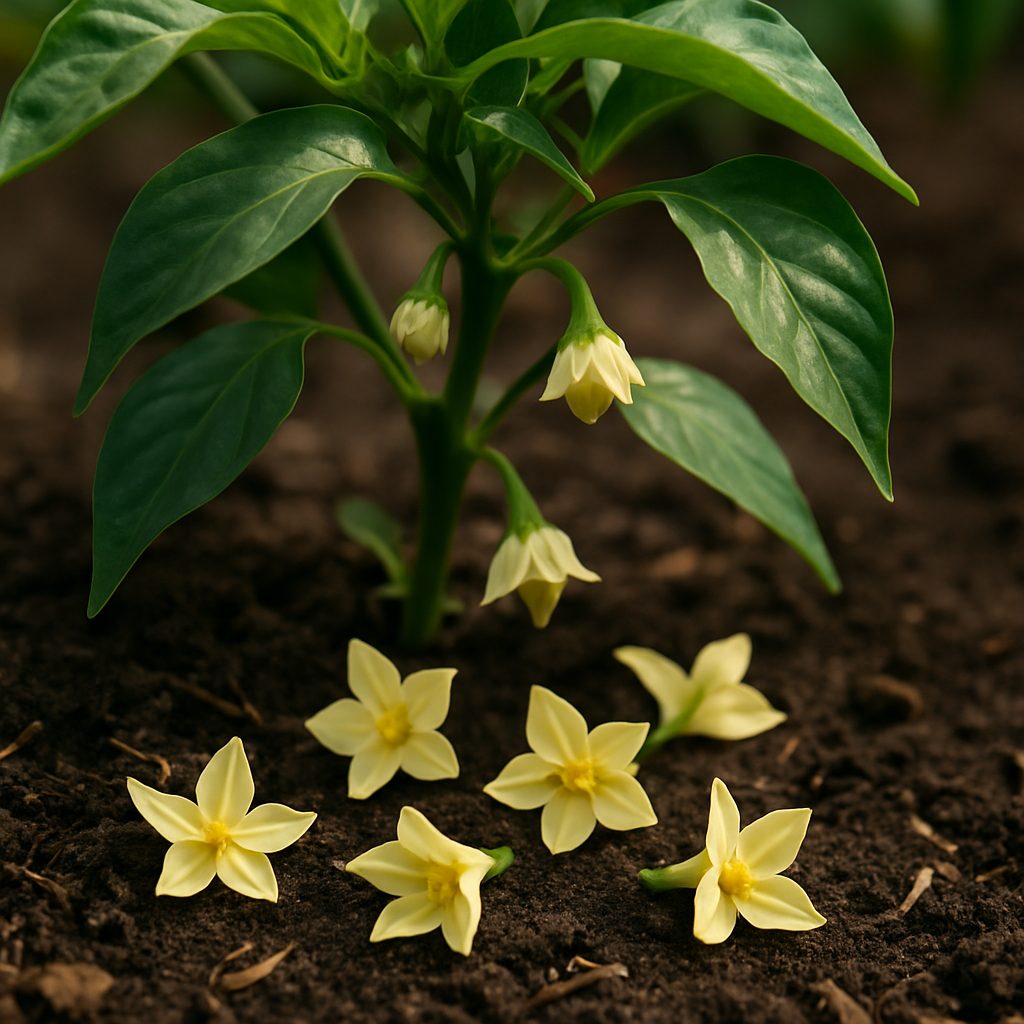
Pepper flowers naturally come and go as the plant grows. A few fallen blooms do not always signal a problem, especially when a plant is young or the weather changes quickly. However, if most flowers fall without forming fruit, the plant may be struggling with temperature, water, pollination, or nutrition. The best fix depends on which factor is causing the stress.
Start by looking at the conditions during the days when the flowers opened. Hot afternoons, chilly nights, dry potting mix, soggy soil, and heavy nitrogen doses can all affect fruit set. Instead of adding fertilizer or watering more at once, check the plant and its growing conditions so you can make one useful change at a time.
Source: peppergeek.com
1. Extreme Heat Can Stop Pepper Flowers From Setting Fruit
Excessive heat is one of the first things to check when pepper flowers fall without producing fruit. Peppers thrive in warm weather, but very hot days and warm nights can interfere with pollen function, fertilization, and the plant's ability to support young fruit. A plant may stay green and keep growing while its flowers fail to develop into peppers.
This problem often appears during summer heat waves in states such as Texas, Arizona, Georgia, and Florida. Temperatures around or above 90°F can reduce fruit set in many pepper varieties, particularly when the heat lasts for several days and nights remain warm. The exact threshold varies with the variety, humidity, water supply, and how quickly temperatures rise.
Flowers may open normally, then turn yellow or brown, shrivel, and drop. The plant may also wilt during the hottest part of the day, even when the soil is moist. If the pattern matches a period of extreme heat, temperature stress is a stronger suspect than a lack of fertilizer.
The goal is not to make the pepper plant cold. The goal is to reduce extra stress during harsh weather. Once temperatures return to a more suitable range, many plants produce new flowers and begin setting fruit again.
Source: cultivatedearth.com
Use afternoon shade when heat is intense
In very hot climates, temporary shade during the hottest hours can lower stress. Use a breathable shade cloth rather than covering the plant with plastic. Keep enough light available for growth and flowering.
Keep the root zone cool and moist
Apply a layer of clean organic mulch to garden soil, leaving a small gap around the stem. Mulch helps slow moisture loss and reduces rapid soil temperature changes.
Avoid harsh pruning during a heat wave
Removing large amounts of foliage can expose stems and fruit to sun stress. Keep healthy leaves unless there is a clear reason to remove damaged or diseased growth.
What To Do When Pepper Flowers Drop During Summer
Check the forecast and compare daytime highs and overnight lows with the timing of flower loss. If the plant has healthy leaves but loses most of its blooms during several hot days, avoid making several major changes at once. Water the root zone as needed, protect the plant from extreme afternoon sun when practical, and wait for more moderate weather.
Do not expect a spray or fertilizer to fix heat-related flower drop overnight. Flowers already damaged by extreme temperatures may not recover. A useful sign is new flowers that remain attached and develop into small green peppers as conditions improve.
Best response
Reduce heat and water stress, then watch the next wave of flowers rather than trying to rescue blooms that have already dried up.
2. Cold Nights and Sudden Temperature Swings Can Cause Flower Drop
Peppers need warmth at night as well as during the day. Cool nights can slow pollen development and interfere with the plant's ability to set fruit, especially early in the season. A sudden cold spell after several warm days may cause flower drop even if the plant looks healthy.
This can happen in northern states during late spring, in mountain areas with cool evenings, or in any region where the weather changes quickly. Peppers are warm-season crops, and young plants are especially sensitive to cold soil and chilly air. A plant moved outdoors too early may spend its energy coping with stress instead of supporting fruit development.
If flowers fall after nights in the 50s°F, cold stress may be contributing, though the response depends on the variety and the rest of the growing conditions. Temperatures near or below 55°F can slow growth and reduce fruit set in many peppers. Frost is far more dangerous and can severely injure or kill plants.
Check both the forecast and the soil temperature before planting peppers outdoors. Wait until frost danger has passed and the soil has warmed. If a cold spell is expected, protect container plants by moving them to a sheltered location and cover garden plants with suitable frost protection when needed.
Source: storage.googleapis.com
Harden off young plants
Gradually expose indoor-grown seedlings to outdoor conditions over several days to a week or more. Start with a sheltered period outdoors and increase exposure as the plants adjust.
Avoid cold, wet soil
Cold soil can slow root activity. Use a sunny, well-drained planting area and avoid heavy watering when the soil is already wet.
Use protection during short cold spells
Row covers can help moderate temperatures, but secure them properly and remove or open them as conditions warm. Follow product instructions and prevent hot air from building up around plants.
How To Tell Whether Cold Weather Is the Main Cause
Look for a link between flower loss and several chilly nights, rather than judging the problem from one fallen bloom. Cold-stressed plants may grow slowly, develop fewer new flowers, or show delayed growth after planting. If daytime conditions are pleasant but nights remain cold, give the plant time to adjust before changing its fertilizer program.
Once nights become consistently mild and the soil warms, the plant may resume flowering and fruit set. If the weather is already suitable, continue checking water, pollination, and nutrition instead of assuming temperature is still the problem.
Best response
Plant at the right time for your local climate and shield young peppers from cold snaps without trapping excessive heat around them.
3. Uneven Watering Stresses Pepper Plants
Pepper plants need a steady supply of moisture while they flower and form fruit. When the soil dries out too much, roots cannot supply enough water to the leaves and developing flowers. If the soil stays saturated, roots may lack oxygen and become more vulnerable to decay.
Both conditions can lead to flower drop. A pepper plant growing in a small patio pot may dry out quickly on a hot afternoon, while a plant in heavy clay soil may remain wet for days after a storm. The same watering schedule will not work for every garden because soil type, container size, rainfall, and temperature all affect how quickly moisture changes.
Look at the soil before watering. The surface can appear dry while the root zone remains damp, or a light shower may wet only the top layer. When possible, check several inches below the surface, and in containers, feel the potting mix near the root zone.
Water deeply enough to moisten the root zone, then allow excess water to drain. The aim is consistent moisture, not constant saturation. A layer of mulch can help garden soil retain water, but it cannot fix poor drainage or a leaking irrigation system.
Source: tinygardenhabit.com
Signs of underwatering
Dry soil, drooping leaves, rapidly wilting plants, and pots that feel unusually light suggest that the plant may need water. Severe or repeated drying can increase flower drop.
Signs of overwatering
Persistently wet soil, yellowing lower leaves, weak growth, and a sour smell around the root zone can point to poor drainage or excess water. Check the soil before adding more.
Water the root zone
Use a watering can, hose, or drip system to deliver water to the soil rather than relying on brief sprays over the leaves. Adjust frequency to weather and soil conditions.
How Often Should You Water Flowering Pepper Plants?
There is no single correct schedule for every pepper plant. In hot, dry weather, a container may need water daily or even more often, while a large garden bed with moisture-retaining soil may need less frequent watering. Check the root zone each day during hot weather and water when it is beginning to dry rather than following the calendar alone.
For containers, make sure the pot has drainage holes and that water can escape freely. Empty standing water from saucers after watering. For garden beds, improve drainage where needed and avoid repeatedly flooding the same spot.
If a plant has already suffered severe wilting, restore moisture gradually and avoid drowning the roots. Once the soil moisture becomes more stable, watch whether new flowers stay attached. Existing flowers damaged by severe stress may still fall.
Best response
Use soil moisture as your guide, keep water levels steady, and fix drainage problems instead of automatically watering more.
4. Poor Pollination Can Prevent Peppers From Forming
Pepper flowers must be pollinated and fertilized before a fruit can begin to develop. Most common garden peppers are self-fertile, which means a flower contains both male and female reproductive structures and can produce fruit without a second pepper plant nearby. However, pollen still needs to reach the right part of the flower at the right time.
Wind, insects, and gentle movement of the plant can help pollen move within the flower. In an outdoor garden, this often happens naturally. A sheltered greenhouse, enclosed porch, or indoor growing setup may have less air movement, which can make gentle hand assistance useful when flowers repeatedly fail to set fruit.
Poor pollination is not always the main cause of flower drop. High heat can make pollen less viable, while excessive humidity may cause pollen to clump and move less freely. Cold conditions and general plant stress can also interfere with fertilization. For this reason, check temperature and plant health before assuming that the garden needs more pollinators.
A successfully pollinated flower usually stays attached while its base begins to swell into a tiny pepper. An unsuccessful flower may yellow and fall without a visible fruit forming. This pattern is helpful, but it does not prove that pollination alone caused the failure.
Source: agrifarming.in
Encourage natural air movement
Outdoor breezes often provide enough movement. In a greenhouse or sheltered growing area, use gentle airflow while avoiding strong fans that dry the plant or damage blooms.
Try gentle manual pollination
Tap the flower stem lightly or gently shake the plant when the flowers are dry. This can help release and move pollen without damaging delicate blooms.
Avoid unnecessary pesticide use
Broad-spectrum insecticides can harm helpful pollinators. If pest control is needed, identify the pest first and follow the product label, including directions that protect pollinating insects.
How To Hand-Pollinate Pepper Flowers
Choose a dry part of the day when the flowers are open. Gently tap a flower stem or brush the inside of the flower with a clean, soft artist's brush to move pollen. Repeat on several open flowers without scraping or bending the petals.
You do not need to remove the flower or collect pollen from a different plant of the same variety. Peppers generally self-pollinate, and the goal is simply to help pollen move. If flowers continue to fall during a heat wave or under poor growing conditions, hand pollination will not solve the underlying stress.
Watch the flower base over the next several days. A small green swelling beneath the petals is a useful sign that fruit development has begun. If the flower drops, reassess the temperature, soil moisture, and overall health of the plant.
Best response
Use gentle movement as a low-risk aid for sheltered plants, but treat temperature and water problems first when they are present.
5. Too Much Nitrogen Can Produce Leaves Instead of Peppers
Pepper plants need nitrogen to build leaves and stems, but excess nitrogen can encourage leafy growth at the expense of flower and fruit production. A plant may look lush and green while producing few blooms or dropping many of the flowers it does form. This is especially likely when a high-nitrogen lawn fertilizer or concentrated feed is used near a vegetable bed.
Nitrogen is not the only nutrient that matters. Phosphorus supports many plant processes, including energy transfer and reproductive growth, while potassium helps regulate water balance and supports fruit development. Still, adding extra phosphorus or potassium without evidence of a deficiency is not a reliable way to stop flower drop.
Start by checking the fertilizer label and the amount you applied. If the plant has large, dark green leaves, long stems, and few flowers after repeated feeding, excess nitrogen is worth considering. The same symptoms can have other causes, so do not diagnose a nutrient problem from leaf color alone.
Use a fertilizer labeled for vegetables and follow its directions for application rate and frequency. Avoid applying lawn fertilizer to pepper plants unless its label specifically supports that use. In garden beds with recurring nutrient issues, a soil test can help determine whether the soil has too much or too little of a given nutrient.
Source: seedsandspades.com
Read the nutrient analysis
The three numbers on a fertilizer label represent nitrogen, phosphate, and potash. Compare the formula with the product directions and avoid heavy, repeated feeding.
Do not add fertilizer to fix every problem
Heat stress, poor pollination, and uneven watering will not be solved by extra nutrients. Adding fertilizer when the plant is already stressed can make the problem worse.
Use soil testing when needed
A soil test can help guide amendments in established garden beds. For container plants, review the potting mix and feeding schedule, and avoid letting salts build up.
What If the Pepper Plant Has Many Leaves but Few Fruits?
First, check whether the plant receives enough direct sunlight and whether temperatures are suitable. A pepper plant in partial shade may grow leaves but produce fewer flowers or fruit. If sunlight is adequate and the weather is favorable, review recent fertilizer applications and the nutrient content of the product.
Do not suddenly strip leaves or stop all nutrition for the rest of the season. Instead, stop unnecessary high-nitrogen applications and follow a suitable feeding plan. Keep the plant watered, protect the roots, and allow time for new growth and flowers to develop.
Best response
Reduce excessive nitrogen inputs, maintain balanced care, and use a soil test when the nutrient status remains uncertain.
6. Too Little Sunlight Can Limit Flowering and Fruit Set
Peppers need plenty of sunlight to grow well and produce fruit. In most home gardens, aim for about six to eight hours of direct sun each day, with more light often helpful when heat is not excessive. Plants in deep shade may survive and produce leaves but struggle to make enough energy to support a strong crop.
Shade can come from a fence, house wall, tree canopy, tall tomatoes, or a balcony roof. A spot that looks sunny in the morning may become shaded by midday. Observe the plant's actual light exposure over the day rather than judging the location from a quick glance.
Low light can also slow soil drying, which may increase the risk of overwatering. In a crowded garden, leaves may remain damp longer and airflow may be poor. These conditions can affect overall plant health, making it harder to identify one cause of flower loss.
If the plant grows in a container, move it gradually to a sunnier position if the weather allows. Do not suddenly expose an indoor-grown or heavily shaded plant to intense midday sun, since leaves can scorch. If the pepper is rooted in the ground, consider whether nearby growth can be managed without damaging other plants.
Source: pepperjoe.com
Track direct sunlight
Check the growing site at different times of day and note when direct sun reaches the leaves. Aim for a location with enough light for flowering.
Space plants sensibly
Follow the spacing guidance for your pepper variety. Good spacing improves light access and airflow while making watering and harvesting easier.
Balance light with heat
In very hot regions, intense afternoon sun can add stress even when the plant needs strong light overall. Morning sun and limited afternoon shade may be useful during severe heat.
Can Pepper Plants Grow in Partial Shade?
Pepper plants can survive in partial shade, but less direct light often means slower growth and lower fruit production. A little afternoon shade may help during extreme summer heat, while heavy shade throughout the day can limit flowering. The useful balance depends on the local climate and the plant's condition.
If a pepper plant receives only a few hours of direct sun and repeatedly drops flowers, improve its light exposure when practical. Do not assume that more sun will solve the issue if temperatures are already extreme. Consider sunlight and heat together rather than treating them as separate problems.
Best response
Provide strong light without exposing a heat-stressed plant to unnecessary afternoon extremes.
7. Small Pots and Crowded Roots Can Stress Pepper Plants
A pepper plant growing in a container needs enough room for its roots to take up water and nutrients. If the pot is too small, the root ball can dry out quickly, especially during hot weather. The plant may wilt between waterings and drop flowers even when you water it often.
Root restriction can also limit steady growth and make nutrient management harder. A plant may use up the moisture in a small container within a day, then swing between dry and wet conditions. These rapid changes can be especially hard on flowers and newly forming fruit.
For many common pepper varieties, a container of roughly three to five gallons per plant is a practical starting point, though larger plants and long growing seasons may benefit from more room. The right size depends on the variety, pot shape, growing medium, and climate. Drainage holes are essential regardless of pot size.
Garden-grown peppers can also suffer when planted too close together or when weeds compete for water and nutrients. Follow the spacing recommendations for your variety, and avoid packing plants so tightly that their leaves overlap heavily. More room does not guarantee fruit, but it makes steady care easier.
Source: farmerflints.com
Look for roots circling the pot
If roots form a dense mat at the drainage holes or the pot dries very quickly, the plant may need a larger container. Avoid pulling apart roots aggressively during repotting.
Use a suitable potting mix
Choose a container mix that holds moisture while allowing excess water to drain. Garden soil can compact in pots and restrict airflow around roots.
Reduce competition
Remove nearby weeds and give each pepper plant room to develop. Healthy spacing helps you see flowers, inspect leaves, and reach the soil for watering.
When Should You Move a Pepper Plant to a Bigger Pot?
Consider repotting when roots crowd the drainage holes, water runs through the container unusually fast, or the plant wilts soon after watering despite suitable temperatures. Choose a pot with drainage holes and enough extra volume for continued growth. Water the plant after repotting and protect it from harsh midday sun while it adjusts.
Avoid repotting during extreme heat unless the plant's current container is creating an urgent problem. Root disturbance can add stress, so a suitable pot and stable watering routine are better than frequent moves between containers.
Best response
Provide enough root space early, then maintain even moisture and avoid unnecessary root disturbance during flowering.
8. Pests and Plant Diseases May Contribute to Flower Drop
Pests and diseases can weaken pepper plants and make it harder for them to keep flowers and develop fruit. Aphids, thrips, and other sap-feeding pests may damage tender growth or flowers. Severe infestations can stress the plant, while some pests can also spread plant viruses.
Inspect the growing tips, the undersides of leaves, and the flowers themselves. Look for clusters of small insects, sticky residue, distorted new leaves, pale speckling, or silvery scars. Thrips can be difficult to spot because they are small and may hide inside flowers.
Diseases can also affect the roots, stems, and leaves. Yellowing, wilting despite moist soil, dark stem lesions, or spreading leaf spots may indicate a problem that needs a closer look. Flower drop alone does not identify a disease, so examine the whole plant before applying a treatment.
Start with low-risk measures. Remove badly damaged plant material when appropriate, improve airflow, avoid splashing soil onto leaves, and keep tools clean. If you use a pesticide, choose one labeled for the specific pest and edible crop, and follow all directions for application, protective equipment, and the required interval before harvest.
Source: www.youtube.com > Pepper Geek
Check flowers closely
Gently inspect open blooms for tiny insects, feeding marks, or damaged petals. A hand lens can help reveal pests that are hard to see with the naked eye.
Inspect the whole plant
Look for leaf damage, stem discoloration, unusual wilting, and root problems. These signs can help separate a general growing-condition issue from pest or disease stress.
Avoid treating without identification
Do not spray a pesticide simply because flowers fall. Identify the likely cause first, and use only products labeled for peppers and the target pest or disease.
When Flower Drop Needs a Closer Inspection
A few yellowing flowers on an otherwise vigorous plant are usually less concerning than flower loss combined with severe wilting, spreading leaf spots, distorted growth, or stem damage. Those additional symptoms provide a reason to inspect more carefully. Check whether the problem affects one plant or several plants growing in the same conditions.
If several plants lose flowers after the same heat wave, weather is a likely shared factor. If one plant declines while nearby peppers remain healthy, inspect its roots, watering, and leaves for a more localized problem. This comparison helps narrow the possibilities without relying on flower drop alone.
Best response
Match the treatment to an identified pest or disease, and seek help from a local Cooperative Extension office if symptoms remain unclear or the plants continue to decline.
9. A Practical Checklist for Diagnosing Pepper Flower Drop
The quickest way to troubleshoot flower drop is to check the factors that change most often and are easiest to verify. Start with recent weather, then inspect soil moisture, sunlight, fertilizer use, root space, and signs of pests. This order helps you avoid spending money on treatments the plant may not need.
Look for patterns rather than treating every fallen flower as a separate problem. If several plants in the same bed drop flowers at the same time, a shared factor such as heat or watering may be responsible. If only one plant is affected, examine its root zone, container, and foliage more closely.
Make one change at a time when possible, then watch the next set of flowers. Flowers already damaged by stress may continue to fall even after conditions improve. New flowers that remain attached and develop small green fruit are a better sign of recovery than the appearance of the old blooms.
Source: peppergeek.com
Step 1: Check temperature
Review daytime highs and overnight lows during the period when flowers fell. Protect plants from severe heat or cold where practical.
Step 2: Check soil moisture
Feel the soil in the root zone and confirm that the plant is neither drying out repeatedly nor sitting in saturated soil.
Step 3: Review light and spacing
Confirm that the plant receives enough direct sun and has room for airflow, leaf growth, and root development.
Step 4: Review fertilizer
Check the product label and recent applications. Avoid adding more fertilizer until you have a clear reason.
Step 5: Inspect flowers, leaves, and stems
Look for pests, feeding damage, spreading spots, unusual discoloration, and signs of root stress.
Step 6: Observe the next flowers
After correcting the likely cause, watch whether new flowers stay attached and their bases begin to swell.
Pepper Flower Drop Symptoms and Likely Causes
The following table connects common signs with possible causes and a sensible first step. These clues are not definitive diagnoses, because several stresses can occur at once. Use the pattern to guide your inspection rather than applying every suggested fix.
Flowers fall during a heat wave
Likely cause: heat stress. First step: keep the root zone evenly moist and consider temporary afternoon shade.
Flowers fall after cold nights
Likely cause: cool-weather stress. First step: protect plants from cold snaps and wait for warmer conditions.
Leaves wilt and the soil is dry
Likely cause: inadequate water. First step: water the root zone thoroughly and adjust the schedule to weather and soil.
Leaves yellow while the soil stays wet
Likely cause: poor drainage or root stress. First step: stop unnecessary watering and check that excess water can drain.
Plant has lush leaves but few fruits
Possible causes: excess nitrogen, low light, or temperature stress. First step: review sunlight, weather, and fertilizer history.
Flowers fail in a sheltered greenhouse
Possible cause: limited pollen movement, although heat and humidity may also be involved. First step: check ventilation and try gentle flower movement.
Flower drop occurs with damaged leaves
Possible cause: pests, disease, or another source of plant stress. First step: inspect the plant closely and identify the problem before treatment.
10. How to Help Pepper Plants Set Fruit Again
Once you have identified the most likely cause, focus on steady growing conditions rather than quick fixes. Keep the root zone moist but well drained, provide suitable sunlight, and avoid strong fertilizer doses while the plant is stressed. If the weather is the main issue, time and improved conditions may be more useful than any gardening product.
Do not remove every flower that falls or prune a healthy plant in an attempt to force fruit. A pepper plant may produce several rounds of flowers, and it needs healthy leaves to make the energy required for growth. Remove only damaged or diseased parts when there is a clear reason.
Check the plant every few days and note whether new flowers open, stay attached, and form tiny peppers. If the plant keeps growing leaves but does not set fruit, revisit the light and fertilizer conditions. If it wilts or develops new damage, inspect roots, stems, and leaves before making further changes.
For home gardeners, simple records can be useful. Write down unusually hot days, cold nights, watering changes, and fertilizer applications. If the problem returns, these notes may reveal a pattern that is hard to remember from day to day.
Source: tinygardenhabit.com
Keep care consistent
Avoid repeated swings between dry and saturated soil. Adjust watering to the actual moisture level and weather.
Feed only as needed
Use a suitable vegetable fertilizer according to its label and avoid high-nitrogen applications that encourage excessive leafy growth.
Protect healthy foliage
Leaves supply energy for fruit growth. Avoid unnecessary pruning and remove only growth that is damaged, diseased, or interfering with essential care.
Allow time for new growth
A plant may need a fresh set of flowers after a stressful period. Judge progress by new flower retention and fruit development, not only by the blooms that already fell.
How Long Does It Take for Peppers to Form After Flowering?
When a flower is successfully pollinated and conditions are suitable, its base begins to swell into a small pepper over the following days. The fruit then grows over several weeks, depending on the variety, temperature, and growing conditions. Some peppers can be harvested green before they reach their mature color.
A flower that drops before the base begins to swell will not produce a pepper. If the plant continues to make flowers but none set fruit, check the same factors again rather than waiting indefinitely. Suitable weather, steady moisture, healthy roots, and effective pollination give the next group of flowers a better chance.
Best response
Look for a swelling green base beneath newly opened flowers. This is a practical early sign that fruit set has begun.
Frequently Asked Questions
Q
Is It Normal for Pepper Plants to Drop Some Flowers?
Yes. A pepper plant may drop a few flowers without producing fruit, particularly while it is young, adjusting to a new location, or dealing with changing weather. A few fallen blooms are not usually a concern when the plant remains healthy and continues flowering.
Repeated flower loss with little or no fruit calls for a closer look at temperature, water, light, fertilizer, and pollination. Check for a pattern before changing the care routine.
Q
Can Too Much Water Cause Pepper Flowers to Fall Off?
Yes. Waterlogged soil can deprive roots of oxygen and contribute to root damage. A plant with unhealthy roots may struggle to take up water and nutrients even when the soil is wet.
Check the soil several inches below the surface and make sure containers have drainage holes. Water when the root zone needs it rather than keeping the soil constantly saturated.
Q
Should I Hand-Pollinate Pepper Plants?
Hand pollination can help peppers grown in greenhouses or sheltered spaces where air movement is limited. Gently tapping the flower stem or lightly shaking the plant can help pollen move inside the flower.
Outdoor pepper plants usually receive enough pollen movement from wind and insects. If flowers fall during very hot weather or the soil is repeatedly drying out, correct those stresses as well because hand pollination alone will not solve them.
Q
Does Epsom Salt Stop Pepper Flowers From Dropping?
Epsom salt supplies magnesium and sulfur, but it is not a general remedy for flower drop. Applying it when the soil already contains enough magnesium will not correct heat stress, poor pollination, excess nitrogen, or irregular watering.
Use a soil test or reliable diagnosis to determine whether magnesium is actually lacking. Avoid adding soil amendments simply because a plant is not producing fruit.
Q
Why Do My Pepper Plants Flower but Never Produce Peppers?
The most common possibilities include extreme temperatures, inconsistent soil moisture, insufficient sunlight, excess nitrogen, and problems with pollination or root health. Several of these factors can occur together, so look at the weather and the entire plant before choosing a fix.
Watch whether the flower base begins to swell after the petals open. If it does not, review the growing conditions and make one targeted adjustment at a time. Persistent problems accompanied by leaf, stem, or root symptoms may need a more detailed diagnosis.
Q
Will Pepper Plants Produce Fruit Again After a Heat Wave?
Often, yes. Healthy pepper plants can resume setting fruit when temperatures return to a more suitable range and the roots have enough water. Flowers damaged during the heat wave may still fall, so look for new blooms rather than expecting the old flowers to recover.
Maintain even soil moisture, use mulch where suitable, and consider temporary afternoon shade during severe heat. Avoid excessive fertilizer in an attempt to force faster flowering.
Q
Do Pepper Plants Need More Than One Plant to Produce Fruit?
Most common garden peppers are self-fertile and can produce fruit from a single plant. Their flowers contain both male and female reproductive structures, so a second plant is not usually required.
Pollen still needs to move within the flower, and suitable temperature and moisture conditions are essential. A lack of nearby pepper plants is therefore rarely the first issue to investigate when flowers fall.
✦ Wrapping Up
Conclusion
Pepper plants drop flowers before producing fruit for several reasons, but temperature stress and uneven watering are among the first conditions worth checking. Poor pollination, excess nitrogen, limited sunlight, restricted roots, pests, and disease can also interfere with fruit set. A few fallen flowers are normal, so focus on repeated flower loss and the plant's overall health rather than reacting to every bloom.
Start with the simplest checks. Review recent temperatures, feel the soil near the roots, confirm that water drains well, and make sure the plant receives enough light. Then inspect fertilizer use and look closely for pests or other damage. Correct the most likely cause and give new flowers time to develop.
Healthy pepper plants can often begin producing fruit again after stressful conditions improve. Keep care steady, protect the plant from severe weather where practical, and look for a swelling green base beneath newly opened flowers. That small change is a much better sign of progress than a large number of flowers alone.
💡 Key Takeaway
Today, check your pepper plant's recent weather conditions, soil moisture, sunlight, and fertilizer history. Correct the clearest problem first, then watch the next round of flowers for small green fruit to form.
Do you want to bring peace and beauty into your home? Peace lilies are wonderful plants for indoor use. They have pretty white "flowers" and green leaves. These plants do more than look nice; they also clean the air in your home. This makes them an excellent choice for any room. I love having my peace lily near my reading chair. It makes the space feel calm and fresh. This plant can also make your home feel peaceful. How Much Light Does Your Peace Lily Need? Do you ever wonder if your plants get enough light? Peace lilies come from thick, warm forests where sunlight does not shine directly on them. They grow under big trees. This tells us a lot about what kind of light they like in our homes. Your peace lily needs bright light, but not direct sun. Think of a window that faces east or north. These windows give gentle morning light or light that is not too strong. If your window faces south or west, use a thin curtain. This curtain acts like the big trees in the forest, softeni...
Hydroponic towers circulate nutrient-rich water to plants grown in vertical columns. This system maximizes space and promotes efficient plant growth. Hydroponic towers are an innovative solution for urban gardening and sustainable farming. These systems utilize vertical columns, allowing plants to grow in a soil-free environment. Nutrient-rich water circulates through the towers, delivering essential minerals directly to the plant roots. This method conserves space and uses less water compared to traditional farming. Hydroponic towers are ideal for growing various crops, from leafy greens to herbs. They offer a practical and efficient way to produce fresh produce year-round, making them increasingly popular among home gardeners and commercial growers. What Is Hydroponics? Hydroponics is a way to grow plants without soil. Instead, plants grow in a nutrient-rich water solution. This method allows plants to grow faster and healthier. Hydroponics uses less water than traditional farming. I...
The essential tools for starting a small vegetable garden are a hand trowel, garden fork, hand pruners, watering can or hose with a gentle spray nozzle, garden gloves, a weeding tool, and a measuring tool. Add a shovel or rake when your soil and garden size call for them. Start with a few sturdy tools that suit your space instead of buying a large kit. Starting a vegetable garden in the United States can be as simple as planting tomatoes in a raised bed, growing lettuce beside a patio, or setting up a few containers on a sunny balcony. You do not need a shed full of gear to get fresh vegetables from your own yard. A small collection of useful tools can help you prepare the soil, plant seeds, water crops, and keep weeds under control. The best tools depend on where you plan to grow food. A gardener in a compact suburban yard may need a hand trowel and watering can, while someone working with a large in-ground bed may also need a shovel, digging fork, and wheelbarrow. Soil type, bed size...





Comments
Post a Comment