The home and garden are dedicated to improving and beautifying living spaces inside and out. This niche contains home essentials, lawn care and landscaping advice, and gardening techniques. It aims to help individuals create attractive, functional, and personalized environments, enhancing their homes and outdoor areas. Whether maintaining a lush lawn, cultivating a garden, or embarking on a DIY project, this niche provides valuable insights and inspiration to elevate your living spaces.
Essential Tools For Starting A Small Vegetable Garden: Beginner Guide
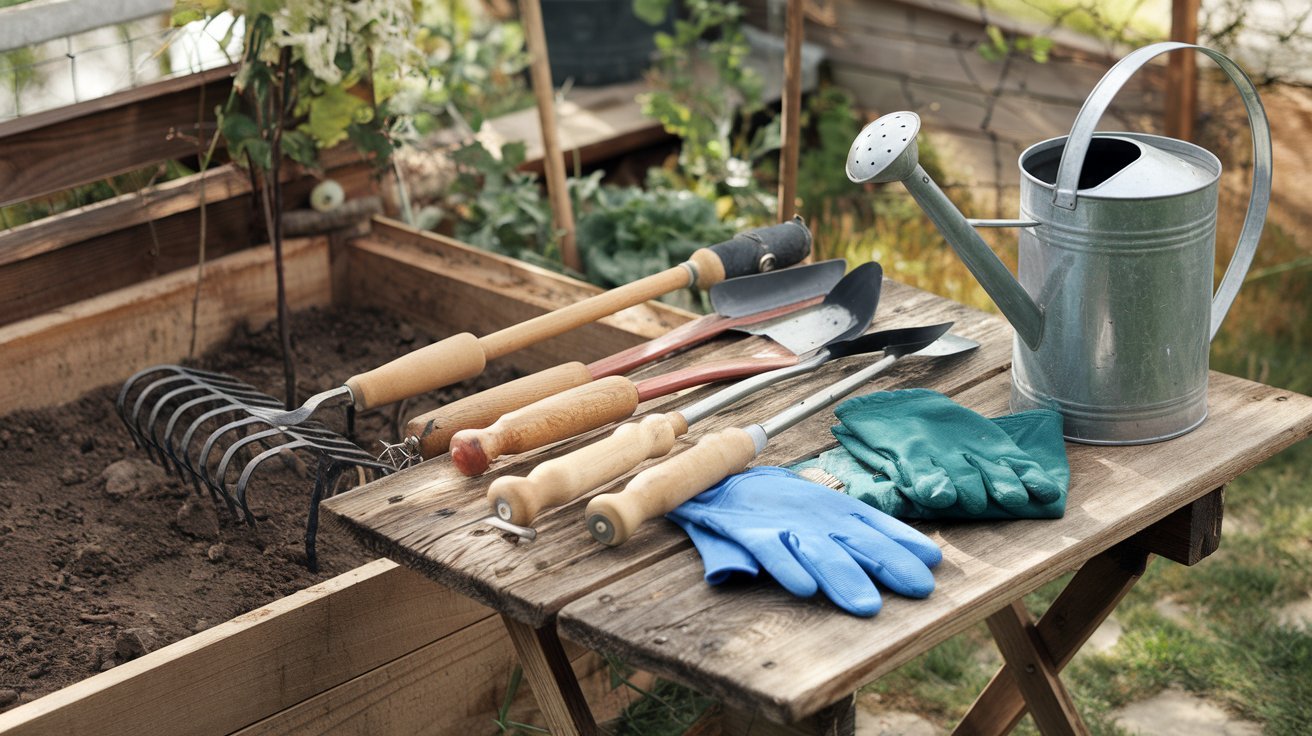
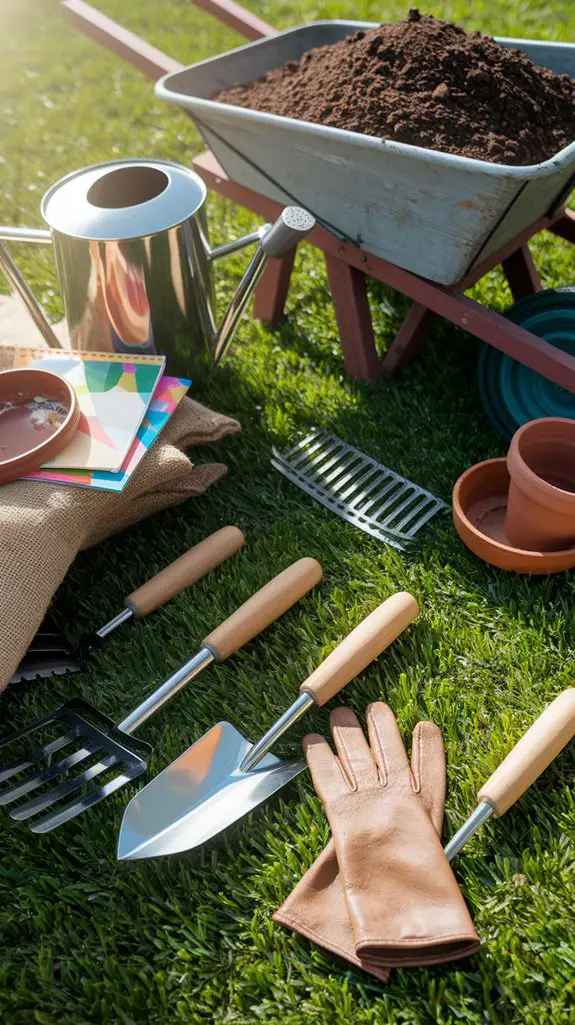
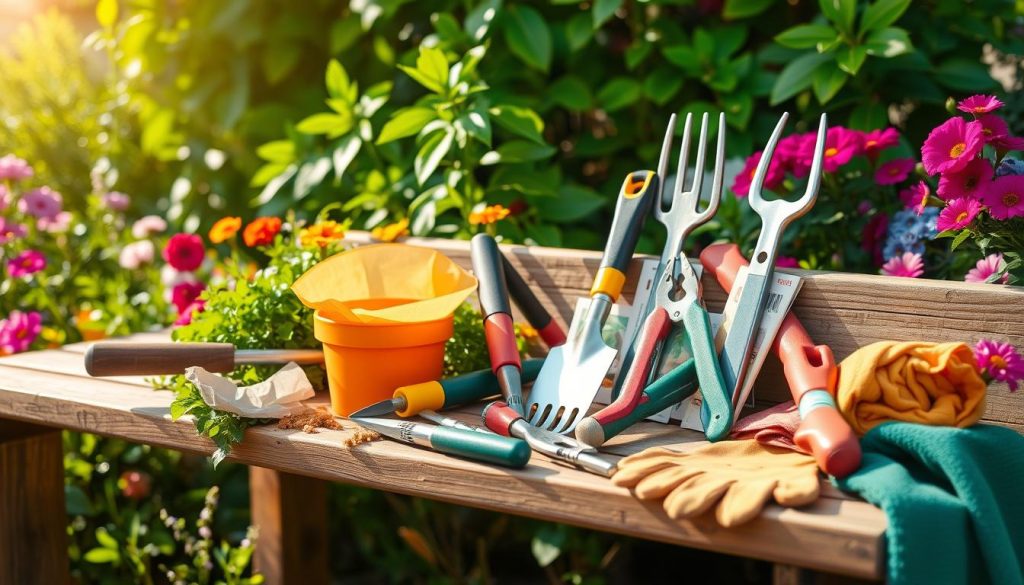
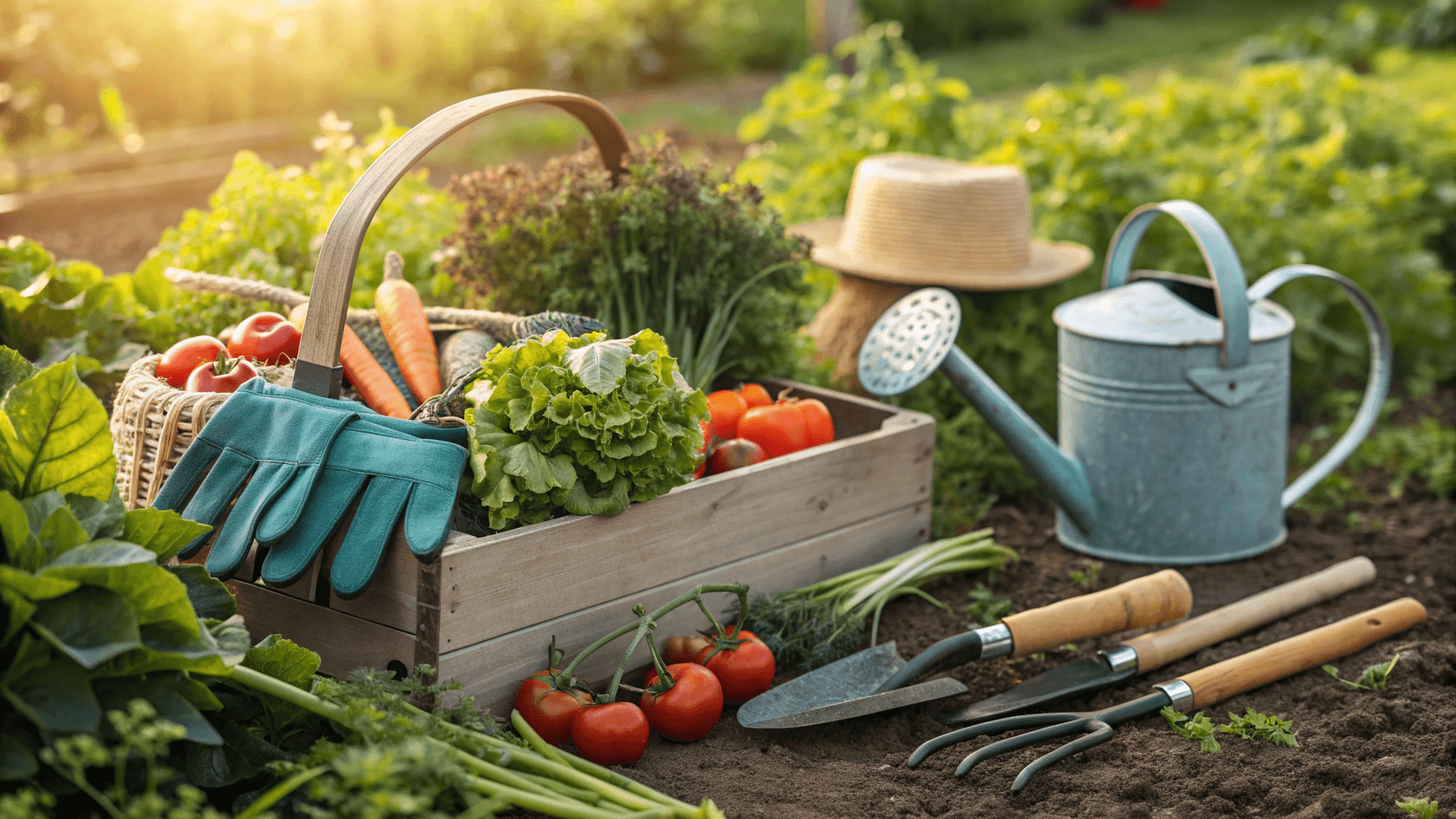
The essential tools for starting a small vegetable garden are a hand trowel, garden fork, hand pruners, watering can or hose with a gentle spray nozzle, garden gloves, a weeding tool, and a measuring tool. Add a shovel or rake when your soil and garden size call for them. Start with a few sturdy tools that suit your space instead of buying a large kit.
Starting a vegetable garden in the United States can be as simple as planting tomatoes in a raised bed, growing lettuce beside a patio, or setting up a few containers on a sunny balcony. You do not need a shed full of gear to get fresh vegetables from your own yard. A small collection of useful tools can help you prepare the soil, plant seeds, water crops, and keep weeds under control.
The best tools depend on where you plan to grow food. A gardener in a compact suburban yard may need a hand trowel and watering can, while someone working with a large in-ground bed may also need a shovel, digging fork, and wheelbarrow. Soil type, bed size, climate, and the crops you choose all affect what is worth buying.
This guide explains which tools matter most, what each one does, and when you can skip it. It also covers budget-friendly alternatives, basic care, safe use, and common buying mistakes. The goal is to help you build a practical garden without spending money on tools that will sit unused in the garage.
Before buying anything, choose a sunny growing spot, check how you will reach the plants, and decide whether you will grow in containers, raised beds, or the ground. These choices will shape your tool list more than any prepacked gardening kit.
Source: gardengrowthguru.com
1. Start With the Tools You Will Use Most
A small vegetable garden needs tools for four main jobs: preparing the growing area, planting, watering, and routine care. Most beginners can handle these jobs with a few hand tools and one reliable way to supply water. Larger tools become useful when the garden expands or the ground needs more work.
Think of your tools as helpers, not a checklist you must complete before planting. A person growing herbs and lettuce in containers will have different needs from someone turning an unused lawn into a long vegetable bed. Buying for your actual garden helps prevent clutter and keeps costs under control.
For a first garden, begin with the core items below. You can add a full-size shovel, rake, or wheelbarrow after you see what the space requires.
Source: inspiredlivingideas.com
Hand trowel
Use it to dig small planting holes, transplant seedlings, and move small amounts of potting mix or compost.
Garden gloves
Choose a comfortable pair that protects your hands from rough soil, splinters, and minor scrapes without making it hard to handle seeds.
Watering can or hose nozzle
A gentle flow lets you water young plants without washing seeds away or flattening tender seedlings.
Hand pruners
Use clean, sharp pruners for suitable soft stems, removing damaged growth, and harvesting crops that need a neat cut.
Weeding tool
A hand hoe, small cultivator, or narrow weeder helps remove young weeds before they compete strongly with vegetables.
Ruler or measuring tape
Measure plant spacing, row distance, container size, and bed dimensions instead of guessing.
How many tools do you need at first?
For a few containers or a small raised bed, four or five well-chosen items may be enough: a trowel, gloves, a watering tool, and a simple weeding tool, with pruners added when needed. If you are planting a new in-ground bed, plan for more digging and soil moving. You may need a spade, digging fork, rake, and perhaps a wheelbarrow.
The useful question is not how many tools a gardener should own. It is whether each tool solves a task you will actually perform. If a kitchen measuring cup can help you measure a small amount of fertilizer according to its label, you do not need a separate measuring scoop just for that job.
For containers
Prioritize a trowel, watering can, gloves, and a small tool for removing weeds.
For raised beds
Add a hand cultivator and pruners. A full-size shovel may be unnecessary if the bed is already filled.
For in-ground beds
Consider a digging fork or shovel, a rake, and a wheelbarrow if you need to move soil or compost.
2. Choose a Hand Trowel for Planting and Transplanting
A hand trowel is one of the most useful tools for a small vegetable garden because it handles many small jobs. Its scoop-shaped blade can open holes for seedlings, move potting mix, and help lift young plants from a nursery pot. It is often the first tool a beginner reaches for during planting.
Look for a blade that feels sturdy when you press it into soil and a handle that sits comfortably in your hand. A smooth, secure handle can make repeated planting easier. A narrow blade works well in crowded containers, while a wider scoop moves more soil at once.
Blade material affects care and durability. Stainless steel resists rust, while carbon steel can be strong but needs to be dried after use to reduce corrosion. Neither material makes a tool automatically better for every gardener; construction, fit, and care also matter.
Source: tillgarden.com
Best uses
Planting tomato seedlings, setting out lettuce, mixing small amounts of compost into a planting hole, and filling containers.
What to check
Inspect the joint between the blade and handle. A loose or wobbly connection can make digging frustrating and may fail under pressure.
What to avoid
Do not use a thin trowel as a pry bar against hard rocks or compacted ground. Excessive force can bend the blade or injure your hand.
Trowel or transplanting tool?
A standard trowel is enough for most beginners. A narrow transplanting trowel can be helpful when you need to place small seedlings in tight spaces or measure planting depth, but it is an optional extra. If you only grow a few kinds of vegetables, there is little reason to buy several tools that perform nearly the same job.
When moving a seedling, make a hole wide enough for its root ball and handle the plant gently. Avoid pulling hard on the stem. Set the plant at the depth appropriate for that crop, firm the soil lightly around its roots, and water it in.
For small containers
A narrow trowel helps you work around nearby plants without disturbing their roots.
For larger seedlings
A standard trowel usually provides enough room to lift and place the root ball.
3. Use a Garden Fork or Shovel to Prepare Soil
Choose a digging tool according to your soil and the size of the area you need to prepare. A garden fork loosens soil and helps work through some clods with less slicing than a spade. A spade or shovel is useful for digging, moving soil, and cutting through turf when you create a new bed.
The terms fork, spade, and shovel are often used loosely, but their shapes differ. A digging fork has sturdy tines, a spade usually has a flatter blade suited to cutting and turning soil, and a shovel often has a scooped blade for lifting and moving material. A small garden may need only one of these tools.
If your soil is loose and already suitable for planting, you may not need to dig deeply at all. In established raised beds, adding organic matter at the surface and working carefully around existing roots may be more useful than turning the entire bed. Avoid digging wet clay soil because it can smear and form dense clods that are hard to break apart later.
Source: gardenlessons.com
Digging fork
Useful for loosening soil, lifting some root crops, and working through soil that needs aeration without repeatedly chopping it with a blade.
Spade
Useful for cutting into turf, making planting trenches, and preparing a new in-ground garden.
Shovel
Useful for moving compost, loose soil, mulch, and other bulk materials.
How to decide whether your soil needs digging
Start by checking the soil when it is moist but not soaked. A handful of garden soil should usually crumble when pressed rather than form a slick, sticky mass or a rock-hard lump. Soil texture varies, so this simple check is only a rough guide, not a formal soil test.
If you are starting in turf, you can remove the sod, build a suitable raised bed, or use a well-planned sheet-mulching method. Each method has trade-offs in cost, time, weed control, and access to suitable soil. For any new vegetable plot, check for buried utilities before digging and follow local requirements for utility marking.
If you are unsure about soil fertility or pH, use a soil test before adding large amounts of fertilizer or amendments. A shovel can move soil, but it cannot tell you what nutrients the soil lacks.
Loose, workable soil
Use a hand trowel for planting and avoid unnecessary digging.
Compacted soil
Use a digging fork or suitable spade when the soil is dry enough to work without smearing.
Wet, sticky clay
Wait for better conditions rather than forcing tools through soil that is too wet.
4. Keep Weeds Under Control With a Small Weeding Tool
A simple weeding tool can save time by removing unwanted plants while they are young. Small weeds are usually easier to pull or cut than established weeds with deep roots. Regular, brief checks often work better than waiting until weeds cover the bed.
For a compact garden, a hand cultivator, narrow weeder, or small hoe may be enough. A cultivator has short tines that loosen the surface, while a hoe cuts or uproots weeds with a blade. A narrow tool is useful around closely spaced vegetables, but you should work carefully to avoid damaging shallow roots.
No single tool removes every weed. Some weeds regrow from root fragments, while others spread by seed. Identify persistent weeds before choosing a removal method, and avoid cutting them into many pieces if their roots can sprout again.
Source: idyl.co.in
Hand cultivator
Loosens the soil surface and helps remove small weeds between rows or around established plants.
Hand hoe
Cuts small weeds near the surface and can be useful in a bed with clear planting rows.
Narrow weeder
Helps remove individual weeds from tight spaces, containers, and areas near young crops.
How to weed without harming vegetables
First, learn which plants are vegetables and which are weeds, especially when crops have just sprouted. Remove weeds while they are small and the soil is slightly moist. Use your fingers or a narrow tool near young plants, where a large hoe could damage roots or stems.
After weeding, consider adding a suitable mulch layer around established vegetables. Clean straw, shredded leaves, or another appropriate garden mulch can help limit weed growth and reduce moisture loss. Keep mulch away from stems when needed, and follow crop-specific guidance for seed germination and soil warming.
Avoid using a hoe or cultivator as a substitute for removing established perennial weeds. If a weed has a deep taproot or spreading underground stems, identify it and use a removal method suited to its growth habit.
Work shallowly
Cultivate only the surface needed to remove young weeds so you do not bring many buried weed seeds to the surface.
Protect plant roots
Leave a safe gap around seedlings and use your fingers when the tool cannot fit without touching the crop.
5. Choose a Watering Can or Hose With a Gentle Nozzle
A dependable watering tool is essential because vegetable seeds and young plants need consistent moisture to establish. A watering can works well for containers, balconies, and small raised beds. A garden hose with a gentle spray nozzle is often easier when you have several beds or a longer distance to cover.
Choose the tool that lets you control the flow without flooding the soil. A watering can with a fine rose attachment spreads water across a wider area, while an adjustable hose nozzle can provide a soft shower. Strong jets can expose roots, displace seeds, and damage tender leaves.
Water needs depend on the crop, soil, weather, container size, and stage of growth. A hot, windy afternoon may dry a small pot much faster than a deep bed. Instead of watering by a fixed schedule alone, check the soil and observe the plants.
Source: bestplaygroundsets.com
Watering can
A practical choice for small gardens, seedling trays, and containers. Choose a size you can lift comfortably when full.
Hose and spray nozzle
A useful option for several beds or a larger yard. Look for a nozzle that produces a soft shower and can shut off between tasks.
Soaker hose
Can deliver water near the soil surface along a row, although layout, water pressure, and maintenance affect how evenly it works.
How to tell when the garden needs water
Check the soil near the root zone rather than relying on the surface alone. The top layer can look dry while deeper soil still holds moisture. In containers, lift the pot if it is small enough to handle safely, or feel the mix near a drainage hole when practical.
Water slowly enough for the soil to absorb it. If water runs off the surface or pours out of a container almost immediately, check whether the mix has become dry and water-repellent or whether the soil is compacted. Apply water in stages when needed, allowing it to soak in between passes.
Where practical, water near the soil instead of spraying foliage late in the day. This can help keep leaves dry and reduce conditions that favor some plant diseases. Do not assume every leaf-wetting event causes disease; the risk depends on the crop, pathogen, weather, and length of time the leaves stay wet.
For seeds
Keep the seed zone evenly moist according to the crop's germination needs, using a gentle flow that will not wash seeds away.
For established plants
Water the root zone deeply enough to reach the active roots, then let the soil condition guide the next watering.
For containers
Check moisture more often during hot weather because limited soil volume can dry quickly.
6. Add Hand Pruners for Harvesting and Plant Care
Hand pruners are useful when your vegetables develop stems that are better cut than pulled. They can help harvest peppers, trim suitable damaged growth, and cut some tomato stems when pruning is appropriate for the variety and growing method. They are not essential for every crop, but many gardeners find them useful as the season progresses.
Bypass pruners have two blades that pass each other, making them useful for many clean cuts on live stems. Anvil pruners press a blade against a flat surface and may suit some dry or dead material, depending on the tool and stem size. For most routine vegetable garden tasks involving live stems, bypass pruners are a practical starting point.
Choose a tool that fits your hand and opens without excessive effort. The cutting capacity varies by model, so follow the manufacturer's limits rather than forcing the blades through a thick branch. A sharp tool needs less force and can make a cleaner cut.
Source: urbangardeningspace.com
Harvest cleanly
Cut suitable fruits or stems without tearing the plant or pulling on nearby branches.
Remove damaged growth
Trim damaged or diseased material when appropriate, and clean the blades between plants when disease spread is a concern.
Protect your hands
Keep fingers away from the cutting path and close or lock the blades before storing the tool.
Do you need pruners for every vegetable?
No. Lettuce, spinach, and many herbs can be harvested with suitable scissors or by hand, depending on the crop. Root vegetables such as carrots and radishes are usually lifted rather than cut from the plant. Peppers, eggplants, and some tomatoes can benefit from pruners or garden scissors when their stems are tough.
Pruning needs also differ among tomato types. Indeterminate tomatoes may be trained or pruned in some systems, while determinate types often need less pruning. Removing too much healthy foliage can reduce the plant's ability to support fruit, so learn the needs of each crop before cutting.
Clean between plants when needed
Remove soil and plant residue, then use an appropriate disinfecting method when a disease problem warrants it.
Do not force thick cuts
Use a tool designed for the stem size, and avoid using small hand pruners on branches beyond their stated capacity.
7. Use Gloves, a Measuring Tool, and a Garden Basket
Gloves protect your hands from rough soil, sharp edges, splinters, and irritating plant material. A measuring tape or ruler helps you follow seed packet spacing and check bed dimensions. A light basket or bucket keeps harvested produce and small tools together as you move around the garden.
These items are simple, but they can make everyday work easier. Gloves should fit well enough to let you handle small seeds and turn a trowel without losing your grip. A ruler can help measure planting depth, while a tape measure is better for laying out beds and rows.
A basket does not need to be a special gardening product. A clean household bucket or washable container can serve the same purpose, provided it is suitable for the job and does not have sharp edges. Keep harvest containers clean, especially when collecting produce that will be eaten fresh.
Source: tendra-app.com
Work gloves
Useful for digging, moving rough materials, and pulling weeds. Use a snug fit without loose fabric that could catch on tools.
Measuring tape or ruler
Helps space plants, measure planting holes, and plan beds. Follow crop-specific planting instructions rather than applying one depth to every seed.
Harvest basket
Keeps produce off the ground and makes it easier to carry vegetables into the kitchen.
Small bucket
Can collect weeds, hold hand tools, or move small amounts of compost.
Choose gloves for the task
Lightweight gloves are useful for planting and routine maintenance, while tougher gloves can help when handling rough sticks, thorny plants, or coarse materials. No glove protects against every hazard, so choose a type suited to the task. Replace gloves that have holes or worn palms when those defects reduce their protective value.
Wash reusable gloves according to the care instructions, especially after handling diseased plants or dirty materials. Let them dry fully before storing them. Keep them separate from clean kitchen towels and food preparation supplies.
For planting
Use flexible gloves that let you feel small seeds and handle delicate seedlings.
For rough work
Choose more durable gloves suited to moving rough wood, handling prickly plants, or carrying bulky garden materials.
8. Know Which Optional Tools Are Worth Adding
Optional tools become useful when they solve a real problem in your garden. A rake can smooth soil and gather debris, a wheelbarrow can move heavy materials, and a soil thermometer can help you check whether conditions suit a crop. None is a universal requirement for every beginner.
Before purchasing an extra tool, ask how often you will use it, whether you already own something that can do the job, and whether the tool suits your space. A small patio garden rarely needs a full-size wheelbarrow. A large in-ground plot may benefit from one because carrying repeated loads by hand can be tiring.
You can also borrow or rent bulky tools for a one-time project. This is often sensible when you are unsure whether vegetable gardening will become a long-term hobby. Once a tool proves useful over a full season, you can decide whether buying one makes sense.
Source: storage.googleapis.com
Garden rake
Useful for leveling loose soil, removing stones and debris, and spreading surface materials. Use the right rake type for the task.
Wheelbarrow or garden cart
Helps move compost, mulch, soil, and harvested produce when distances or loads make carrying difficult.
Soil thermometer
Measures soil temperature to help with crop timing when temperature is a key factor in germination or planting.
Watering wand
Provides reach and a gentle flow for plants in raised beds or containers that are awkward to reach with a standard nozzle.
Garden kneeler or pad
Can make low planting and weeding more comfortable. A stable seat or kneeler may be helpful, but it should not replace safe lifting practices.
Tools that beginners can usually skip
Electric tillers, elaborate soil meters, large sprayers, and specialized harvesting tools are rarely necessary for a small first garden. Some may be useful in specific situations, but buying them before you know your garden's needs can waste money and storage space. A simple soil test from a suitable laboratory can provide more useful information about fertility and pH than an inexpensive meter of uncertain accuracy.
You can also skip a large collection of duplicate hand tools. A sturdy trowel, a useful weeder, and suitable pruners often cover many routine jobs. Add a specialty tool only when a repeated task shows that your current setup is not working well.
Avoid buying by kit size
A large set is not necessarily better than a few well-made tools that match your garden.
Delay powered equipment
Try hand tools first in a small plot unless the ground, project size, or your physical needs clearly call for powered equipment.
9. Match Your Tool List to Your Garden Type
The growing space is one of the best guides to what you should buy. Container gardens have limited soil volume and tight working space, raised beds are often easier to reach without full-size digging tools, and in-ground gardens may require more soil preparation. Start by choosing the method, then build a tool list around its specific demands.
The table below offers a practical starting point rather than a strict rule. Existing tools, local soil conditions, and the crops you grow can change the list. A gardener who already owns a sturdy shovel and hose does not need to buy duplicates just to follow a beginner checklist.
Source: thebrownchair.com
Container garden
Prioritize a hand trowel, watering can, gloves, small weeder, and clean harvesting container.
Small raised bed
Use a trowel, hand cultivator, gloves, watering tool, pruners, and a ruler or tape measure. Add a shovel only if you need to move soil or rebuild the bed.
In-ground vegetable plot
Consider a spade or digging fork, rake, trowel, weeding tool, hose or watering can, gloves, and pruners.
Community garden plot
Choose compact tools that are easy to carry and store. Check the garden's rules before bringing powered equipment or applying soil amendments.
Example starter lists by garden size
Imagine you are growing lettuce, basil, and one tomato plant in three containers on a sunny patio. A trowel, watering can, gloves, and small scissors or pruners may cover most routine tasks. You can use a clean household container for harvests and a ruler for planting measurements.
Now imagine a 4-by-8-foot raised bed with tomatoes, beans, peppers, and leafy greens. You may want a hand cultivator for weeding, pruners for suitable stems, a hose with a gentle nozzle, and a small bucket for weeds. If the bed is already filled with suitable growing mix, a full-size digging tool may remain unnecessary.
For a new in-ground bed on an old lawn, the tool needs change. A spade or sod-cutting tool may help establish the bed, while a digging fork and rake can assist with soil preparation. You may also need a cart or wheelbarrow if you are bringing in compost or other approved soil amendments.
Buy for the next task
Start with tools needed to prepare and plant the garden. Add pruning or harvesting tools when the crops reach those stages.
Use what you own
A clean bucket, household ruler, or existing hose may meet a need without a new purchase.
10. Buy Garden Tools Without Overspending
You can start a small vegetable garden on a modest budget by purchasing tools in stages. Focus first on tools that perform frequent tasks, then add items that solve a problem you encounter. This approach also gives you time to learn which handle shapes, blade sizes, and tool weights feel comfortable.
Price alone does not show whether a tool will last. Check the handle, blade, joints, fasteners, and moving parts before buying. A simple design with replaceable parts may be easier to maintain than a complex tool that cannot be repaired, but repair options vary by brand and model.
Secondhand tools can be useful if they are structurally sound and safe to handle. Inspect wooden handles for cracks, metal parts for deep corrosion, and cutting tools for damaged blades or loose pivots. Clean used tools before bringing them into the garden, especially if their previous use is unknown.
Source: gardengrowthguru.com
Spend first on frequent-use tools
A reliable trowel, watering tool, and gloves are more useful to many beginners than a specialty gadget used once a season.
Check comfort
Hold the tool as you would during use. Consider weight, grip thickness, reach, and whether the handle feels secure.
Inspect construction
Look for solid joints, a secure blade, smooth movement, and no sharp burrs or loose parts that could cause injury.
Compare upkeep
Consider cleaning, sharpening, rust prevention, replacement parts, and storage before choosing between similar tools.
A simple starter budget
Tool prices vary by store, region, material, brand, and season, so a fixed national price list can become outdated quickly. Instead, set a total budget and divide it among the tasks your garden requires. Leave room for seeds or seedlings, suitable growing medium or soil amendments, and any containers or bed materials you still need.
A useful buying order is to obtain the tools needed for soil preparation and planting first, then add watering equipment if you do not already have a suitable source. Pruners, a harvest basket, and optional accessories can follow as the garden grows. If you can borrow a large shovel for one weekend, use that opportunity before buying one solely for a small project.
First purchase
A trowel, gloves, and a way to water gently.
Second purchase
A small weeding tool and suitable pruners if your crops need them.
Later purchase
A full-size digging tool, rake, cart, or other item based on actual garden work.
11. Use and Maintain Garden Tools Safely
Good tool care improves performance and reduces avoidable injuries. Clean soil and plant residue from tools after use, dry metal surfaces, and store sharp blades in a closed or covered position. Follow the maker's instructions for sharpening, lubrication, and repairs.
Inspect tools before each use. Do not work with a cracked handle, loose blade, damaged cutting edge, or jammed moving part. Replace a defective tool or repair it properly rather than trying to hold broken pieces together while working.
Wear footwear that protects your feet and has a stable sole. Use eye protection when a task can send chips, dust, or debris toward your face, and choose task-specific protective equipment for powered tools. Keep children and pets away from active digging, cutting, and soil-moving work.
Source: bestplaygroundsets.com
Clean after use
Brush away soil and plant material, wash when appropriate, and dry metal tools before storage.
Protect cutting edges
Keep pruners sharp according to the manufacturer's instructions, and close or lock the blades before putting them away.
Store securely
Keep sharp tools in a stable, dry place where blades and points cannot fall or be reached accidentally by children.
Lift sensibly
Keep loads manageable, bend at the hips and knees when appropriate, and avoid twisting while carrying heavy soil or compost.
Extra precautions for soil and compost
Soil and compost can contain microorganisms, and dust from dry materials may irritate the airways. Wear gloves when handling soil and compost, cover cuts, avoid raising dust, and wash your hands before eating or touching your face. If a task produces dust, dampen the material lightly when suitable rather than breathing airborne particles.
Use compost that has been prepared and handled appropriately for vegetable gardening. Do not assume that material described as natural or organic is free from contamination. Follow the product instructions and relevant local guidance, especially when handling manure-based amendments intended for food gardens.
Do not mix cleaning chemicals or use an unapproved chemical on a tool that will contact edible crops. For routine tool cleaning, remove debris and wash with soap and water when appropriate. If you need to disinfect a cutting tool because of a suspected plant disease, use a method suitable for the tool and follow the product label.
Keep hands clean
Wash with soap and water after handling soil, compost, or dirty tools and before preparing food.
Limit dust
Avoid working in strong winds with dry dusty materials and use suitable protection when exposure cannot be avoided.
12. Put Your Tools to Work in a Simple Planting Routine
A small, repeatable routine makes gardening easier than trying to complete every task in one long session. Before planting, gather your tools, check the soil, and confirm the spacing and depth listed for each crop. This reduces the chance of stopping midway to find a missing item or guessing at planting instructions.
The right order depends on whether you are planting seeds or transplants. Seeds need the correct depth and steady moisture for germination, while transplants need holes suited to their root balls and careful watering after planting. The crop's seed packet or reliable growing instructions should guide spacing, depth, and timing.
After planting, return to the garden for short checks. Look for dry soil, weeds, damaged leaves, and signs that seedlings have settled in. Early attention lets you correct small problems before they become harder to manage.
Source: tendra-app.com
Step 1: Check the site
Confirm that the area receives enough sun for your chosen crops and that water can reach it. Most fruiting vegetables need a sunny location, although exact needs differ by crop.
Step 2: Prepare the soil
Use a fork or spade only when needed, remove troublesome weeds, and incorporate suitable amendments based on soil conditions and test results.
Step 3: Measure the layout
Use a ruler or tape measure to plan rows, plant spacing, and container placement. Leave room to reach each plant without stepping into the bed.
Step 4: Plant carefully
Use the trowel to open holes or furrows, then follow crop-specific directions for seed depth or transplant placement.
Step 5: Water gently
Use a watering can or nozzle with a soft flow to moisten the root zone without exposing roots or washing seeds away.
Step 6: Maintain the bed
Remove young weeds, check moisture, and use clean pruners only where suitable. Harvest with clean hands or a suitable tool.
Signs that your setup is working
The garden is on track when seeds germinate within their expected range under suitable conditions, transplants begin producing new growth, and the soil holds enough moisture between waterings without remaining waterlogged. Some seedlings take longer than others, so check the crop instructions before deciding that germination has failed.
If plants wilt, first check soil moisture and recent weather rather than assuming they need fertilizer. Both overly dry and overly wet roots can cause wilting. If seeds fail to emerge, check planting depth, soil temperature, moisture, and seed age before replanting.
A tool problem often has a simple fix. If a trowel struggles in hard soil, wait for better moisture conditions or use a suitable digging tool. If water runs off the bed, slow the flow and apply it in stages. If weeds return quickly, identify the species and adjust your removal method or use suitable mulch.
Plants wilt after watering
Check whether the soil is waterlogged, whether drainage is poor, and whether roots have been damaged. Do not keep adding water without checking.
Seeds wash out
Use a finer spray, a watering can rose, or gentle watering around the seed zone.
Weeds return quickly
Remove young weeds more often, identify persistent root systems, and consider mulch where appropriate.
Tools feel awkward
Try a different handle size or tool weight, and stop using a tool that causes pain or cannot be controlled safely.
13. Common Tool-Buying and Gardening Mistakes to Avoid
The most common beginner mistake is buying tools before deciding what kind of garden to grow. Large equipment may be unnecessary for containers, while a small trowel alone may not be enough to establish a new in-ground plot. Plan the growing space first, then buy for the work you expect to do.
Another mistake is assuming that every gardening task requires a specialized tool. Household items can measure spacing, hold weeds, or carry produce when they are clean and suitable for the task. The important point is to use safe, reliable equipment that fits the job rather than collect items because they appear in a standard kit.
Poor tool care can also make simple work harder. Dirty blades may spread plant material, rusty joints may move poorly, and loose handles can fail under pressure. A quick check after each session helps you spot problems early.
Source: urbangardeningspace.com
Buying too much at once
Start with core tools and add specialty items only when a recurring need appears.
Choosing comfort last
A tool that is too heavy or has an uncomfortable grip may remain unused even if it is well made.
Ignoring soil conditions
Trying to dig wet clay or hard, dry soil can make work difficult and may damage soil structure or tools.
Watering too forcefully
A strong stream can move seeds and expose roots. Use a gentle flow for seedlings and newly planted beds.
Leaving tools outdoors
Rain and damp conditions can damage metal, wood, and moving parts. Clean and store tools in a dry place.
Using damaged tools
Stop using cracked handles, loose blades, and broken locking mechanisms until the tool has been repaired properly or replaced.
A better way to build your collection
Keep a short list of the tasks that take the most effort during your first few weeks. If weeding takes too long, a suitable hoe or mulch may help. If watering is difficult, a longer hose or watering wand may solve the problem. If moving compost is the main challenge, a garden cart could be more valuable than another hand tool.
This method links each purchase to an actual need. It also leaves room to change your setup as you learn which crops grow well in your climate and how much time you want to spend in the garden.
Observe
Notice which task is difficult, slow, or uncomfortable.
Compare
Check whether a different technique, tool you already own, or borrowed item can solve the problem.
Add only what helps
Choose a tool that addresses the task and fits your budget, storage space, and physical needs.
14. Quick Tool Checklist Before Your First Planting Day
A short checklist helps you prepare without overthinking the process. Gather the tools you need for your chosen garden type, check that each one works, and set aside a clean container for harvested produce. Make sure you can reach the growing area with water before you put plants in the ground.
Also check the crop's planting instructions, local growing season, and likely weather conditions. In much of the United States, planting dates differ widely between northern states, the Southeast, the Southwest, and coastal areas. A calendar that works in one state may be wrong for another, so use local extension guidance and crop-specific information.
If you are starting a vegetable garden for the first time, keep the first season manageable. A few well-cared-for plants teach more than a large bed that becomes difficult to water or weed. The right tools support good habits, but they cannot replace suitable light, soil, water, and timing.
Source: thebrownchair.com
Core tools
Hand trowel, garden gloves, a watering can or suitable hose nozzle, and a small weeding tool.
Useful additions
Hand pruners, ruler or tape measure, and a clean harvest basket or bucket.
For soil preparation
A digging fork, spade, shovel, or rake chosen according to the garden's size and soil condition.
Before starting
Check tools for damage, plan plant spacing, confirm the water supply, and review planting instructions.
The simplest next step
Choose one small growing area and list the tasks it needs: preparing the soil, planting, watering, and weeding. Match each task to a tool you own or can borrow. Buy only the missing items that are necessary to begin.
Once the plants are growing, let the garden guide future purchases. A new tool should make a real task easier, safer, or more accurate. That is a better measure of value than the number of items in a gardening kit.
Plan the space
Choose containers, a raised bed, or an in-ground plot before buying large tools.
Prepare the basics
Gather the trowel, watering tool, gloves, and weeder needed for planting day.
Grow and adjust
Watch how the garden responds and add tools only when a clear need develops.
Frequently Asked Questions
Q
What are the most essential tools for a beginner vegetable garden?
Start with a hand trowel, gloves, a watering can or hose nozzle, and a small weeding tool. Hand pruners and a ruler or measuring tape are useful additions for many gardens. If you are preparing a new in-ground plot, you may also need a digging fork or spade.
Q
Can I start a vegetable garden without a shovel?
Yes. A shovel is often unnecessary for containers and established raised beds. A hand trowel can handle small planting holes, and loose growing mix can be moved with a scoop or similar suitable tool. A shovel becomes more useful when you need to move large amounts of soil, remove turf, or prepare a new in-ground bed.
Q
Are expensive gardening tools better for beginners?
Not always. A moderately priced tool with a secure joint, comfortable handle, and suitable blade can serve a small garden well. Check the fit and construction rather than relying on price alone. Spend more when a specific feature, better repairability, or a comfortable design provides a clear benefit.
Q
Which gardening tools are best for raised beds?
A hand trowel, gloves, watering tool, hand cultivator, weeding tool, and hand pruners cover many raised-bed tasks. Because raised beds are often filled with loose growing medium, a full-size digging tool may not be needed. Add a rake or shovel if you need to level the surface or move soil and compost.
Q
Do I need a soil pH meter before planting vegetables?
No. A soil test is often a better starting point if you need reliable information about pH and nutrient levels. Local cooperative extension services may offer soil testing or explain how to submit a sample to a suitable laboratory. Avoid adding lime, sulfur, or large amounts of fertilizer without a clear reason based on your soil and crop needs.
Q
How should I clean vegetable garden tools?
Remove soil and plant residue after use, wash tools when appropriate, and dry metal parts before storage. Keep cutting tools sharp and lubricate moving parts according to the manufacturer's instructions. If a plant disease is suspected, clean and disinfect cutting tools with a method suitable for the tool and the situation.
Q
What tools do I need for a small balcony vegetable garden?
A balcony garden usually needs a small trowel, watering can, gloves, a narrow weeding tool, and a clean container for harvesting. A ruler can help with planting depth and spacing. Choose compact tools that fit your storage space, and confirm that containers have suitable drainage and that the balcony can safely support the intended loads.
Q
Should I buy a complete gardening tool set?
A set can be convenient if it includes tools you will actually use and each item is sturdy enough for its intended job. However, many large kits contain duplicate or low-use tools. Compare the contents with your garden plan and consider buying a few individual tools instead.
✦ Wrapping Up
Conclusion
Starting a small vegetable garden does not require a large collection of equipment. A hand trowel, gloves, a gentle watering tool, and a way to remove weeds will cover many early tasks. Hand pruners, a measuring tool, and a harvest basket can make later work easier, while a shovel, fork, or rake is worth adding when your soil and garden size call for it.
The smartest tool list is the one that fits your actual growing space. Containers and established raised beds often need fewer large tools than a new in-ground plot. Choose comfortable, sturdy items, learn how to use them safely, and keep them clean and dry after each session.
Focus on the growing basics as well as the equipment. Suitable sunlight, healthy soil or growing mix, crop-appropriate planting times, and steady watering matter more than owning every tool in a garden catalog. Start small, learn from each week of growth, and add equipment only when it solves a real problem.
💡 Key Takeaway
Before your first planting day, gather a hand trowel, gloves, a watering can or hose with a gentle nozzle, and a small weeding tool. Add a digging fork or shovel only if your site needs soil preparation, then use your garden's actual needs to guide future purchases.


.jpg "Ultimate Guide: Must-Have Tools for Successful Vegetable Gardening ...")





No comments:
Post a Comment