The home and garden are dedicated to improving and beautifying living spaces inside and out. This niche contains home essentials, lawn care and landscaping advice, and gardening techniques. It aims to help individuals create attractive, functional, and personalized environments, enhancing their homes and outdoor areas. Whether maintaining a lush lawn, cultivating a garden, or embarking on a DIY project, this niche provides valuable insights and inspiration to elevate your living spaces.
How to Choose Ear Protection for Noisy Yard Work: A Safe Guide
Choose ear protection based on the noise level of your yard tools, the fit of the protector, the time you spend working, and whether you need to hear important warning sounds. Look for a properly fitted product with a suitable Noise Reduction Rating (NRR), and use compatible protection when one layer is not enough.
A Saturday morning lawn care routine can expose your ears to more noise than you may expect. A gas lawn mower, leaf blower, string trimmer, chainsaw, or riding mower can produce loud sounds that make hearing protection a sensible part of your outdoor gear. In many American neighborhoods, these tools run close to homes, fences, driveways, and garden beds, so the noise may stay near your ears for long stretches.
The best way to choose ear protection for noisy yard work is to match the protector to the task rather than buy the thickest earmuffs you can find. Earplugs fit inside the ear canal, while earmuffs cover the outer ears. Both can help reduce noise when they fit correctly, but comfort, heat, sweat, compatibility with other safety gear, and the tool you use all affect your choice.
Hearing damage from loud sound can be permanent, and you may not feel it happening. The Occupational Safety and Health Administration (OSHA) uses an occupational noise exposure limit of 90 decibels on an eight-hour time-weighted average for general industry, while the National Institute for Occupational Safety and Health (NIOSH) recommends a more protective limit of 85 decibels over eight hours. These are workplace benchmarks, not a guarantee that every yard-work sound below a given number is harmless. For home use, the practical goal is to reduce loud exposure, wear protection consistently, and avoid relying on pain or ringing as a warning.
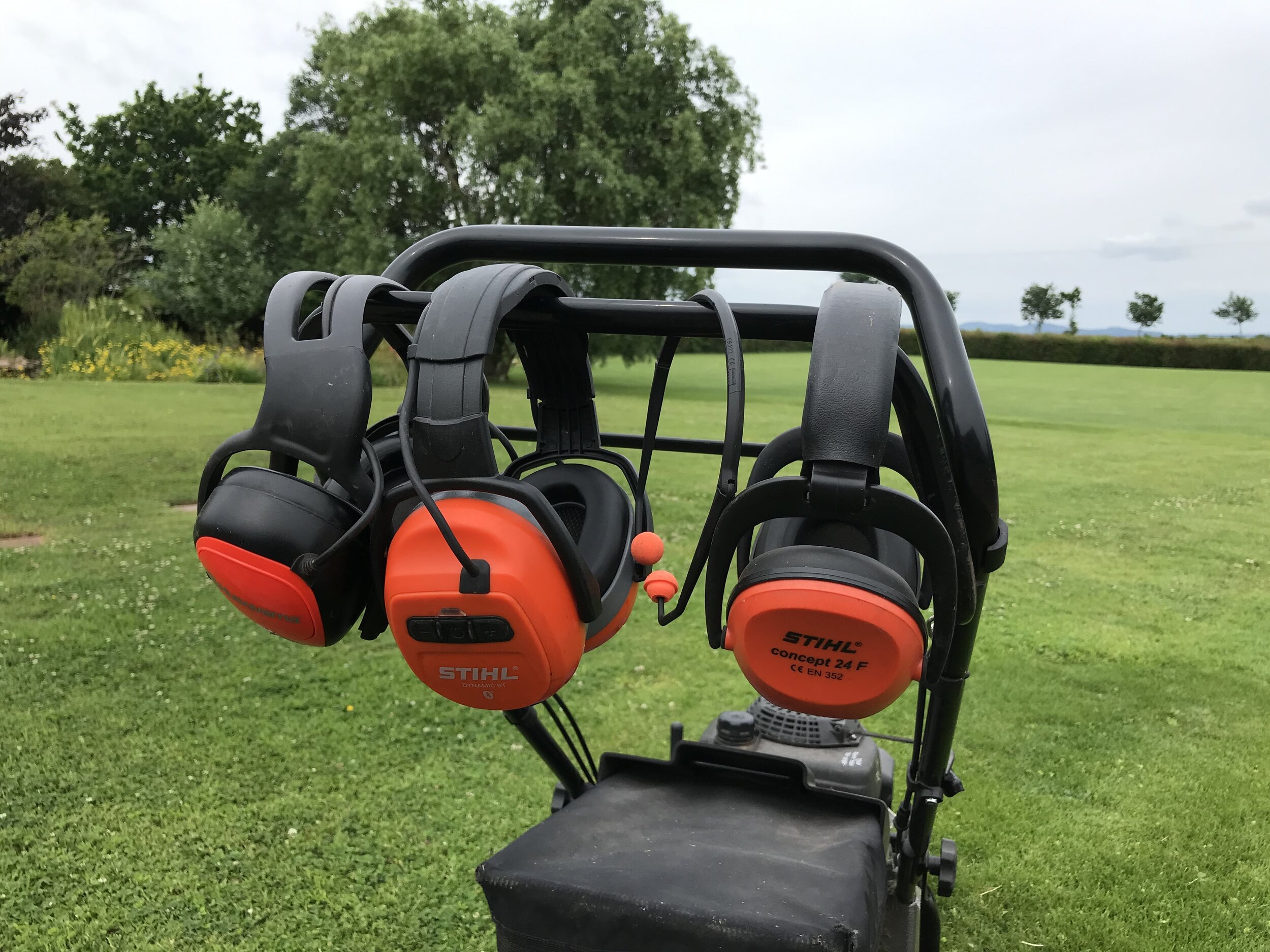
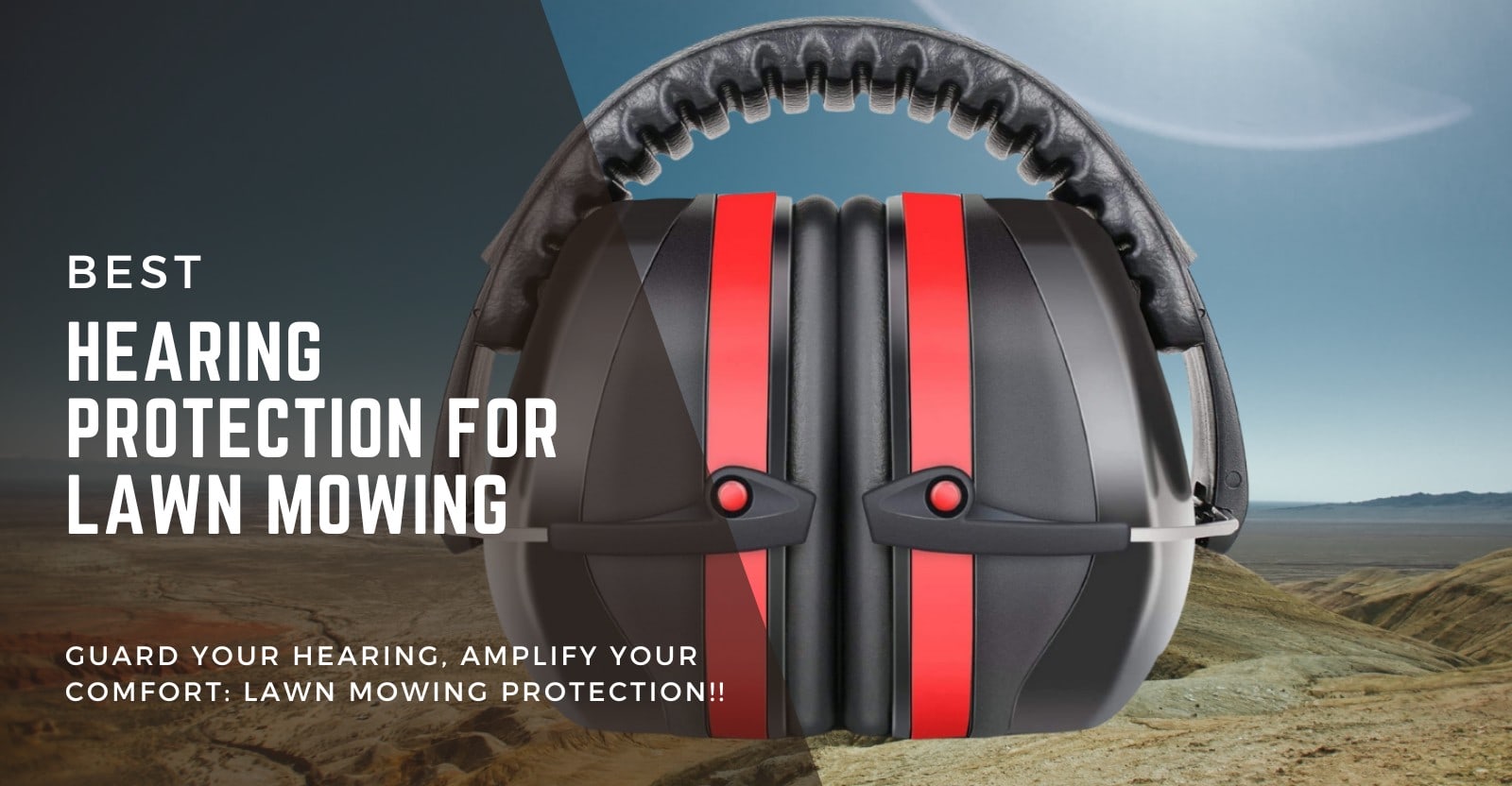
Source: lawnmowingbusiness.co.uk
Understand When Yard Work Needs Hearing Protection
Wear hearing protection when equipment creates loud, sustained, or repeated noise. Gas lawn mowers, leaf blowers, chainsaws, hedge trimmers, and some power tools can expose you to sound levels that may harm hearing, depending on the tool, distance, duration, and conditions. Even if you work in a small yard, the time spent beside a running motor can add up.
Noise level is measured in decibels, written as dB. The scale is logarithmic, which means a small numerical increase can represent a substantial increase in sound energy. A sound that seems only a little louder may create a much greater hearing risk, so do not judge exposure by how annoying it feels.
A common workplace reference is 85 dBA over eight hours, the NIOSH recommended exposure limit. The A-weighting, shown as dBA, adjusts a sound measurement to reflect the sensitivity of human hearing across different frequencies. Shorter exposures can still be risky at higher levels, and impulsive sounds need special care.
The sound produced by a tool varies with its design, maintenance, load, distance, and surrounding surfaces. A mower working in an open yard may sound different from one running beside a wall or under a covered patio. Treat equipment noise as a real hazard even if you have not measured it.
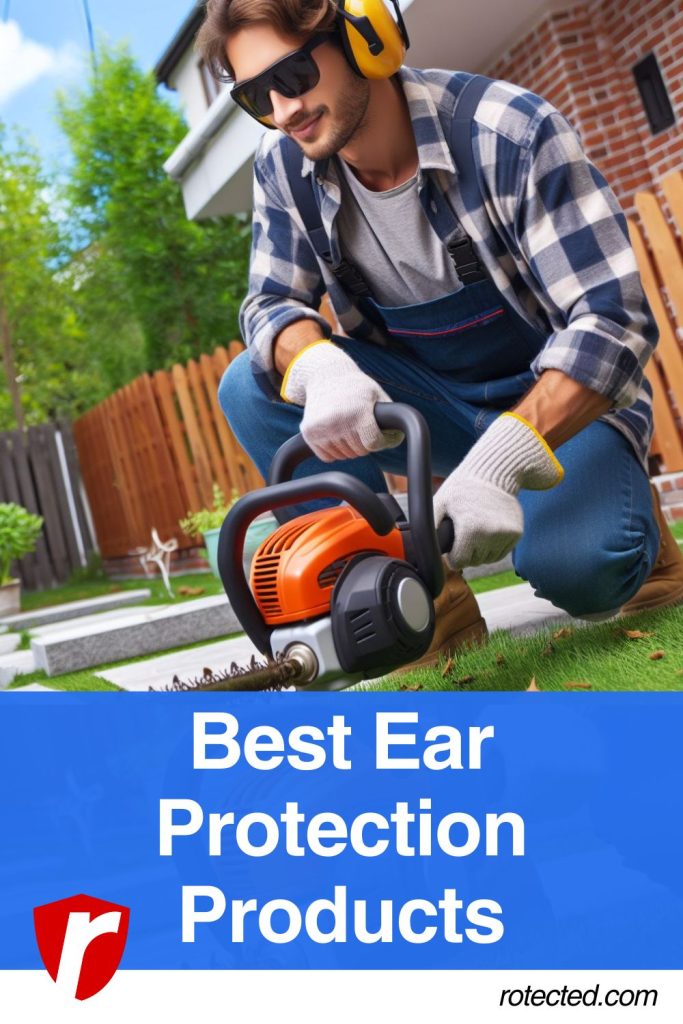
Source: rotected.com
Gas lawn mowers
Engine and blade noise can create a sustained exposure during mowing. Use hearing protection suited to the machine and the length of the job.
Leaf blowers and string trimmers
These tools can produce loud motor and airflow noise near the operator's ears. Wear protection throughout use, not only when the tool sounds especially loud.
Chainsaws and other cutting tools
These tools may produce high noise levels and can require hearing protection as part of a broader safety setup. Follow the tool manual and applicable safety guidance.
Electric tools
Electric equipment is not automatically quiet enough to use without protection. Check the manual, use a reliable noise assessment when needed, and protect your ears if exposure may be hazardous.
Do not use ringing ears as your warning system
Ringing, muffled hearing, or a feeling that your ears are blocked after yard work can signal harmful noise exposure. These symptoms should not be treated as a normal part of mowing or trimming. Stop the noisy activity, move to a quiet area, and avoid further loud sound. If symptoms persist, recur, or include sudden hearing loss, seek prompt medical care; sudden hearing loss requires urgent evaluation.
The absence of symptoms does not prove that your ears are safe. Noise-related hearing damage may develop gradually, so prevention is more useful than waiting for a warning.
Measure when uncertainty matters
A suitable sound level meter can help assess noise at the operator's position. Phone apps may offer rough screening, but their readings are not a substitute for calibrated measurements when accuracy is important.
Compare Earplugs, Earmuffs, and Dual Protection
The main choices are disposable or reusable earplugs, over-the-ear earmuffs, and a combination of both. Each can reduce sound, but none works well if it does not fit properly. Pick the style you can wear correctly for the entire task without repeatedly removing it.
Earplugs sit in the ear canal and usually leave the outer ear uncovered. They can be a good choice in hot weather, under some helmets, or when other gear makes earmuffs awkward. Earmuffs form a seal around each ear and are easy to put on and remove, but sweat, glasses, hair, and headwear can interfere with that seal.
Dual protection means wearing earplugs under earmuffs. It may be appropriate for very loud work, but the combined protection is not simply the sum of the two NRR figures. Follow a qualified noise assessment, the equipment manufacturer's guidance, or workplace hearing-conservation procedures when selecting protection for high-noise tasks.
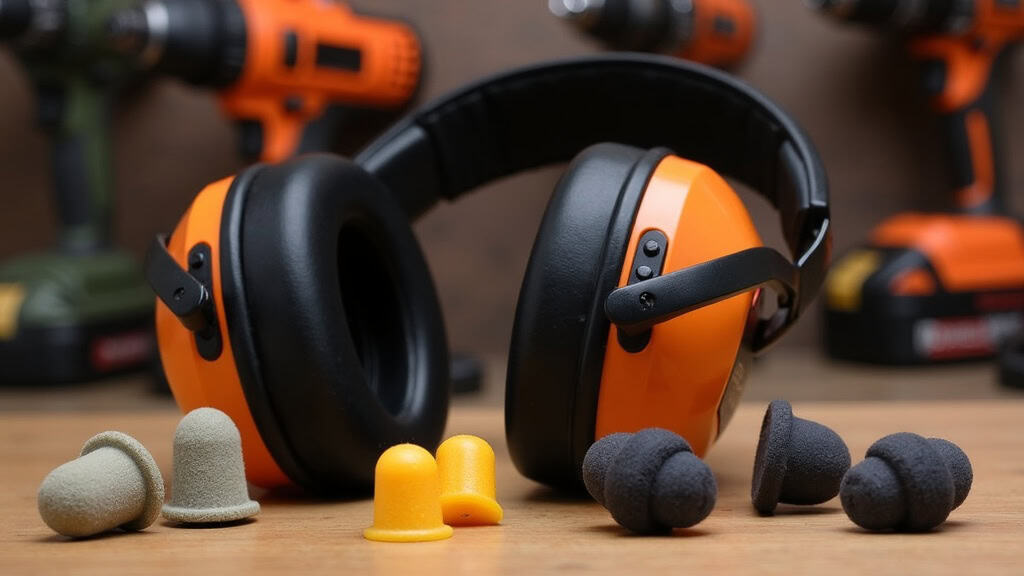
Source: www.pinterest.com
Disposable foam earplugs
These can provide substantial noise reduction when inserted correctly. They are usually inexpensive, but poor insertion can sharply reduce their effectiveness.
Reusable earplugs
Washable models can suit repeated use if they fit your ear canal and are cleaned according to the instructions. Replace them if they become damaged, stiff, or difficult to clean.
Earmuffs
These are easy to inspect and convenient for short jobs that involve frequent breaks. Their seal may be reduced by thick glasses arms, hats, or other objects beneath the cushions.
Electronic hearing protectors
Some models allow selected sounds or communication to pass through while limiting loud sound. Check the product's stated hearing-protection rating and intended use; electronics alone do not guarantee adequate protection.
Which type is better for hot or sweaty weather?
Earplugs are often more comfortable than bulky earmuffs on a hot summer day because they cover less skin. However, sweat on your hands or ear canal can make insertion harder, and dirty hands can contaminate plugs. Keep clean plugs available, dry your hands before handling them, and never force a plug into the ear.
Earmuffs may still be the better choice if you cannot insert earplugs reliably or need to remove protection often. Look for replaceable cushions and a headband that stays secure without excessive pressure. Comfort matters because protection left off during the loud part of the job provides no benefit.
Choose for real wear time
A product with a high rating that you remove often may offer less practical protection than a well-fitted, suitable product that stays on.
When is dual protection worth considering?
Use earplugs and earmuffs together when a qualified assessment indicates that one protector is not enough for the noise exposure. This can be relevant for very loud equipment or work performed close to a powerful motor. It is not a reason to skip a proper fit or to assume any two products provide a fixed combined rating.
If you are unsure whether a tool requires dual protection, check the manual and seek advice from an occupational safety professional or hearing-conservation specialist. For personal yard work, a measured exposure assessment is especially useful when you use loud machinery for long periods.
Do not add ratings together
The NRR values of earplugs and earmuffs cannot be added to calculate the protection you receive. Use established assessment methods and product guidance instead.
Learn How to Read the Noise Reduction Rating
The Noise Reduction Rating, or NRR, is a laboratory-based estimate of how much hearing protection a device can provide under specified test conditions. In the United States, the rating appears on many hearing-protection labels. A higher NRR generally indicates greater potential noise reduction when the device is used as intended, but it does not tell you exactly how much noise will reach your ears during yard work.
Actual protection depends on the product's fit, the wearer's ear shape, insertion technique, seal, and consistency of use. A foam plug that is only partly inserted may provide far less protection than its label suggests. An earmuff that sits over thick glasses arms may also lose part of its seal.
Do not select protection by NRR alone. Check that the product is designed for the task, fits you well, works with your other protective gear, and lets you perform the work safely. If you need a precise estimate of exposure at the ear, use the applicable measurement and calculation method rather than treating the package number as a direct subtraction from a sound meter reading.
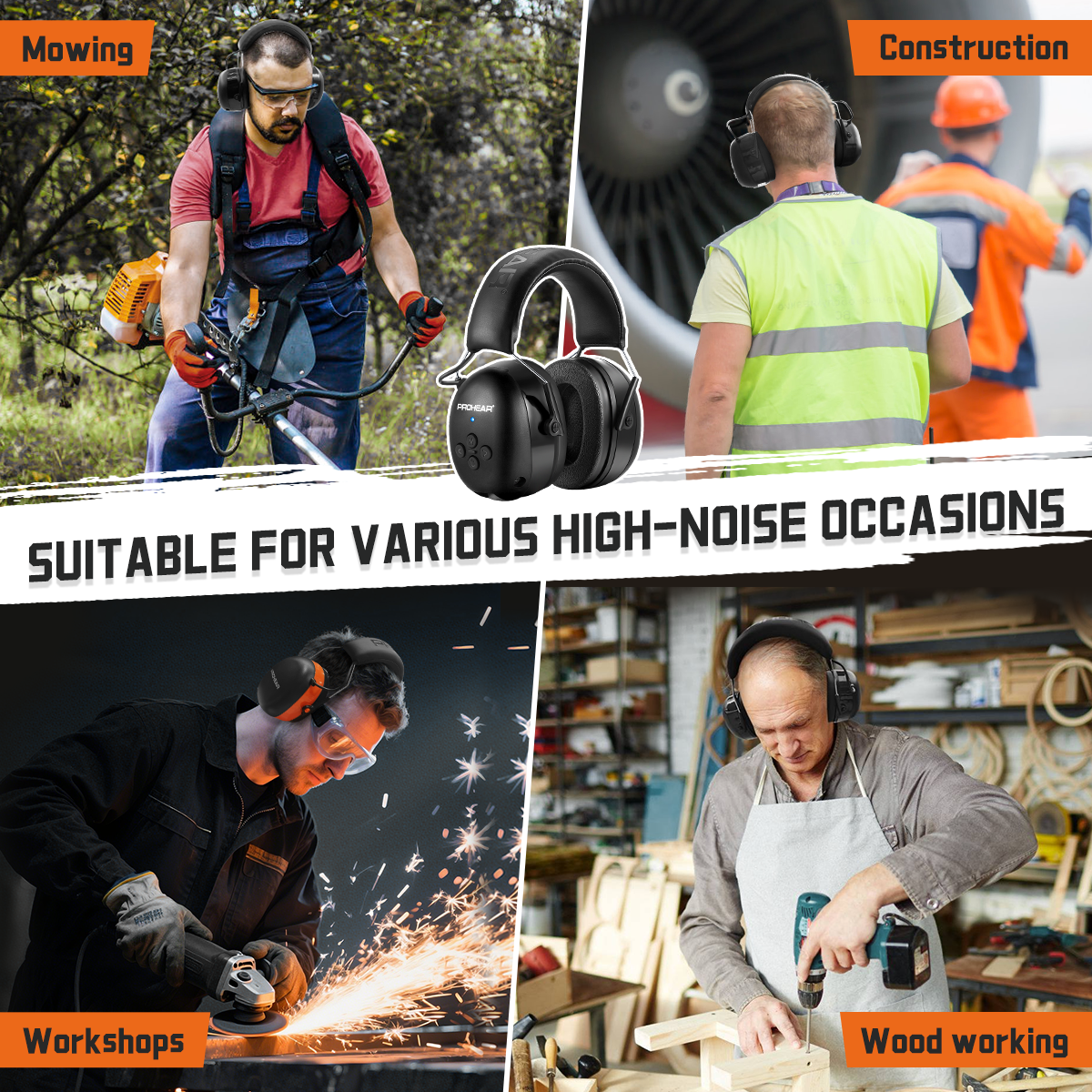
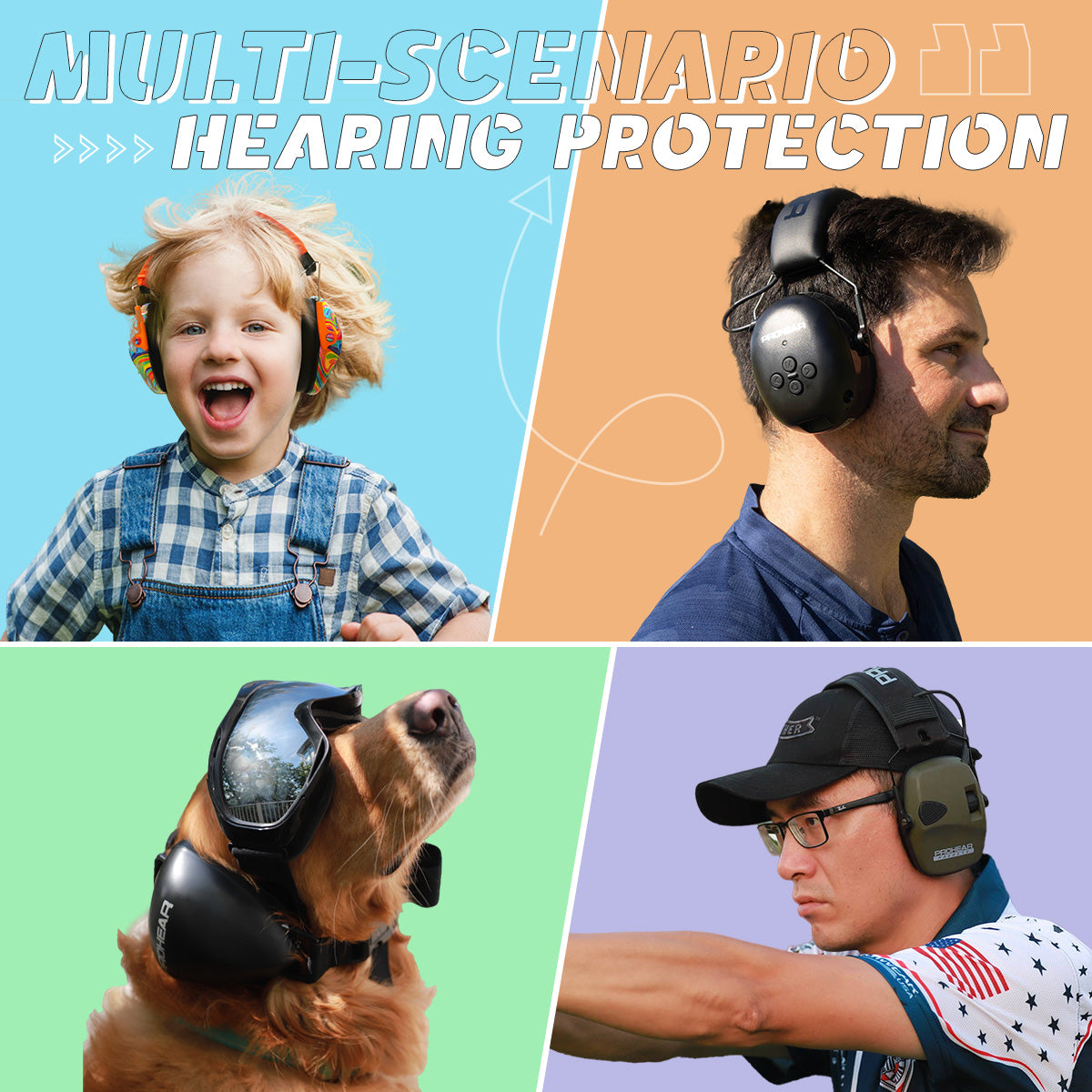
Source: prohearsafety.com
Check the full label
Look for the NRR, the intended use, fitting instructions, care guidance, and any limitations listed by the manufacturer.
Treat ratings as a starting point
A high rating is useful only if the protector fits and stays in place. Comfort, fit, and wear time are central to real-world protection.
Get help for demanding exposures
When the noise level is uncertain or potentially extreme, use a suitable noise assessment and qualified guidance instead of guessing from the label.
Why the NRR is not a simple decibel subtraction
A package rating comes from a controlled test, not a direct measurement of the noise reaching your ears while mowing. Sound measurement, frequency weighting, fit, and the method used to estimate protected exposure all matter. Some occupational guidance uses adjustments to estimate real-world protection from labeled ratings, but these adjustments are not universal substitutes for proper measurement.
For home users, the safest practical rule is to choose a suitable protector with a clearly stated rating, fit it according to the instructions, and wear it whenever the equipment is running and creating hazardous noise. If you need to verify that the protection is sufficient, seek a formal assessment.
Avoid false confidence
Do not assume a particular NRR guarantees a safe exposure for every mower, blower, or chainsaw. Noise levels and actual fit differ.
Choose Protection for Your Specific Yard Tool
Match your hearing protector to the tool, how close you stand to it, and how long you operate it. A quick trim with a small electric tool may call for a different setup from an extended session with a gas mower or chainsaw. When the manufacturer's instructions specify hearing protection, follow them even if the job seems brief.
Do not assume that battery-powered tools are automatically quiet or that a tool's advertised sound level represents every operating condition. The measurement distance, load, and test method can affect the stated value. Use the manual as a starting point and seek a reliable assessment if you regularly operate noisy equipment.
Your hearing protector must also fit with eye protection, a helmet, face protection, and other equipment required for the task. For example, a chainsaw setup may require a helmet, eye or face protection, hearing protection, and other protective equipment based on the job and the manufacturer's instructions. Do not sacrifice one safety measure to make another more comfortable.
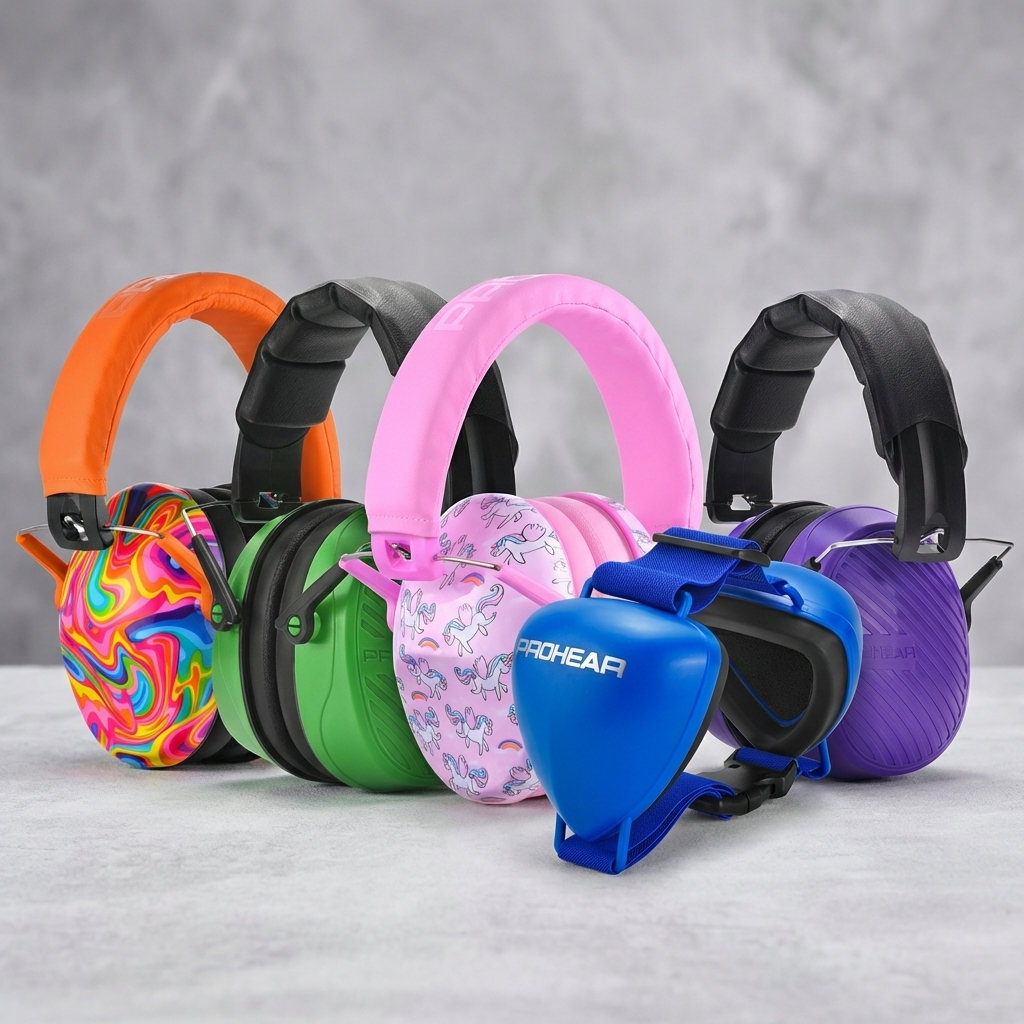
Source: twohappyears.com
For routine mowing
Use comfortable earplugs or earmuffs that suit the mower's noise level and your mowing duration. Check the fit before starting and keep protection on throughout operation.
For leaf blowing
Choose protection that stays secure while you move and turn your head. If you use a backpack blower, make sure straps and other gear do not disrupt the fit.
For string trimming and hedge cutting
Choose a protector that works with safety glasses and any required face protection. Earplugs may be useful where earmuff cups interfere with other gear.
For chainsaw use
Use the hearing protection specified for the equipment and task, together with the full required protective setup. Hearing protection does not replace chainsaw training, safe cutting practices, or other personal protective equipment.
Consider the length of the job
A short task does not automatically mean a harmless task. High noise can pose a risk even over relatively brief periods, so use protection whenever the exposure warrants it. Repeated short jobs can also add to your total daily noise exposure.
If you mow, blow leaves, trim hedges, and use power tools on the same day, think about the combined exposure rather than treating every task as a separate event. Take quiet breaks when practical, but do not use breaks as a substitute for suitable protection during noisy work.
Plan a quieter workflow
Group noisy tasks sensibly, maintain equipment, and avoid running several noisy tools at once when it is not necessary. Lower noise at the source whenever practical.
Get the Fit Right Before Starting the Machine
Correct fit is one of the biggest factors in how well hearing protection works. A poorly fitted high-rated product may protect less than expected, so take time to learn how to use it before you start the mower or blower. Read the package instructions and practice in a quiet setting.
Earplugs need a snug seal in the ear canal. Earmuffs need their cushions to sit fully around both ears without gaps. If a protector feels painful, keeps slipping, or cannot seal because of your other gear, choose a different size or style rather than accepting a poor fit.
Source: prohearsafety.com
Prepare clean hands and clean plugs
Wash and dry your hands before handling earplugs. Inspect reusable plugs for dirt or damage and clean them according to the manufacturer's instructions.
Check the earmuff seal
Move hair away from the cushions, position the cups over both ears, and check that the headband holds them securely. Avoid placing objects under the sealing surface.
Test your comfort
Wear the protector for a short period before the job. Adjust or replace it if pressure, pain, or movement makes it difficult to keep on.
How to insert foam earplugs
Most roll-down foam earplugs work best when you compress them into a narrow cylinder before insertion. Follow the instructions for the specific model because designs can differ. Do not cut plugs or push them in with a tool.
With clean, dry hands, roll the plug gently between your fingers until it is compressed. Reach over your head with the opposite hand to pull the outer ear up and back if the instructions recommend that technique. Insert the plug gently and hold it in place while it expands, then repeat on the other side.
The plug should sit securely without causing pain. If it springs back before you insert it, becomes dirty, or does not stay in place, start again with a fresh plug when the product is disposable. Never force a plug into the canal, and seek professional advice if you have ear pain, a history of ear surgery, or trouble fitting protection.
Check the fit
Compare the visible amount of each plug with the manufacturer's fitting guidance. A plug that sticks out too far may not be seated properly, but appearance alone cannot confirm a reliable seal.
How to fit earmuffs
Place the cups fully over the ears and adjust the headband so it holds them firmly without painful pressure. Check that the cushions touch the head all the way around. Glasses, long hair, hats, and helmet straps can create gaps, so check the fit again after putting on your other gear.
Replace cracked cups, worn cushions, or weak headbands according to the product instructions. If a cushion has become hard or flattened, it may no longer seal as designed. Never modify the cups or cushions in a way that changes the product's tested configuration.
Recheck after movement
Turn your head, bend, and move as you would during yard work. If the cups shift or lose contact with your head, adjust the fit or choose another model.
Balance Noise Reduction With Awareness and Communication
Hearing protection should reduce hazardous sound without creating avoidable risks during the task. When mowing, blowing leaves, or trimming, you may need to notice people approaching, vehicle movement, alarms, or a change in how a machine runs. Never assume you will hear every warning through a hearing protector.
The right approach is to plan for awareness rather than remove protection whenever you need to listen. Keep children, pets, and bystanders away from the work area, use clear visual signals when needed, and stop the machine before speaking with someone nearby. Do not operate equipment if the protection and noise make it impossible to maintain safe awareness of the surroundings.
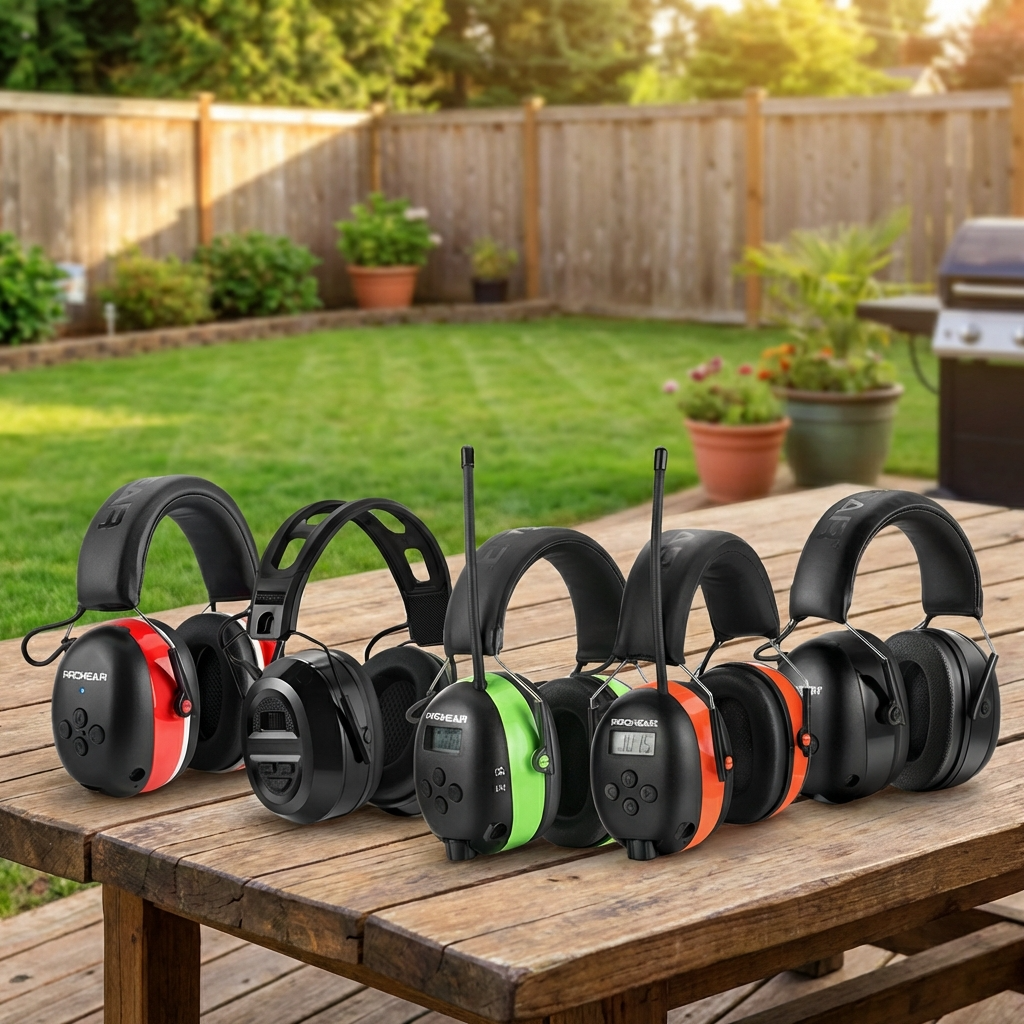
Source: geartrench.com
Electronic sound features
Some hearing protectors use microphones or level-dependent circuits to make selected low-level sounds easier to hear while limiting loud sound. Verify the product's actual protection rating and instructions before relying on these features.
Bluetooth audio
Bluetooth allows compatible devices to play audio or support communication, but it does not prove that the product offers adequate hearing protection. Check the stated NRR and keep audio at a safe level.
Active noise cancellation
Consumer headphones with active noise cancellation are not automatically certified or rated for occupational hearing protection. Do not use them as a substitute for a suitable hearing protector unless the product is specifically designed and rated for that purpose.
Communication with others
Stop the tool before holding a conversation or responding to a warning. Use agreed hand signals or other safe communication methods when appropriate.
What if you cannot hear warning sounds?
Do not solve the problem by repeatedly removing your hearing protection while the machine runs. First, stop the equipment and assess the work area. Improve visibility, keep other people at a safe distance, and use a suitable communication plan.
If you cannot maintain awareness of essential warnings while wearing the required protection, reassess the work method and equipment. A qualified safety professional can help identify an appropriate combination of protection and communication tools for demanding conditions.
Keep safety systems separate
Never rely on hearing alone to detect a hazard. Use the guards, safe operating procedures, clear sight lines, and protective equipment required for your tool.
Use a Practical Checklist to Compare Products
A short checklist makes it easier to compare hearing protectors without getting distracted by marketing claims. Start with the product's stated NRR and intended use, then assess fit, comfort, compatibility, maintenance, and whether the design meets your task's safety needs. A product is a poor choice if you cannot wear it correctly for the full period of exposure.
Do not pay extra for features you will not use if a simpler protector already meets the need. On the other hand, replaceable cushions, several plug sizes, or a secure fit may be worth more than an extra feature that does not improve the protection you need.
Source: prohearsafety.com
Noise rating
Choose a clear, documented NRR suitable for the exposure. Do not treat a rating as a guarantee of real-world performance.
Fit and size
Look for a style that seals well and stays secure. If possible, check sizing options and the return policy before purchase.
Comfort
Consider heat, sweat, pressure, and the length of the job. Comfort affects whether you will keep the protection on.
Compatibility
Check how the protector works with safety glasses, helmets, face shields, respirators, or other gear required for the task.
Care and replacement
Check how to clean the product, whether cushions or tips are replaceable, and how to identify worn or damaged parts.
Communication needs
If you need to communicate while working, look for suitable hearing protection designed for that use and confirm that it still provides the required noise reduction.
Simple decision table for common yard tasks
Use this table as a starting point, not as a substitute for measuring noise or following equipment instructions. The correct choice depends on actual sound exposure, fit, and the rest of your protective setup.
Routine lawn mowing
Consider well-fitted earplugs or earmuffs with a suitable documented NRR. Wear them for the full noisy task.
Hot-weather trimming
Earplugs may be more comfortable, provided you can insert and maintain them correctly and they work with your other protective gear.
Frequent short tasks
Earmuffs may be convenient to put on and remove, but do not leave them off during hazardous noise.
Very loud cutting work
Use the protection specified by the tool guidance and a suitable noise assessment. Dual protection may be needed in some circumstances.
Work requiring communication
Consider a properly rated communication protector and a safe plan for stopping equipment and handling warnings.
Maintain and Replace Hearing Protection
Clean and inspect hearing protection regularly so it can keep working as intended. Sweat, dirt, grass, dust, and sunscreen can build up on equipment during outdoor jobs. Follow the manufacturer's cleaning directions, since harsh cleaners or improper washing can damage materials or affect the fit.
Reusable earplugs should be cleaned and stored as directed. Disposable foam plugs should be discarded after use or sooner if the product instructions require it, especially when they become dirty, damaged, or difficult to compress. Never share earplugs unless the product is specifically designed for safe shared use and can be properly cleaned.
Inspect earmuff cushions, cups, and headbands before each use. Replace worn cushions, cracked components, or stretched headbands according to the manufacturer's schedule. Store the protector away from extreme heat, direct sunlight, and chemicals that may damage its materials.
Source: prohearsafety.com
Clean reusable plugs
Use only the cleaning method approved for the material. Let the plugs dry fully before storing them in a clean case.
Inspect earmuff cushions
Look for cracks, tears, hardening, flattening, or dirt that prevents a good seal. Replace service parts as directed.
Keep protection accessible
Store hearing protection near your lawn tools so you can put it on before starting work. Keep spare disposable plugs in a clean, dry container.
Do not modify the product
Avoid drilling, cutting, gluing, or changing parts in ways the manufacturer does not permit. Such changes can undermine the product's design and performance.
Know when a protector needs replacement
Replace a protector when it is damaged, no longer seals, cannot be cleaned properly, or fails to stay in place. Follow the manufacturer's stated service life for cushions and other replaceable parts. There is no single replacement interval that applies to every product and every use pattern.
If you experience new discomfort or your usual plugs no longer fit, try a different size or style. Persistent ear pain, recurring irritation, drainage, or a feeling that the ear canal is blocked deserves medical advice rather than repeated attempts to force the same product into place.
Check before every job
A quick visual inspection and fit check can catch obvious problems before the equipment starts.
Common Mistakes to Avoid
The most common mistake is choosing hearing protection by appearance or price alone. A comfortable, inexpensive protector can be a sensible option if it provides appropriate protection and fits correctly, while a premium model may still be unsuitable if it does not seal well. Focus on documented performance and how the protector works for your actual task.
Another mistake is wearing protection only when a tool sounds especially loud. Noise exposure changes with distance, workload, and surroundings, and hearing damage does not always cause immediate symptoms. Put protection on before starting equipment and keep it in place until the noisy task has ended and the machine is safely stopped.
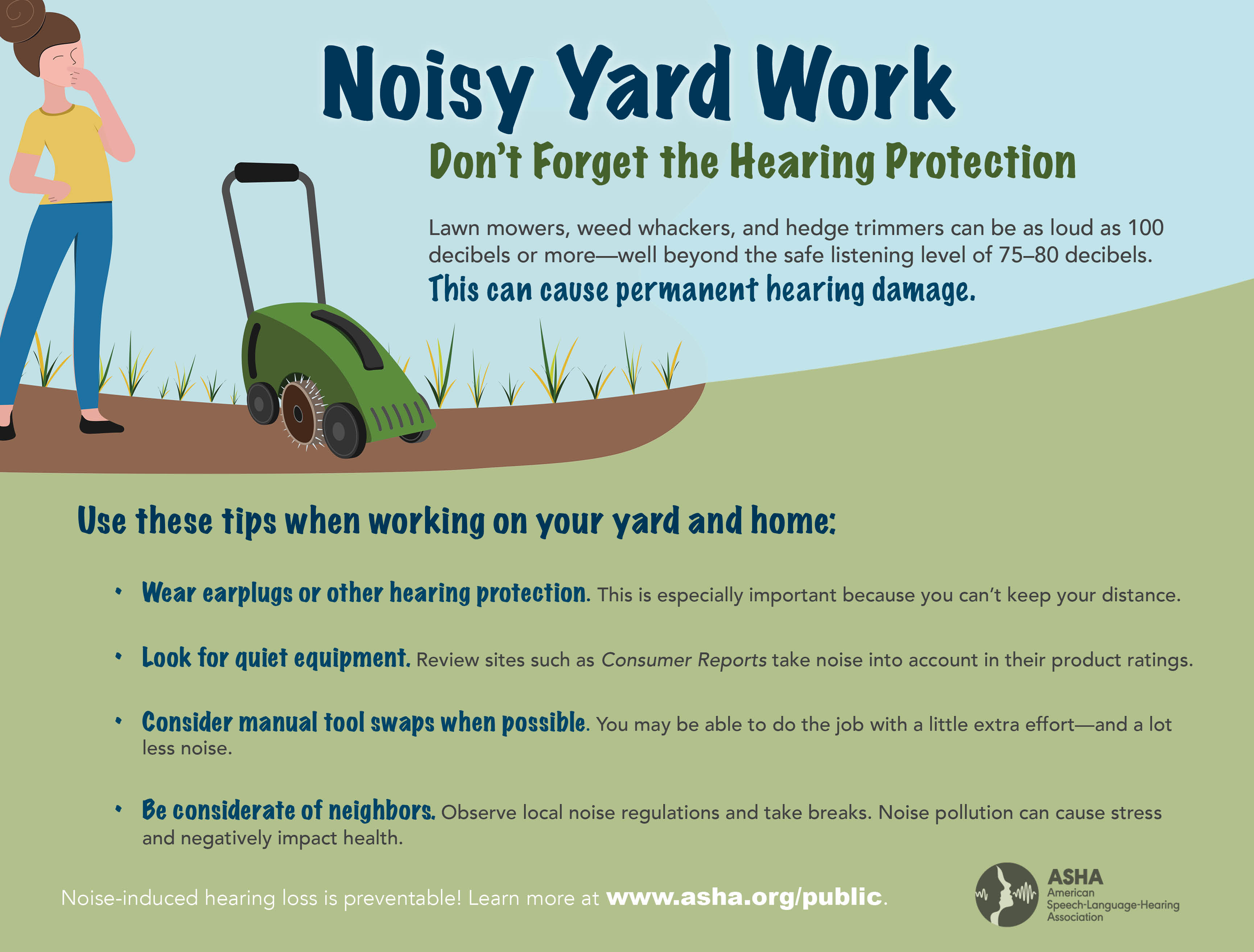
Source: www.asha.org
Relying on noise-cancelling headphones
Consumer audio headphones are not a substitute for a hearing protector with a suitable documented rating.
Choosing a high NRR without checking fit
A high label value cannot make up for poorly inserted plugs or earmuffs that leak around the cushions.
Removing protection to talk
Stop the machine before communicating. Plan for safe communication rather than exposing your ears to hazardous noise.
Ignoring other protective equipment
A hearing protector must work with required eye, face, head, and respiratory protection. Check the complete setup before work begins.
Using damaged or dirty gear
Worn seals and contaminated plugs may affect performance or irritate the ear. Clean, inspect, and replace parts as directed.
Assuming short tasks are always safe
High sound levels can pose a risk over short periods. Use appropriate protection whenever the exposure warrants it.
What to do if your protection does not seem to work
If the equipment still seems painfully loud, stop the task safely and move away from the noise. Check whether the plugs are inserted properly or the earmuff cushions have a complete seal. Do not keep working on the assumption that a high NRR makes every exposure safe.
If the fit is correct but the sound remains concerning, the protector may not provide enough reduction for the task, or the noise may be greater than expected. Review the equipment instructions and seek a qualified noise assessment. Do not attempt to fix the problem by modifying the protector.
Stop and reassess
Turn off the machine when it is safe to do so, check the fit, and confirm whether the selected protection is suitable for the tool and task.
Build Hearing Protection Into Your Yard Work Routine
The easiest way to protect your hearing is to make the gear part of the routine, just like checking the mower, putting on safety glasses, or clearing people from the work area. Keep a clean pair of earmuffs or a supply of suitable earplugs with your yard tools. Put them on before starting the engine or motor.
Maintain equipment and replace worn parts because faulty or poorly maintained tools may create avoidable noise. When practical, choose quieter tools and work methods, keep a safe distance from other running machines, and avoid unnecessary simultaneous operation. These steps reduce exposure at the source instead of relying only on personal protective equipment.
After the job, remove your protection in a quiet place, clean reusable gear as directed, and store it ready for next time. Pay attention to persistent ringing, muffled hearing, or difficulty understanding speech. Early action is better than waiting for a problem to become part of daily life.
Source: prohearsafety.com
Before work
Check the tool, inspect your hearing protection, put on compatible safety gear, and keep children and pets away from the operating area.
During work
Keep hearing protection fitted, stay alert to hazards through safe work practices, and stop the machine before talking or adjusting equipment.
After work
Clean and store reusable protection, discard used disposable plugs as directed, and seek care if hearing symptoms persist or suddenly develop.
When to seek professional advice
Seek help from an occupational safety professional or hearing-conservation specialist if you regularly use loud machinery, cannot determine whether your protection is sufficient, or need to combine hearing protection with other complex gear. A qualified professional can help assess exposure and identify suitable options.
Consult a healthcare professional for ongoing ear pain, recurring irritation, or hearing changes. Sudden hearing loss, especially in one ear, needs urgent medical assessment. Do not assume a sudden change will resolve on its own.
Make the next step specific
Identify your loudest tool, review its manual, choose a correctly fitting rated protector, and arrange a noise assessment if the exposure remains uncertain.
Frequently Asked Questions
Q
What is the best ear protection for mowing the lawn?
The best choice is a properly fitted earplug or earmuff with a documented NRR suitable for your mower's noise exposure. Earplugs can be comfortable in hot weather, while earmuffs are easy to put on and inspect. Follow the mower's manual and wear protection throughout the noisy task.
Q
Are earplugs or earmuffs better for yard work?
Neither type is always better. Earplugs are compact and can work well with helmets and other gear, but they need correct insertion. Earmuffs are easier to put on and remove, but heat, glasses, hats, and hair may affect their seal. Choose the style you can fit correctly and wear consistently.
Q
Is an NRR of 30 enough for lawn mowing?
An NRR of 30 does not guarantee adequate protection for every lawn mower or every user. Actual protection depends on measured noise, fit, the rating's test conditions, and how consistently you wear the device. If exposure may be high or prolonged, use a suitable assessment and qualified guidance instead of relying on the label alone.
Q
Can I use noise-cancelling headphones instead of hearing protection?
Do not assume ordinary noise-cancelling headphones protect your hearing during yard work. Active noise cancellation is an audio feature, not proof that a product is designed or rated as a hearing protector. Use a product with a documented hearing-protection rating suitable for the task.
Q
Should I wear earplugs and earmuffs together?
Dual protection can be appropriate when noise exposure is very high or a qualified assessment calls for added reduction. The two NRR values cannot simply be added together, and using both may not be necessary for every yard task. Follow equipment instructions and obtain a suitable noise assessment when you are unsure.
Q
Can a lawn mower damage hearing even if my ears do not hurt?
Yes. Harmful noise does not always cause pain, ringing, or immediate hearing changes. Repeated exposure can contribute to permanent hearing loss, so use suitable protection before symptoms appear. If ringing or muffled hearing develops, stop the exposure and seek medical advice if symptoms persist or recur.
Q
How often should I replace earplugs and earmuffs?
Follow the manufacturer's instructions rather than using one replacement schedule for every product. Replace disposable plugs as directed and discard them sooner if they become dirty or damaged. Clean reusable plugs as instructed, and replace earmuff cushions or other parts when they wear out or no longer seal properly.
✦ Wrapping Up
Conclusion
Choosing ear protection for noisy yard work starts with the tool, the noise exposure, and a protector that fits correctly. Earplugs and earmuffs can both help, but their performance depends on proper use, a good seal, and wearing them throughout the noisy task. A documented NRR is a useful starting point, not a guarantee of the protection you will receive.
For routine mowing, trimming, and blowing, choose suitable rated protection that works with your other safety gear and feels comfortable enough to keep on. For very loud work or uncertain exposure, consult the equipment instructions and seek a qualified assessment. Do not rely on consumer noise-cancelling headphones, discomfort, or ringing ears to judge whether a task is safe.
💡 Key Takeaway
Before your next yard job, identify your loudest tool, check its manual, choose hearing protection with a suitable documented NRR, practice fitting it correctly, and inspect it before each use. If noise exposure remains uncertain, arrange a reliable assessment rather than guessing.



No comments:
Post a Comment