The home and garden are dedicated to improving and beautifying living spaces inside and out. This niche contains home essentials, lawn care and landscaping advice, and gardening techniques. It aims to help individuals create attractive, functional, and personalized environments, enhancing their homes and outdoor areas. Whether maintaining a lush lawn, cultivating a garden, or embarking on a DIY project, this niche provides valuable insights and inspiration to elevate your living spaces.
What to Look for in a Comfortable Garden Watering Wand: Buying Guide
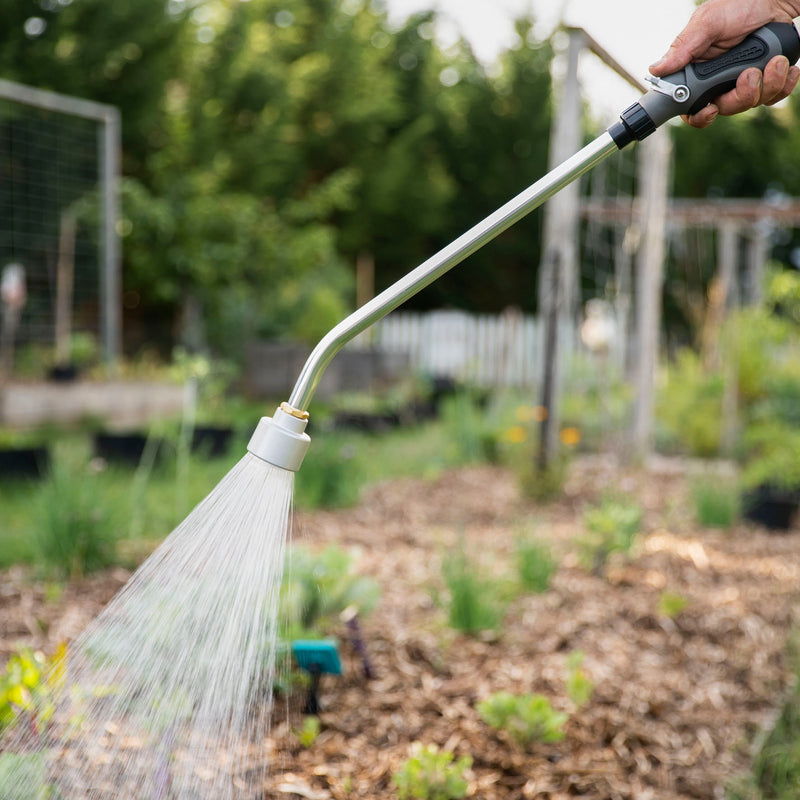
A comfortable garden watering wand should have a light body, a secure grip, enough reach for your plants, a gentle spray, and a trigger or valve that is easy to control. The best design lets you water your garden without bending, stretching, or tiring your hand.
From backyard vegetable beds in Texas to hanging baskets on a Michigan porch, a good watering wand can make routine plant care easier. Many American gardeners use them to water raised beds, flower borders, patio containers, shrubs, and plants tucked beneath leaves. A well-chosen wand helps direct water where it belongs while keeping your hands and body in a more natural position.
Comfort depends on more than a soft handle or a long metal tube. The wand's weight, balance, grip shape, spray head, trigger force, and water flow all affect how it feels during use. A tool that works well for a few pots may feel awkward when you water a large vegetable garden every morning.
Before buying one, think about the plants you water, the height of your containers, and how long each watering session lasts. You should also check the hose connection, available spray settings, and ease of maintenance. These details help you choose a wand that fits your garden rather than forcing your body to adjust to the tool.
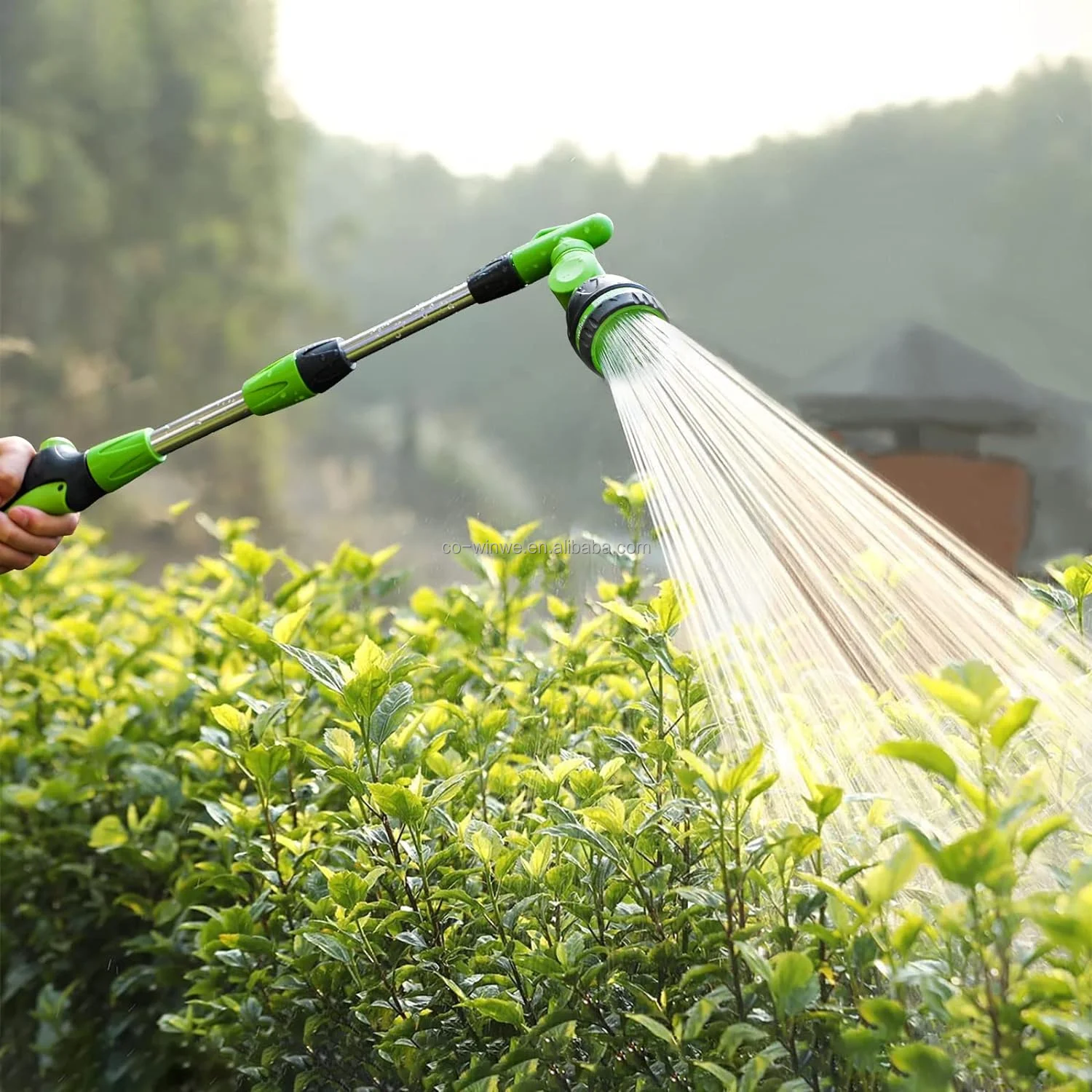
Source: alibaba.com
1. Start With Weight and Balance
Weight and balance are among the first things to check when choosing a comfortable garden watering wand. A wand may feel light on a store shelf but become tiring when you hold it away from your body to water plants at the back of a raised bed. The farther the spray head extends from your hand, the more leverage it can place on your wrist and forearm.
Look for a design that feels steady rather than nose-heavy. A balanced wand should let you guide the spray head with small movements instead of gripping tightly to keep it in place. If you water for long periods, even a modest reduction in weight can make the task feel easier.
Materials affect weight, durability, and cost. Aluminum bodies are often light, while stainless steel parts may offer strength and resistance to corrosion. Plastic components can keep a wand light, but their durability depends on the plastic type, wall thickness, joint design, and quality of construction.
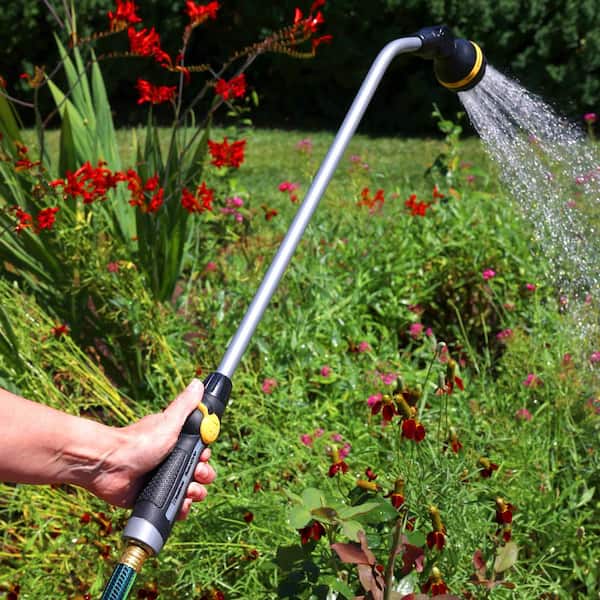
Source: fity.club
Lightweight construction
Choose a body that is easy to lift and guide. Do not judge comfort by weight alone, because a poorly balanced lightweight wand can still strain your wrist.
Balanced spray head
Check whether the head pulls your wrist downward when the wand points forward. A well-balanced model should remain easy to aim without constant correction.
Sturdy joints
Inspect the connection between the handle, tube, and spray head. Loose joints can make a wand wobble and may allow leaks to develop.
How to Judge Weight Before Buying
Hold the wand in your usual watering position, with your elbow slightly bent and your wrist as straight as you can keep it. Move the head slowly from side to side, then raise and lower it as you would when watering a bed. If your wrist twists or your shoulder lifts to support the tool, try a lighter or better-balanced model.
If you cannot test a wand in person, check the listed product weight and compare models of similar length. Keep in mind that a bare-tool weight may not include water in the tube, the hose connection, or any added accessories. Product specifications can narrow your choices, but they cannot fully predict how comfortable a wand will feel in your hand.
For long watering sessions
Favor a light, balanced wand with a comfortable trigger and a grip that does not force your wrist into an awkward angle.
For quick container watering
A slightly heavier wand may still work well if its head is easy to direct and you only use it for short periods.
2. Choose a Handle That Feels Natural
A comfortable handle should fit your hand, provide a secure grip, and let you operate the water control without squeezing too hard. Look for a shape that supports your fingers without pressing sharp edges into your palm. The surface should remain easy to hold when your hands are damp.
Some watering wands have foam or rubber-like grips, while others use molded plastic or textured metal. A padded handle can feel pleasant, but padding alone does not guarantee comfort. The handle's width, shape, surface texture, and balance matter just as much.
If you have small hands, a thick grip or long trigger may be difficult to operate. If you have large hands, a narrow handle may feel cramped. Whenever possible, hold the wand before buying it and check whether your fingers can wrap around the grip without strain.
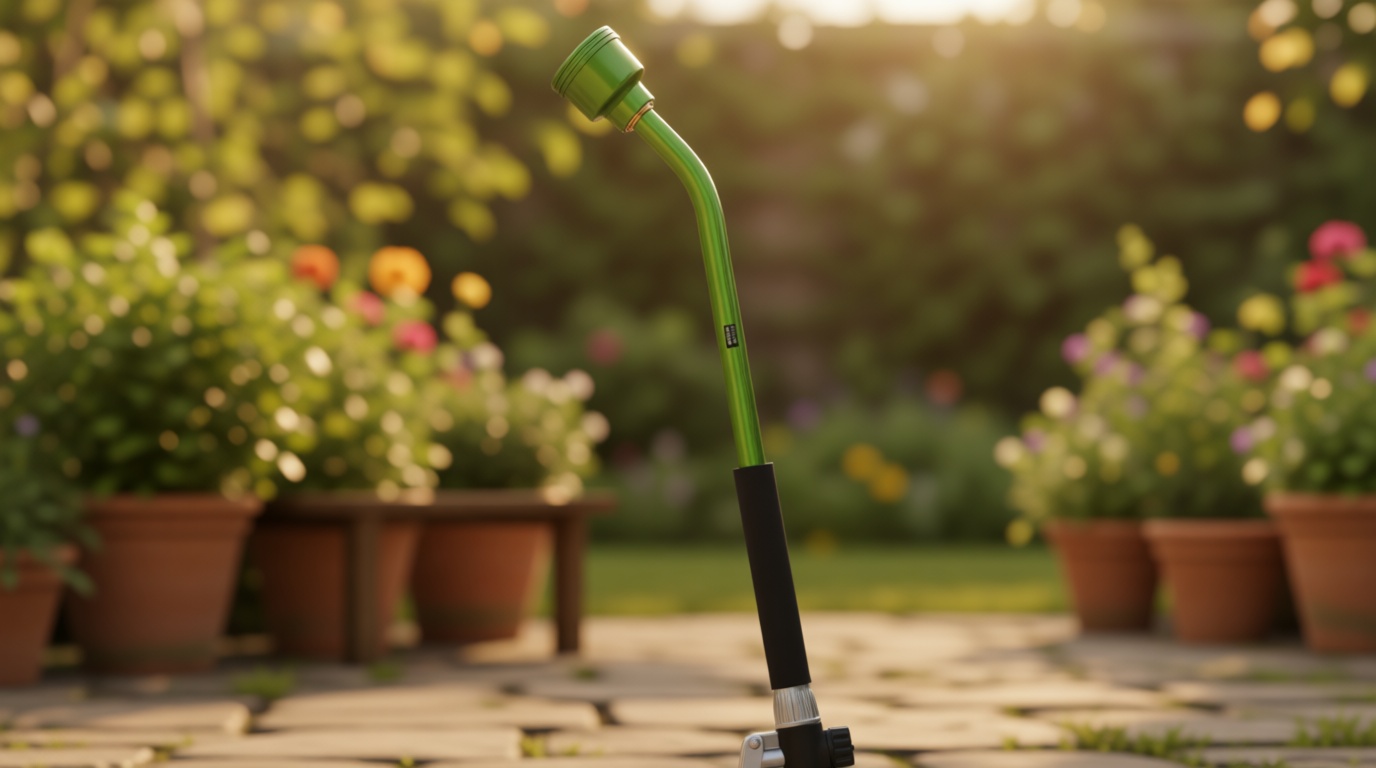
Source: burningforsuccess.com
Comfortable grip size
Choose a handle that lets you maintain a relaxed hold instead of clenching your fingers tightly around it.
Secure surface
Look for enough texture to prevent slipping, but avoid rough surfaces that rub against your palm during repeated use.
Easy trigger access
Make sure your fingers can reach the trigger naturally while the rest of your hand supports the wand.
Useful grip shape
A gently contoured handle may help you maintain a steady hold, but it should not force your wrist into one uncomfortable position.
Do You Need a Padded Handle?
Padding can reduce the feel of hard edges and make a handle more pleasant to hold. It may also offer a little insulation when the handle becomes hot or cold. However, padding can wear, tear, or hold dirt if the material and construction are not suited to outdoor use.
A firm, textured handle can be just as comfortable as a padded one if its shape fits your hand. Focus on grip security and relaxed finger movement rather than choosing a material based on appearance alone.
Best for frequent use
Choose a grip that feels secure for several minutes without creating pressure points or making your fingers work too hard.
Best for wet conditions
Favor a surface that remains easy to hold when wet and can be cleaned without special products.
3. Get the Right Wand Length for Your Garden
The right wand length lets you reach plants without bending deeply, stretching your shoulder, or stepping into muddy beds. A short wand may suit patio pots and small flower boxes, while a longer wand can help reach the center of a raised bed or the back of a dense border.
Longer is not always better. Extra reach can make the tool harder to balance, especially when you hold it horizontally for several minutes. The goal is to reach your plants with a relaxed arm and a manageable wrist angle, not to buy the longest wand available.
Adjustable-length models can be useful if you water a mix of ground-level beds and elevated containers. However, check how the adjustment locks in place and whether the extended wand feels stable. A loose extension can shift while you work and make accurate watering harder.
Source: amazon.com
Short wands
Often practical for patio pots, small planters, low flower beds, and gardeners who prefer a compact tool.
Medium-length wands
A versatile option for many home gardens, including raised beds, shrubs, and mixed flower borders.
Long wands
Useful for hanging baskets, deep beds, and plants behind a border, provided the extra reach does not create excessive wrist or shoulder strain.
Adjustable wands
Helpful when watering needs change, but inspect the locking mechanism and test the wand at its full extension.
Match Length to Common Garden Tasks
For a small container garden, a compact wand may be all you need. You can move it between pots without managing a long tube, and the spray head stays close to the target. For a raised vegetable bed, extra reach may help you water the middle rows while standing on the path.
For hanging baskets on an American porch, a longer wand can reduce the need to lift a heavy watering can above shoulder height. Aim the head toward the soil rather than spraying the foliage from below. If a basket is too high to reach while standing securely, use a stable step platform on firm ground or lower the basket before watering.
Raised beds
Choose enough length to reach the center of the bed without leaning heavily over the edge.
Hanging baskets
Look for a length and head angle that direct water into the pot while keeping your shoulders relaxed.
Shrubs and borders
Use a wand that can reach beneath foliage without forcing you to twist your wrist or push through thorny branches.
4. Look for Spray Patterns That Suit Your Plants
A comfortable watering wand should make it easy to deliver the right amount of water without washing away soil or bruising tender leaves. The spray pattern matters because different plants and growing conditions need different water delivery. A gentle shower often works well for seedlings and flowers, while a more concentrated flow can help direct water into the soil around established plants.
Many wands offer several spray settings, such as shower, mist, cone, flat, and stream. Names and functions vary by model, so inspect the spray head rather than assuming every wand uses the same pattern. More settings can add flexibility, but a simple head with two or three useful options may be easier to operate.
For most home gardens, a gentle shower and a steady, controlled flow are useful starting points. A fine mist can be suitable for some delicate tasks, but it may not deliver water to the root zone efficiently outdoors, especially in windy or hot conditions. A narrow jet can disturb soil or damage small plants when used too close.
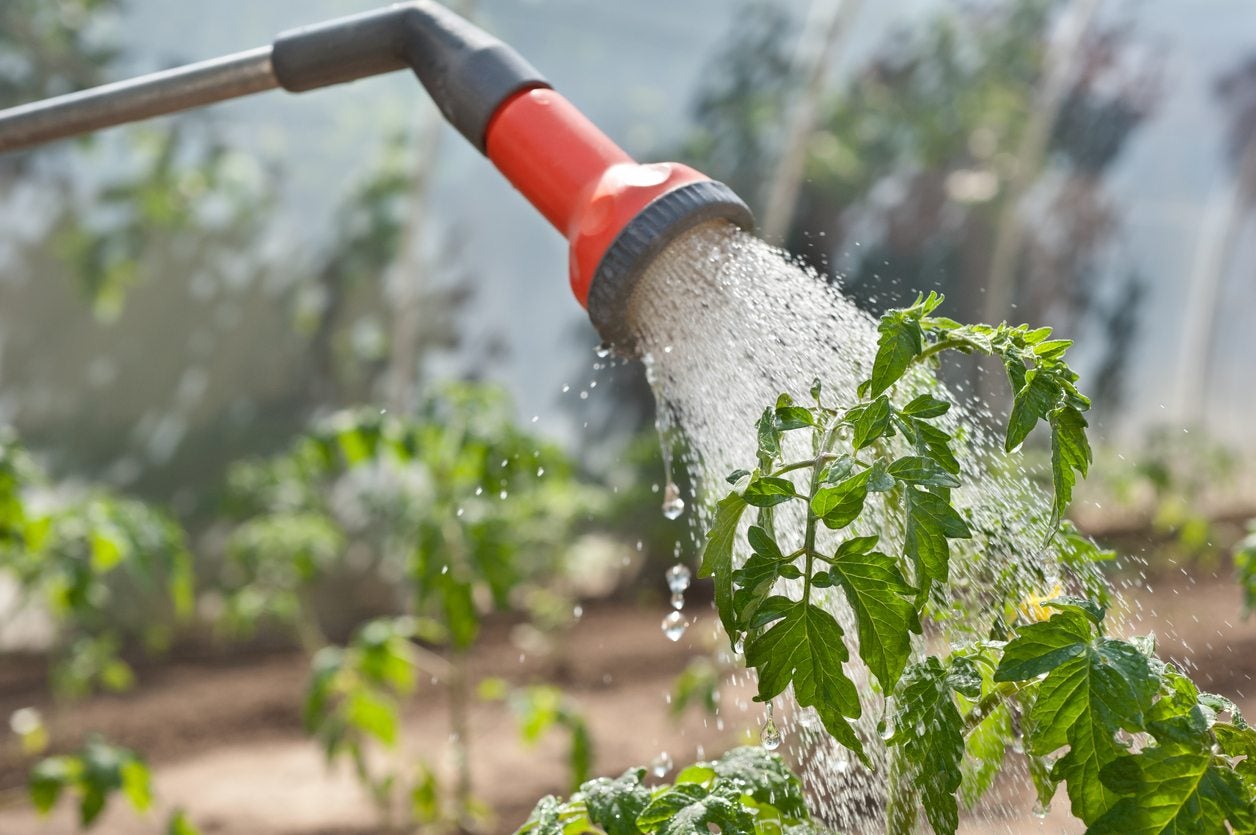
Source: fity.club
Shower
Spreads water across a wider area and is often useful for seedlings, flowers, and general garden watering when the flow is gentle.
Mist
Creates fine droplets for selected light-watering tasks, but can lose water to wind or evaporation and may leave deeper soil dry.
Stream
Directs water into a smaller area. Use a controlled flow around established plants rather than blasting soil or tender stems.
Cone or flat spray
Can help cover a particular area or reach plants from a different angle, depending on the design of the spray head.
Why Gentle Watering Matters
A forceful spray can scatter potting mix, expose roots, flatten young seedlings, and leave uneven patches of soil. A soft shower helps spread water across the surface while reducing the chance of disturbing the plant. Directing the spray at the soil also helps keep foliage drier when wet leaves are not needed.
In a vegetable garden, aim water around the root zone of tomatoes, peppers, beans, and other crops rather than soaking the entire plant each time. For newly sown seeds, use a gentle flow that keeps the seedbed moist without forming puddles or moving the seeds out of place. Adjust the pattern as the plants grow and their roots become established.
Seedlings and new sowings
Use a gentle shower or another low-force setting, and watch for soil movement or exposed seeds.
Established vegetables
Choose a pattern that directs water toward the base of each plant and allows the soil to absorb it.
Containers
Use a controlled spray that wets the potting mix evenly without spilling large amounts over the rim.
5. Check the Trigger, Valve, and Flow Control
A watering wand can have a comfortable handle and still feel tiring if the trigger takes too much force to squeeze. The trigger should move smoothly and allow you to start and stop the water without gripping harder than necessary. If you plan to water for long periods, this feature deserves as much attention as the wand's weight.
Some models use a rear trigger, while others have a front trigger, thumb lever, or separate shutoff valve. The best arrangement depends on your hand size, grip style, and preferred watering position. Try to operate the control with your fingers in a natural position instead of reaching around the handle.
A flow-control valve can help reduce water output for small pots and increase it for larger beds. This can make watering more precise, but the control should be easy to adjust without interrupting your grip. A trigger lock may reduce the need to hold a lever continuously, though it should be simple to release when you need to stop the flow.
Source: storage.googleapis.com
Low trigger effort
Choose a mechanism that opens smoothly and does not require a hard, sustained squeeze.
Accessible controls
Check that you can adjust flow and stop water without shifting your entire hand around the grip.
Useful shutoff
A built-in valve can help limit dripping or stop the flow at the wand, but it does not replace closing the hose tap when you finish.
Optional trigger lock
A lock can help during longer sessions if it is easy to engage and release and does not prevent quick shutoff.
How to Test the Water Control
With the hose connected and the water turned on at a moderate level, squeeze the trigger several times. Check whether it starts and stops cleanly, whether the flow changes smoothly, and whether your fingers begin to tire. Watch for water leaking around the handle, trigger, or head connection.
Do not force a stiff trigger or try to dismantle a pressurized wand. Turn off the water and release pressure before inspecting connections or cleaning the tool. If the control remains difficult to operate, leaks from the body, or fails to shut off, follow the manufacturer's instructions or replace the faulty part.
Good sign
The trigger responds predictably, and you can adjust the flow without a painful grip or sudden bursts of water.
Warning sign
The trigger sticks, needs excessive force, or causes water to leak from the handle or valve assembly.
6. Inspect the Spray Head Angle and Swivel
The angle of the spray head affects how easily you can reach the soil beneath leaves and along the back edge of a bed. A bent or angled head can let you keep the wand body in a comfortable position while directing water downward. This may reduce the need to bend your wrist sharply when watering dense plants or elevated containers.
Some models have a fixed head, while others include an adjustable head or a swivel connection. A swivel may help the hose or wand move with less twisting, depending on its design. Check that the joint feels secure and stays in position during use.
An adjustable head is useful only if it remains easy to move and does not leak. Extra joints can create additional points that may loosen or wear over time. If your garden layout is simple, a fixed head with a useful angle may be more practical than a model with many moving parts.
Source: amazon.ca
Angled head
Can help direct water beneath foliage or into containers while keeping the handle at a natural angle.
Adjustable head
Offers flexibility for different watering tasks, provided the joint locks securely and moves without excessive force.
Swivel connection
May reduce twisting as you change direction, but check for leaks and ensure the joint does not loosen during use.
Fixed or Adjustable: Which Is Better?
A fixed head is often a sensible choice if you mostly water ground-level beds and pots. It has fewer moving parts and may be simpler to maintain. The key is to find an angle that suits your usual reach and watering position.
An adjustable head can be more useful when you alternate between tall hanging baskets, low containers, and dense shrubs. Test the adjustment while holding the wand as you would in the garden. If changing the angle requires two hands or makes the wand unstable, the extra feature may not improve comfort.
Choose fixed for simplicity
A good option for gardeners who use a similar watering angle every day.
Choose adjustable for variety
Useful when plant height and access vary, as long as the head remains secure and easy to position.
7. Check Hose Compatibility and Leak Resistance
Before choosing a watering wand, make sure its inlet matches the garden hose you already use. Many US garden hoses use standard garden-hose connections, but the fitting, included adapter, washer, or quick-connect system can vary. Check the manufacturer's specifications instead of assuming that every wand will connect directly to every hose.
A proper seal prevents water from spraying around the connection and soaking your hand. Inspect the threaded inlet, gasket, and any supplied adapter. A missing or damaged washer can cause a leak even when the threads appear to fit correctly.
A swivel fitting or quick connector can make attachment easier, especially if you frequently change hose accessories. However, a connection that is convenient to use still needs a secure seal. Choose parts that are easy to inspect and replace if they wear out.
Source: ddcountermeasures.com
Correct inlet fitting
Confirm that the wand matches your hose connection or includes a suitable adapter.
Replaceable washer
A serviceable gasket can make it easier to fix a small connection leak without replacing the entire wand.
Secure connection
The hose should attach firmly without cross-threading, wobbling, or leaking during normal operation.
Practical connector
Quick-connect fittings may save time when switching tools, but they should lock securely and remain compatible with your hose system.
What to Do if the Wand Leaks
First, turn off the hose tap and release the remaining pressure. Check the connection for a missing, flattened, or damaged washer, then inspect the threads for dirt or cross-threading. Clean the fitting and reinstall the parts according to the manufacturer's directions.
If water leaks from the trigger housing, tube seam, or spray head body, the problem may involve a damaged seal or cracked component. Replace a serviceable part when the manufacturer supports that repair. Do not use a cracked wand or try to seal a damaged pressure-bearing component with an improvised repair.
Leak at the hose joint
Inspect the washer, fitting alignment, and connection compatibility before replacing the wand.
Leak inside the handle
Check the product instructions for approved repairs. Replace the wand if the body is cracked or the valve cannot be repaired safely.
8. Compare Materials, Durability, and Maintenance
A watering wand should tolerate regular exposure to water, soil, sunlight, and outdoor temperature changes. Material labels can help you narrow the options, but the design of the joints, valve, and spray head also affects service life. A metal tube will not make a wand durable if its trigger assembly or connector fails early.
Aluminum is often used when low weight matters, while stainless steel can offer good corrosion resistance. Plastic bodies and heads may be lighter and less expensive, but their resistance to impact, heat, and ultraviolet exposure depends on the specific material. Metal parts can also corrode if their coatings are damaged or if dissimilar materials are poorly joined.
Maintenance should be simple enough that you will actually do it. A spray face that can be cleaned, a washer that can be replaced, and a connection that is easy to inspect are useful features. If the manufacturer does not offer replacement parts, a minor failure may force you to replace the whole wand.
Source: vasilisgarden.com
Metal tube
Can provide a rigid body, but check the finish, joint construction, and overall weight.
Plastic components
Can reduce weight and cost. Inspect the trigger, head, and threaded areas for sturdy construction and clear maintenance guidance.
Corrosion resistance
Look for materials and finishes suited to outdoor water exposure, and rinse off soil or fertilizer residue when needed.
Repairable design
Replaceable washers, seals, or spray heads may extend useful life if compatible parts remain available.
How to Keep a Watering Wand in Good Shape
After use, shut off the water at the tap, release pressure, and drain the wand before storing it. Wipe away mud and plant residue, especially around the trigger and spray face. If the spray holes become clogged, clean them using the method recommended by the manufacturer rather than pushing sharp objects into delicate openings.
In regions with freezing winters, such as parts of the Midwest and Northeast, store the wand in a protected place after draining it. Water left inside a valve or head can freeze and damage internal parts. In hot climates, avoid leaving the tool in intense sun for long periods when a shaded storage spot is available.
Clean the spray head
Remove visible dirt and mineral deposits using the manufacturer's recommended cleaning method.
Drain after watering
Empty trapped water before storage, particularly when freezing temperatures are possible.
Inspect moving parts
Check the trigger, adjustment joints, and hose fitting for looseness, wear, or leaks.
Store with care
Keep the wand in a dry, protected location and avoid placing heavy tools on its spray head or handle.
9. Use Your Garden Type to Guide the Choice
The most comfortable watering wand depends on what you grow and where you grow it. A gardener with a few patio pots may value a compact design, while someone caring for a long raised bed may need more reach. Matching the wand to the work helps avoid paying for features you rarely use.
Consider your climate and watering routine as well. A hot Southern summer may call for frequent, targeted watering of containers, while a cool coastal garden may need less frequent watering depending on rainfall and soil. The wand should support good watering habits, not encourage you to water on a fixed schedule regardless of soil moisture.
Use the following comparison to identify which features matter most for your setup. These are practical selection guidelines rather than a ranking of specific products. Your hand size, reach, and preferred watering position should still guide the final choice.
Vegetable beds
Prioritize a manageable length, gentle shower setting, and flow control that helps water soil around plant roots.
Patio containers
Choose a lightweight wand with a comfortable grip and a spray head that fits between pots without knocking them over.
Hanging baskets
Look for sufficient reach, a useful head angle, and a trigger that remains easy to operate with your arm extended.
Shrubs and flower borders
Favor a wand that reaches beneath foliage and can direct water toward the base without sharp wrist movements.
A Practical Feature Comparison
Use this table to narrow your choices before comparing prices. It focuses on the features that affect comfort and usefulness in common home garden settings. A model does not need every feature to work well; it needs the right combination for your plants and watering habits.
Small balcony or porch garden
Choose a compact, light wand with a secure grip, gentle shower, and simple water control.
Raised vegetable garden
Choose a medium or longer wand with a balanced body, easy trigger, and flow control.
Tall hanging baskets
Choose a longer wand with a suitable head angle and enough balance to reach overhead containers without awkward bending.
Large mixed garden
Consider a versatile wand with several useful spray patterns, a comfortable grip, and durable, serviceable fittings.
10. Common Buying Mistakes to Avoid
One common mistake is choosing a wand based on the number of spray patterns alone. Many settings sound useful, but a simple shower and a controllable stream may cover most everyday tasks. A wand with many settings is only helpful if you can select them easily and each one serves a real purpose in your garden.
Another mistake is assuming that a long wand will always be more comfortable. Extra reach can reduce bending, but it can also increase leverage on your wrist and shoulder. Compare the reach you need with the weight and balance you can manage.
Do not overlook the trigger or hose fitting when comparing products. A comfortable grip cannot compensate for a stiff trigger, and a good spray head will not be pleasant to use if the connection leaks. Consider how easy the wand is to maintain, since clogged spray holes and worn washers can affect performance over time.
Source: fity.club
Buying the longest model
Measure your reach needs and consider the extra leverage before choosing an extended wand.
Ignoring trigger effort
Test the control if possible, especially if you expect to water for long periods.
Choosing by material alone
A metal body does not guarantee that the valve, joints, or spray head will last longer.
Overlooking spare parts
Check whether washers, connectors, or replacement heads are available for the model you are considering.
Using a forceful spray on seedlings
Select a gentle pattern to avoid moving seeds, flattening young plants, or washing potting mix away.
Leaving the wand under pressure
Shut off the tap and release pressure before storage, inspection, or maintenance.
A Simple Comfort Test Before Purchase
If you can handle the wand before buying it, perform a short test. Hold it at waist height, point the head toward an imaginary pot, and move it as if watering the far side of a raised bed. Check whether your wrist stays comfortable and whether the grip slips or presses into your palm.
Next, operate the trigger several times and try to reach a higher target without lifting your shoulder excessively. If water is available, test the spray at a moderate flow and watch how easily you can direct it. The best result is steady control with minimal effort, not maximum reach or the highest possible water output.
Check your wrist
Your wrist should remain close to a natural position instead of bending sharply to aim the head.
Check your grip
You should be able to hold the wand securely without squeezing as hard as you can.
Check your reach
The head should reach the intended area without forcing you to lean or stretch too far.
Check water control
You should be able to start, adjust, and stop the flow without sudden movement or excessive force.
11. Comfort, Water Use, and Safe Watering Habits
A comfortable wand should make it easier to water accurately, but it does not automatically reduce water use. The amount of water your garden needs depends on plant type, root depth, soil, weather, container size, and recent rainfall. A wand with flow control can help you avoid unnecessary runoff when you use it with care.
Water the root zone when practical and allow the soil to absorb the water before adding more. If water begins running off a slope or spilling from a container, pause and let it soak in. For dry, compacted soil, several gentle passes may work better than one heavy stream.
Watering early in the day is often practical because it gives foliage time to dry and reduces the chance that water will evaporate quickly in strong afternoon heat. Local weather and plant needs still matter. Check soil moisture before watering, particularly after rain, so you do not keep wet soil saturated.
Use the wand from a stable position and avoid stretching from ladders or leaning far over raised beds. Water and hoses can make walkways slippery, so move the hose out of the path when possible. Keep the wand and hose away from electrical equipment, and follow the manufacturer's instructions for operating and storing the tool.
Water at the root zone
Direct water toward the soil around the plant rather than spraying every leaf without a reason.
Avoid runoff
Reduce the flow or pause when water starts running away before the soil can absorb it.
Check moisture first
Use soil feel, plant needs, and recent rainfall to decide whether watering is necessary.
Maintain a stable stance
Do not overreach to water high or distant plants. Move to a safer position or lower the container first.
What If Watering Still Causes Discomfort?
If your hand, wrist, elbow, or shoulder feels strained, stop and put the wand down. Check whether the tool is too heavy, too long, or poorly balanced, and whether you are squeezing the trigger too hard. Shorter sessions and a more natural watering position may help reduce the load.
A different handle shape, a shorter wand, or a lighter model may fit your needs better. If discomfort persists, recurs during ordinary tasks, or comes with numbness, weakness, or significant pain, seek advice from a qualified health professional. Do not rely on an ergonomic garden tool to diagnose or treat an injury.
Reduce the load
Try shorter watering sessions and avoid holding the wand far from your body for long periods.
Change the tool
Consider a lighter model, a different grip, or a wand with an easier trigger if the current one feels awkward.
Get help when needed
Stop using a tool that causes recurring pain and seek qualified advice if symptoms continue or worsen.
12. How to Make the Final Choice
The best way to choose a comfortable watering wand is to rank your needs before comparing models. Start with the tasks you perform most often, then narrow your choices by reach, weight, grip, spray pattern, and water control. Check compatibility and repair options after identifying the designs that feel right.
You do not need every available feature. A gardener with a few pots may be happiest with a light, compact wand and a gentle shower setting. Someone who waters raised beds and hanging baskets may benefit from extra reach, an angled head, and a trigger that remains easy to use.
Use product specifications to compare measurable details, but treat claims about comfort as something to verify when possible. A stated length, weight, or connection type can be checked directly, while the best grip and balance depend on the person using the tool. If buying online, review the dimensions, return policy, and availability of replacement parts before placing an order.
First priority
Choose a weight and length that let you reach plants without excessive bending, stretching, or wrist strain.
Second priority
Find a handle and trigger that feel secure and require little effort to operate.
Third priority
Select useful spray settings and flow control for your plants and soil.
Before you buy, picture the hardest part of your usual watering routine. It might be reaching the middle of a raised bed, directing water into a tall basket, or watering several dozen containers without tiring your hand. Choose features that solve that specific problem first.
Reach
The wand can reach your plants while you maintain a stable stance.
Comfort
The handle fits your hand, and the weight and balance feel manageable.
Control
The trigger, valve, and spray settings are easy to operate.
Compatibility
The hose connection and any required adapters match your setup.
Maintenance
The spray head can be cleaned, and common wear parts can be inspected or replaced.
Frequently Asked Questions
Q
What makes a garden watering wand comfortable to use?
A comfortable watering wand combines a manageable weight, balanced body, secure grip, easy trigger, and enough reach for your plants. The spray head should be simple to aim without forcing your wrist into an awkward angle. Choose features that suit your hand size and the length of your watering sessions.
Q
Is a longer watering wand always better?
No. A longer wand can help you reach hanging baskets, deep beds, and plants behind shrubs, but extra length can make the tool harder to balance. Choose enough reach to water safely without leaning, then check that you can still control the wand with a relaxed grip.
Q
How many spray patterns do I need?
Many home gardeners can manage most tasks with a gentle shower and a controlled stream. Additional settings may help with specific plants or cleaning jobs, but more patterns do not automatically make a wand more useful. Focus on settings you will actually use and that are easy to select.
Q
Are metal watering wands better than plastic ones?
Neither material is automatically better in every situation. Metal bodies can offer rigidity, while plastic parts can reduce weight and cost. Durability also depends on the valve, joints, spray head, finish, and quality of construction, so inspect the whole wand rather than judging it by one material.
Q
Can I use a watering wand for seedlings?
Yes, if the wand has a gentle spray setting that does not wash away soil or move seeds. Keep the spray close enough to direct water accurately without striking the seedlings with excessive force. Check the soil as you water and pause if water begins to pool or run off.
Q
Why does my watering wand lose pressure?
Possible causes include a partly closed hose tap, a kinked hose, a clogged spray head, a leaking connection, or a flow-control valve that is not fully open. Turn off the water before checking the fittings or cleaning the head. If the problem remains, consult the manufacturer's instructions to determine whether the valve or another part needs service.
Q
How do I stop my watering wand from dripping?
First, shut off the water supply and release pressure. Check the hose washer and connection for damage, then inspect the trigger valve and spray head according to the manufacturer's instructions. A small amount of residual water may drain from the head after use, but ongoing leakage from a shutoff valve may indicate a worn seal or damaged part.
✦ Wrapping Up
Conclusion
Choosing a comfortable garden watering wand starts with how it feels in your hand and how well it reaches your plants. A light, balanced body, secure grip, easy trigger, and useful spray pattern can make everyday watering more manageable. The right length and head angle can also reduce the need to bend, stretch, or twist while caring for raised beds, shrubs, and containers.
Look beyond the number of settings and the material listed on the package. Check the hose fitting, leak resistance, moving parts, cleaning needs, and availability of replacement components. If you can test the wand with water, use that opportunity to check grip comfort, trigger effort, balance, and spray control before making a decision.
The most suitable wand is the one that meets your garden's needs without adding strain or unnecessary complexity. You do not need the most expensive model or the most features. You need a tool that lets you direct water accurately, maintain a natural position, and complete routine watering with steady control.
💡 Key Takeaway
Before buying, list the plants you water most often, estimate the reach you need, and compare at least three wands for weight, handle comfort, trigger effort, spray settings, hose compatibility, and repair options. If possible, test the wand with water and choose the model that feels easiest to control.





No comments:
Post a Comment